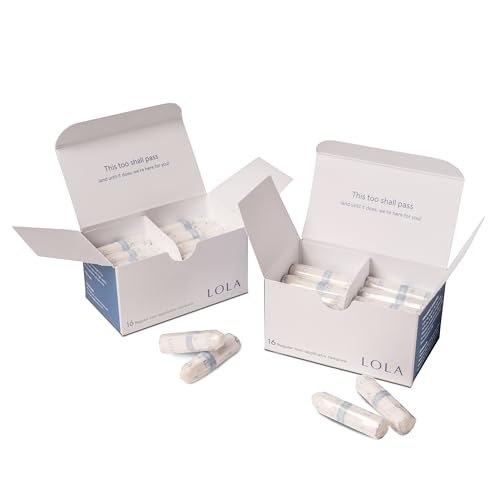
Lola 100% Organic Cotton Tampons Compact Plastic Applicator
Lower concern; organic cotton core presents minimal PFAS risk, but plastic applicator material unspecified.
Lola markets organic cotton tampons without disclosed PFAS treatment or applicator material specifics. The plastic applicator type and composition remain undisclosed by the brand.
We flunk more products than we pass. This one earned its grade. How we grade
Material
organic cotton core, plastic applicator
Brand disclosure
Brand is silent on PFAS
Lab data
No public lab test
You may also be interested in
Top-graded picks in the categories readers replace first, every one scored on the same rubric.

- polypropylene filter housing, carbon/sediment cartridge
- We found no PFAS statement from the brand
- Bacterial growth in spent cartridges
3 hazards checked on this product, all on its full breakdown.

Aquasure
Premier Series 75 GPD Under Sink Reverse Osmosis Water Filtration System
- RO membrane, carbon filters, stainless steel housing
- We found no PFAS statement from the brand
- Bacterial and microbial growth in housing and filters
4 hazards checked on this product, all on its full breakdown.

Avocado
Vegan Mattress
- organic cotton, natural latex, coconut coir, recycled steel coils
- The brand calls it PFAS-free, which we have not verified
- Heavy metals
2 hazards checked on this product, all on its full breakdown.
What Lola 100% Organic Cotton Applicator is made of, ingredients and materials
The core is certified organic cotton, which eliminates synthetic pesticide residues from conventional cotton production. The plastic applicator material is not specified in public product documentation, though applicators are typically polypropylene (PP) or polyethylene (PE), both inert thermoplastics with low leaching risk in brief vaginal contact. The compact design suggests a thin-wall plastic tube, which is unlikely to degrade or shed microplastics during normal single-use application. Cotton fibers themselves carry no known endocrine disruptors or heavy metal contamination when grown organically.
What’s concerning
Category baseline
The starting point for this type of product, before anything specific to this product is counted.
No PFAS disclosure
No public statement from the brand about PFAS in this product.
Plastic applicator polymer identity and leachate risk
The applicator plastic type is not disclosed; if polypropylene or polyethylene, leachate risk is negligible in brief vaginal contact, but no public material specification or migration testing is on record for this product.
Bleach and processing chemicals in cotton fibers
Lola does not publicly specify whether the cotton undergoes chlorine bleach, hydrogen peroxide, or other whitening processes; organic certification applies to growing but not always to post-harvest processing transparency.
What’s reassuring
Base material not linked to PFAS
The main material recorded for this product is not one associated with PFAS.
Pesticide residue
Organic certification mitigates this hazard by design; no synthetic pesticides are applied to certified organic cotton, eliminating a concern present in conventional tampon cores.
Source, EPA ↗Microplastic shedding from applicator
Single-use rigid plastic applicators do not degrade during normal application; no reports of microplastic release from Lola or similar compact plastic applicators in available literature.
Allergen or irritant in adhesives or dyes
No documented allergic reactions or irritation complaints specific to Lola tampons are on record; organic cotton itself does not require synthetic dyes, reducing dye-related irritant risk.
How is this PFAS grade calculated?
The brand's record and disclosure
Lola markets organic cotton and does not publicly disclose applicator polymer type, sourcing, or independent third-party testing. The brand has not published responses to PFAS questions in available sources and has not faced documented recalls or safety controversies related to this product line. Organic cotton certification is typically verified by third parties such as GOTS (Global Organic Textile Standard), which applies to the cotton but not necessarily to applicator plastic or manufacturing conditions.
How it compares in its category
Most mainstream tampons use conventional cotton with pesticide residues; Lola's organic cotton addresses that gap. Plastic applicators are standard across the market, including premium brands, and carry similar unspecified polymer risk. Cardboard applicators from competing brands (e.g., Seventh Generation, Cora) sidestep plastic leachate concerns but introduce cardboard dust and are less compact. Lola's compact design is convenience-focused rather than a safety differentiator.
If you buy it
Store in a dry place; no heating or special care is needed for single-use tampons. Insert and remove according to package directions; do not reuse applicators. The organic cotton core poses no known heat sensitivity or degradation risk. Discard according to local guidelines (not flushable in most systems). Monitor for any unusual irritation and discontinue if sensitivity occurs, though allergic reactions to organic cotton or polypropylene/polyethylene are rare.
What is not known about PFAS in this product?
- Basis
- Model estimate, 72% confidence, not a lab result
- Lab test
- None on record for this exact product
- Brand statement
- Lola has made none
Formulations change between production runs, so check the current label. How we grade.
What are the PFAS-free alternatives to Lola 100% Organic Cotton Tampons Compact Plastic Applicator?
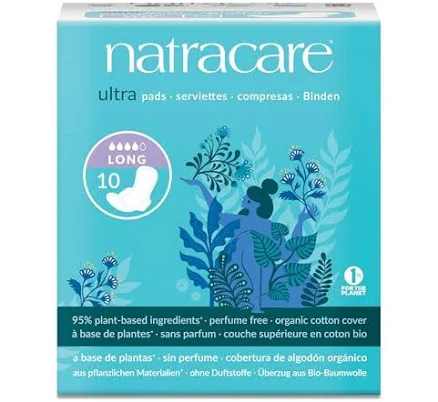
- A third party reports verifying it as PFAS-free
- Fragrance allergens (if scented variant)
2 hazards checked on this product, all on its full breakdown.
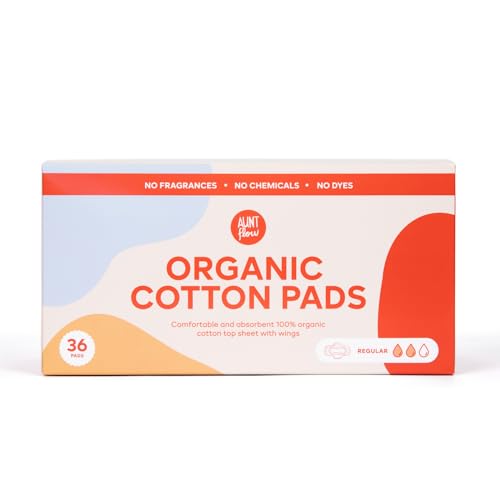
- organic cotton with natural fibers
- The brand calls it PFAS-free, which we have not verified
- Microplastics
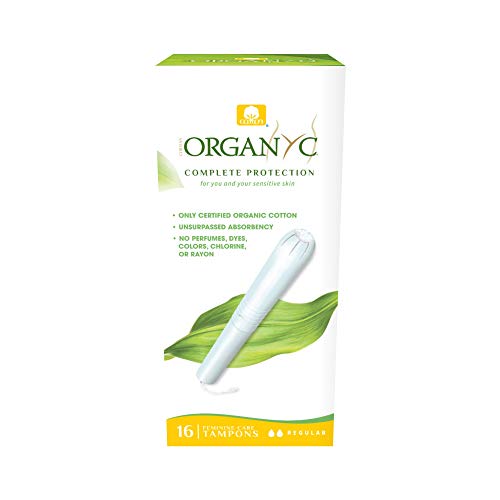
Organyc
100% Certified Organic Cotton Tampons Cardboard Applicator
- 100% organic cotton with cardboard applicator
- We found no PFAS statement from the brand
- Cardboard applicator structural integrity over time
More period care grades
 100Seventh Generation Maxi Pads - Overnight
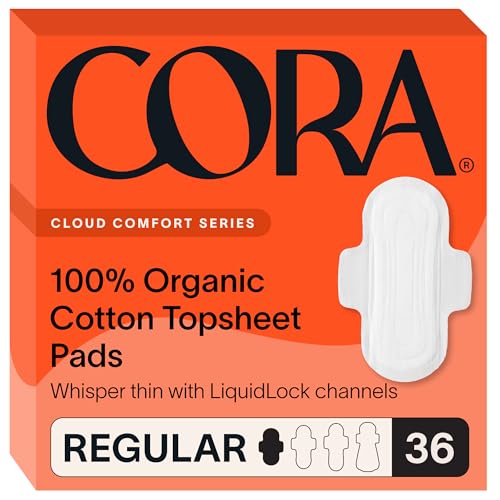 70Cora Organic Cotton Pads
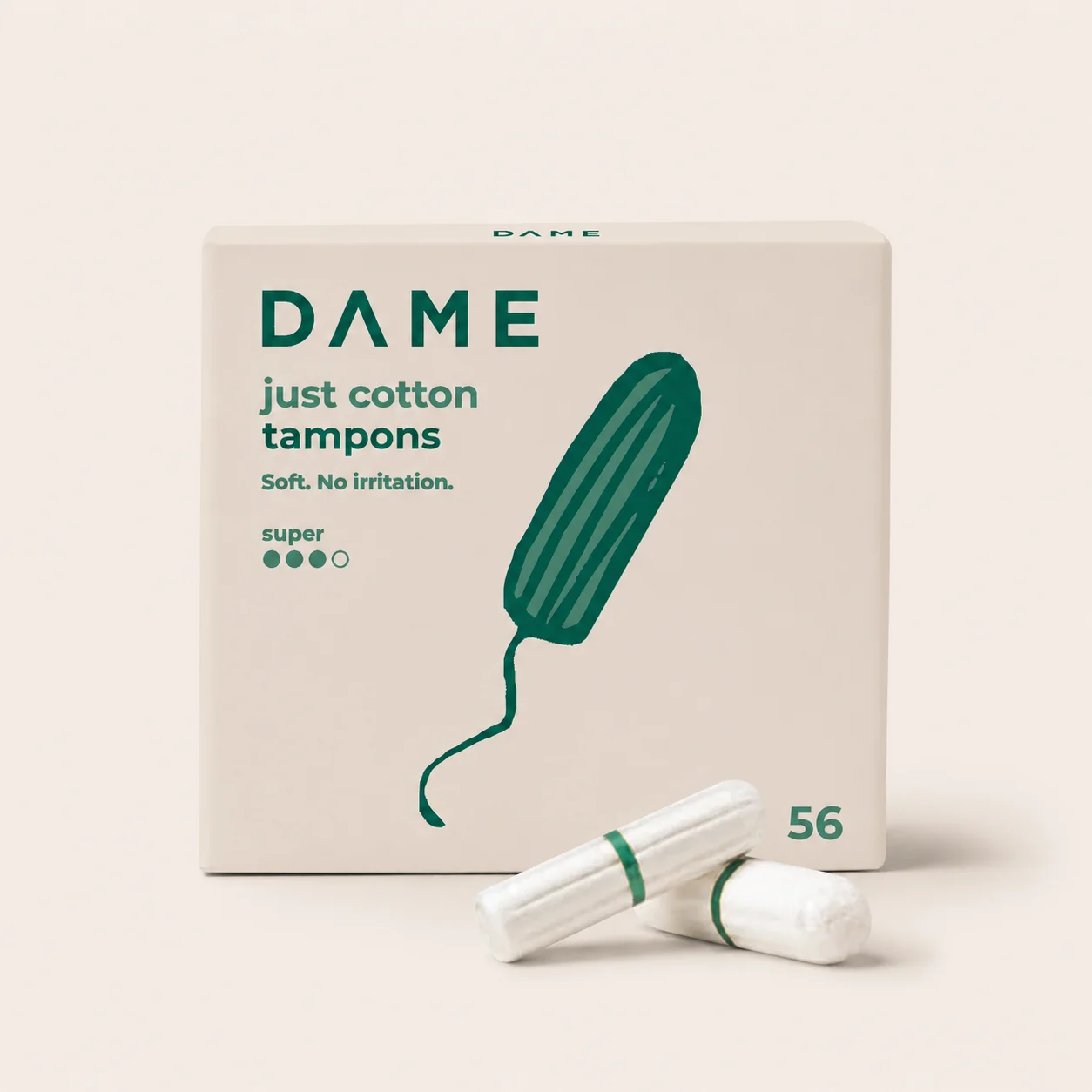 70Dame Organic Cotton Tampons
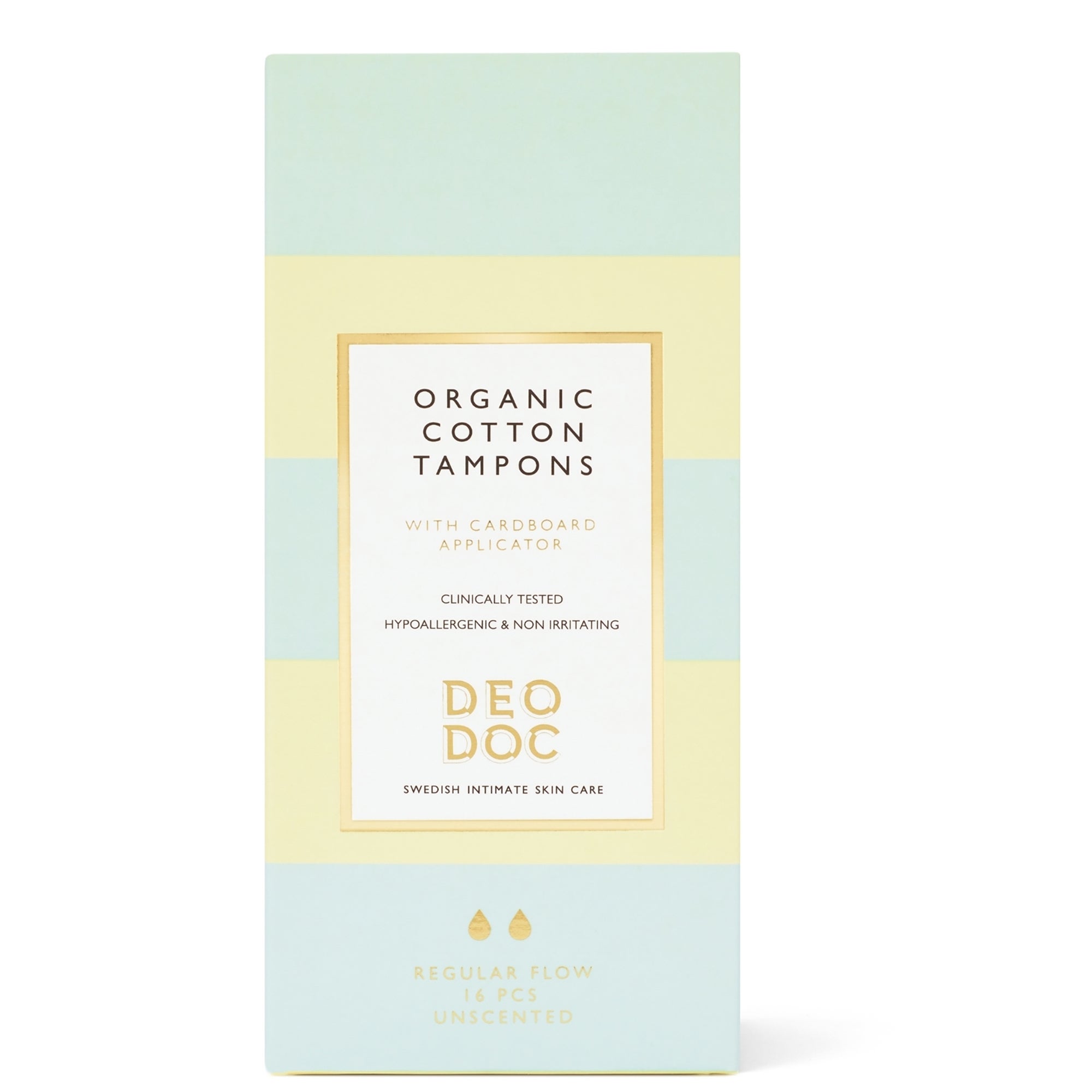 70DeoDoc Cotton Tampons
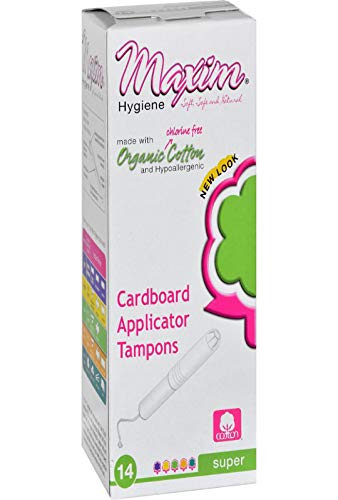 70Maxim Hygiene Organic Cotton Cardboard Applicator Tampons
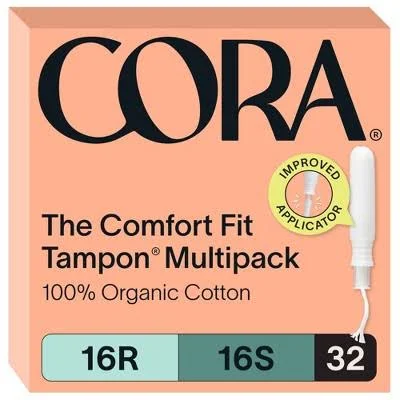 70Cora Organic Tampons
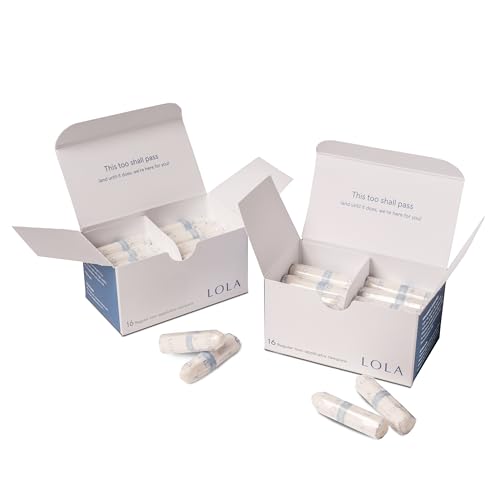 70Lola 100% Organic Cotton Tampons Applicator Free
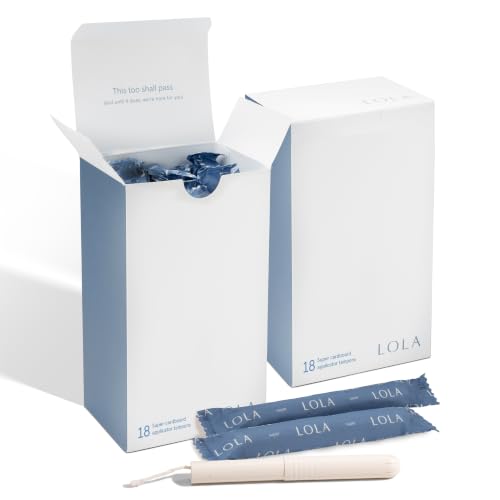 70Lola 100% Organic Cotton Tampons Cardboard Applicator
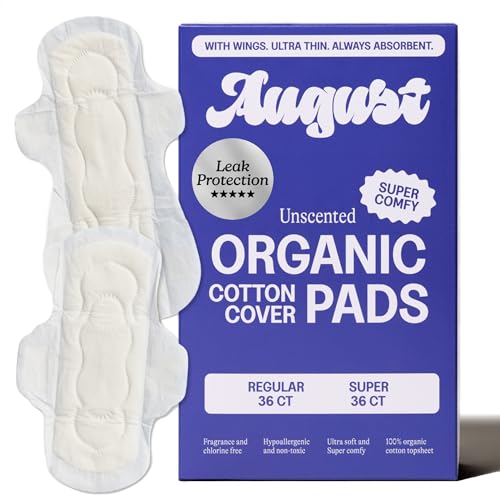 70August Organic Cotton Top Layer Pads, 36-Pack Regular
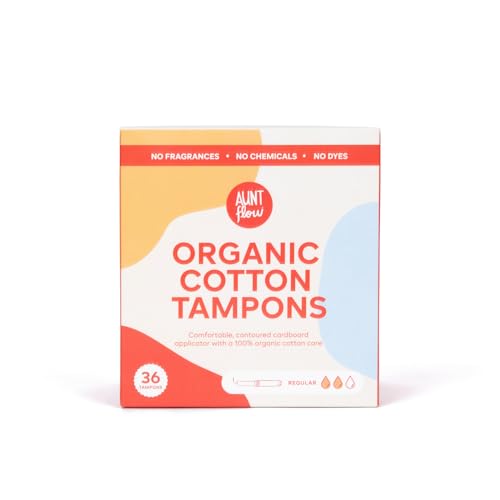 70Aunt Flow Organic Cotton Cardboard Applicator TamponsCompare vs Natracare →All period care →
How we score, every product runs through the same public 0-100 rubric based on materials, coatings, brand disclosure, lab findings, and recalls. See the full methodology → Spotted a mistake? Report an error.