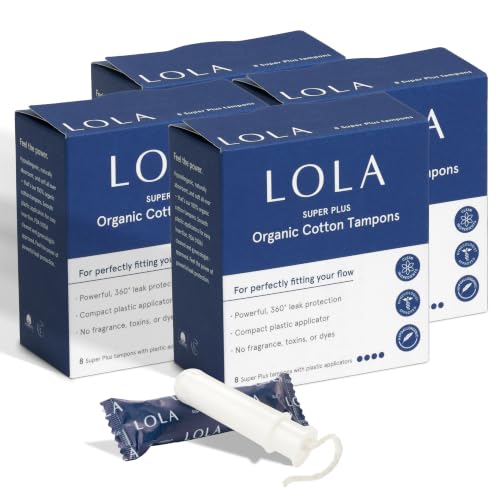
LOLA Super Tampons
Lower concern; tampons lack common PFAS routes, but brand offers no transparency.
LOLA tampons use rayon and cotton with no disclosed coatings or treatments. No public PFAS claims or third-party verification available; typical tampon materials pose lower PFAS risk than waterproofed or coated products.
We flunk more products than we pass. This one earned its grade. How we grade
Material
rayon/viscose, cotton
Brand disclosure
Brand is silent on PFAS
Lab data
No public lab test
You may also be interested in
Top-graded picks in the categories readers replace first, every one scored on the same rubric.

- polypropylene filter housing, carbon/sediment cartridge
- We found no PFAS statement from the brand
- Bacterial growth in spent cartridges
3 hazards checked on this product, all on its full breakdown.

Aquasure
Premier Series 75 GPD Under Sink Reverse Osmosis Water Filtration System
- RO membrane, carbon filters, stainless steel housing
- We found no PFAS statement from the brand
- Bacterial and microbial growth in housing and filters
4 hazards checked on this product, all on its full breakdown.

Avocado
Vegan Mattress
- organic cotton, natural latex, coconut coir, recycled steel coils
- The brand calls it PFAS-free, which we have not verified
- Heavy metals
2 hazards checked on this product, all on its full breakdown.
What LOLA Super Tampons is made of, ingredients and materials
LOLA Super Tampons are made from rayon (viscose) and cotton. Rayon is a cellulose fiber produced by chemical processing of wood pulp; the viscose process uses sodium hydroxide and carbon disulfide, but finished rayon itself does not retain these solvents at hazardous levels in the final product. Cotton is a natural fiber. Together, this blend is absorbent and biodegradable. Neither material is known to leach heavy metals or endocrine-disrupting plasticizers into vaginal tissue during normal use.
What’s concerning
Category baseline
The starting point for this type of product, before anything specific to this product is counted.
No PFAS disclosure
No public statement from the brand about PFAS in this product.
Dioxins and furans from rayon bleaching
Rayon production can involve chlorine bleaching of wood pulp, which may generate trace dioxins. Regulatory standards in the US and EU limit these residues in finished textiles, but no specific testing data for LOLA tampons is publicly available to confirm compliance levels.
What’s reassuring
Base material not linked to PFAS
The main material recorded for this product is not one associated with PFAS.
Pesticide residue
Cotton used in tampons may be conventional (treated with synthetic pesticides during cultivation) or organic. LOLA does not specify sourcing or certification; no contamination reports specific to this brand are on record, but testing transparency would strengthen assurance.
Source, EPA ↗Formaldehyde / VOCs
Period-care textiles are sometimes treated with formaldehyde resins for softness or antimicrobial properties. LOLA's ingredient list does not indicate such treatment, and no off-gassing or contact dermatitis complaints are established for this brand, but full process documentation is not public.
Source, ATSDR ↗Allergens from fragrance or additives
LOLA Super Tampons are unscented and additive-free according to brand marketing. Unscented, unbleached variants carry lower allergenic risk than fragrance-containing or heavily dyed alternatives, though individual sensitivities can still occur.
Bacterial contamination or colonization during storage
Tampons are sealed in individual applicators or wrappers at manufacture. No outbreak or contamination event involving LOLA has been recorded. Proper storage (dry, room temperature) prevents moisture and mold growth before use.
How is this PFAS grade calculated?
The brand's record and disclosure
LOLA markets itself as a direct-to-consumer feminine-care brand emphasizing ingredient transparency and sustainability. The brand does not appear to have published third-party testing data, certifications (such as OEKO-TEX or FDA pre-market notification summaries), or detailed chemical process documentation in public sources. No recalls or established safety controversies involving LOLA tampons are recorded. The company's silence on PFAS and pesticide testing is typical of many period-care brands but limits independent verification of claims.
How it compares in its category
Rayon/cotton-blend tampons are common and represent a middle ground between 100% cotton (often more expensive, variable absorbency) and fully synthetic alternatives. Many mainstream brands (Tampax, Kotex) also use rayon blends. LOLA's positioning emphasizes direct sales and reduced packaging waste, not material superiority. Competitors with stronger third-party certification (e.g., Cora, Kimberly-Clark's 'organic' lines) offer more documented safety oversight, but LOLA's material composition does not inherently carry higher risk than theirs.
If you buy it
Use as directed; tampons are single-use disposables with no maintenance or care step. Change every 4-8 hours to reduce toxic shock syndrome risk, regardless of brand. If you experience unusual irritation, vaginal burning, or allergic reaction, discontinue and consult a healthcare provider; rayon and cotton are not known irritants for most users, but individual sensitivity varies. Store in a dry place away from direct heat to prevent moisture uptake before use.
What is not known about PFAS in this product?
- Basis
- Model estimate, 72% confidence, not a lab result
- Lab test
- None on record for this exact product
- Brand statement
- Lola has made none
Formulations change between production runs, so check the current label. How we grade.
What are the PFAS-free alternatives to LOLA Super Tampons?
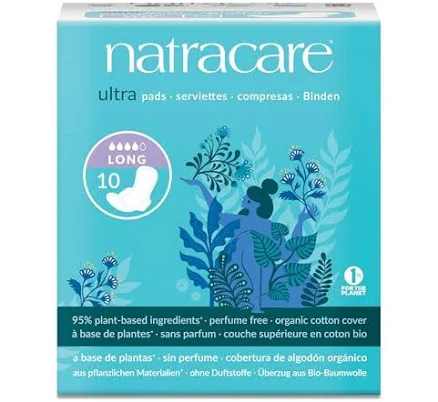
- A third party reports verifying it as PFAS-free
- Fragrance allergens (if scented variant)
2 hazards checked on this product, all on its full breakdown.
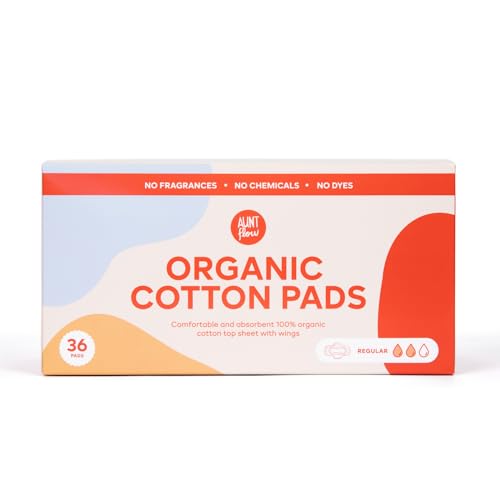
- organic cotton with natural fibers
- The brand calls it PFAS-free, which we have not verified
- Microplastics
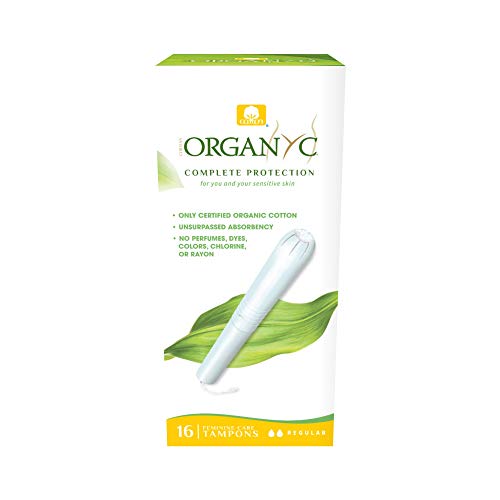
Organyc
100% Certified Organic Cotton Tampons Cardboard Applicator
- 100% organic cotton with cardboard applicator
- We found no PFAS statement from the brand
- Cardboard applicator structural integrity over time
More period care grades
 100Seventh Generation Maxi Pads - Overnight
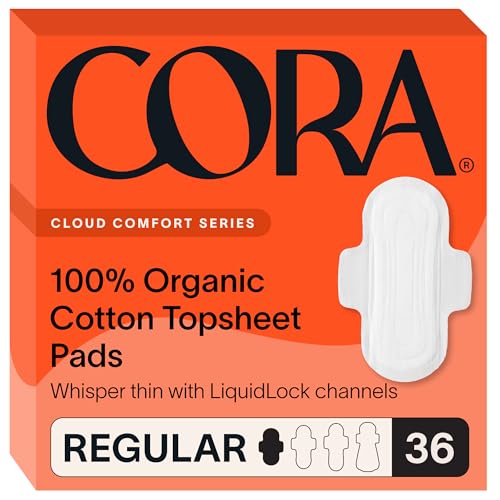 70Cora Organic Cotton Pads
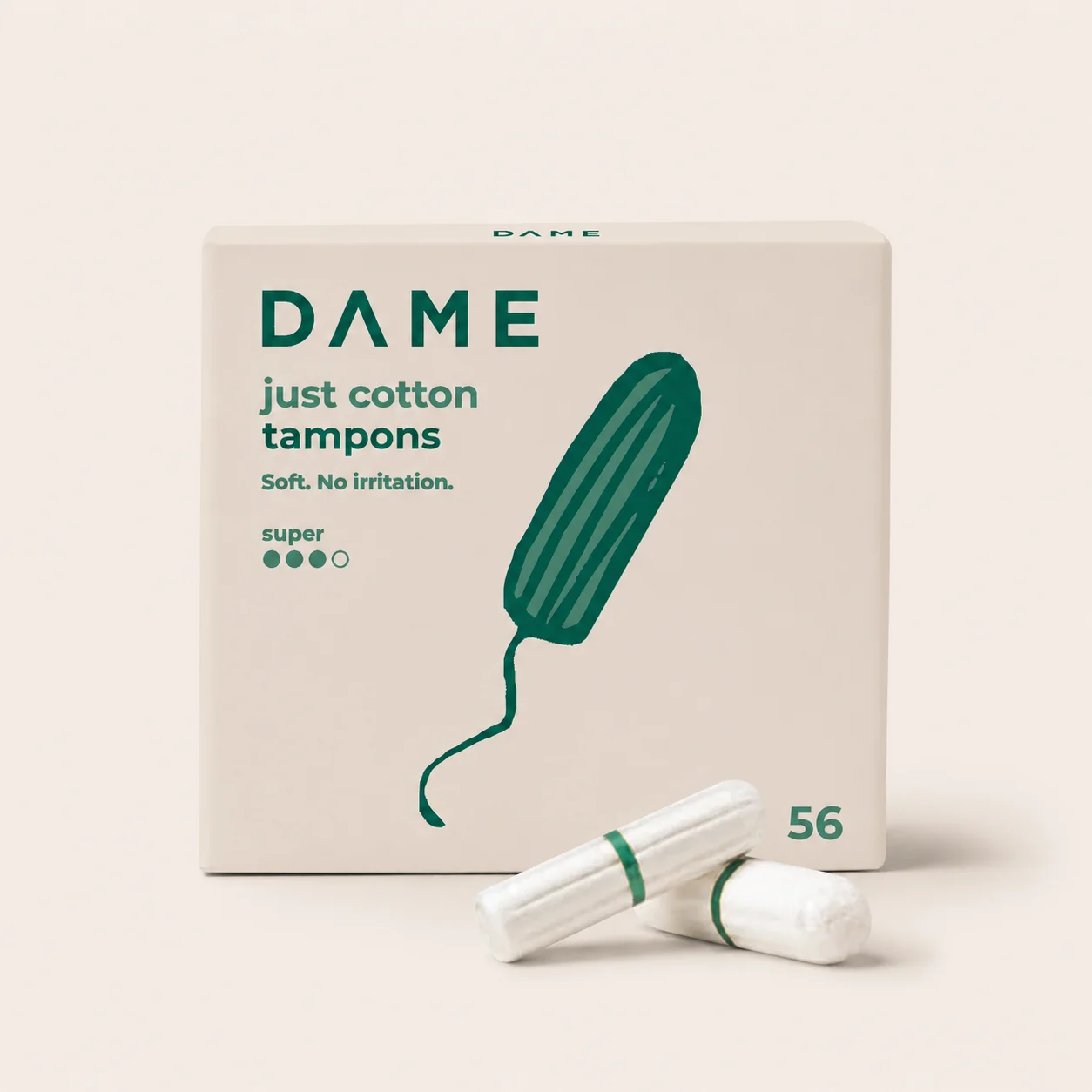 70Dame Organic Cotton Tampons
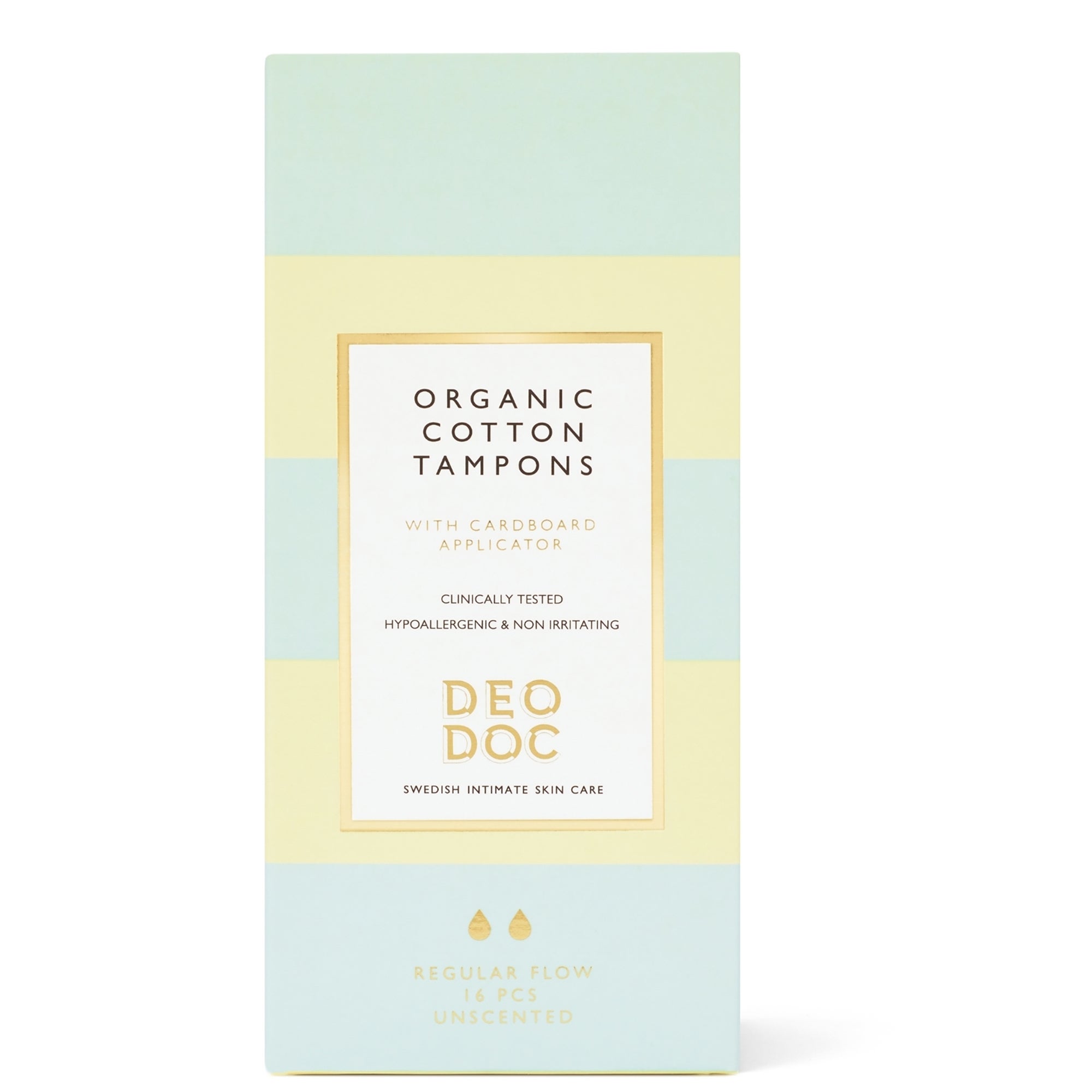 70DeoDoc Cotton Tampons
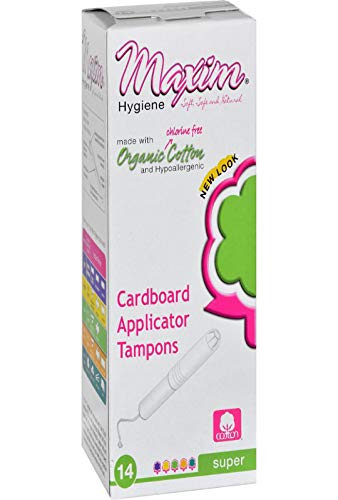 70Maxim Hygiene Organic Cotton Cardboard Applicator Tampons
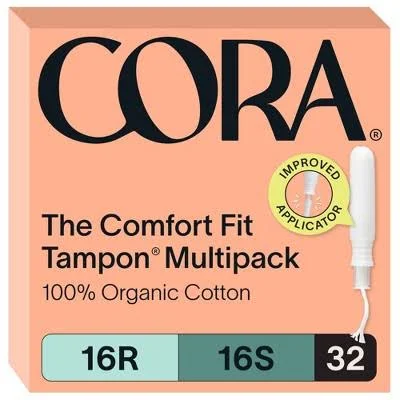 70Cora Organic Tampons
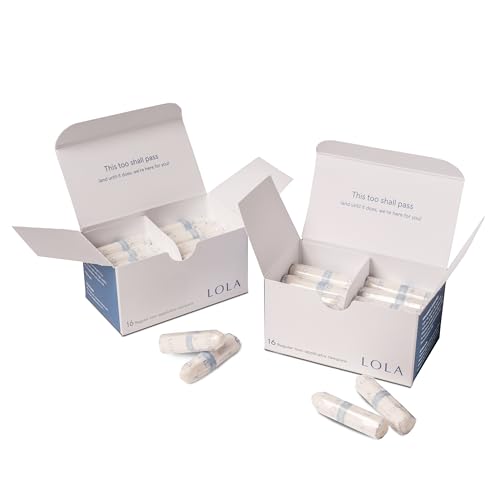 70Lola 100% Organic Cotton Tampons Applicator Free
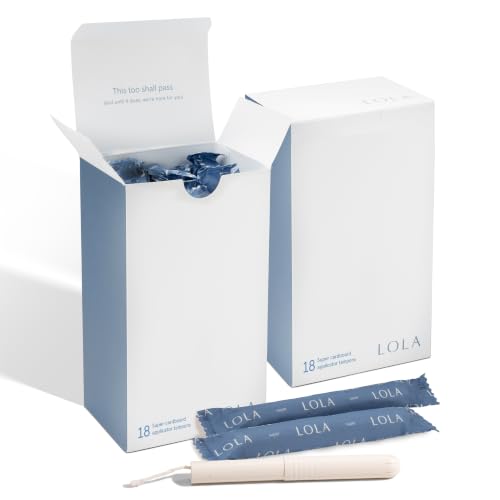 70Lola 100% Organic Cotton Tampons Cardboard Applicator
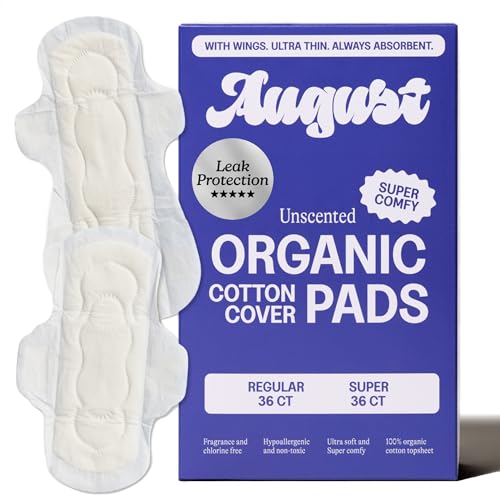 70August Organic Cotton Top Layer Pads, 36-Pack Regular
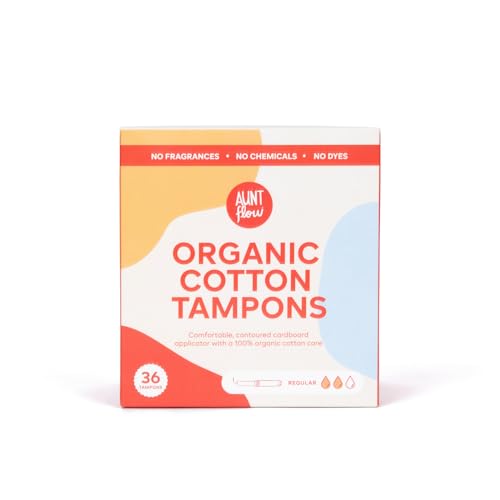 70Aunt Flow Organic Cotton Cardboard Applicator TamponsCompare vs Natracare →All period care →
How we score, every product runs through the same public 0-100 rubric based on materials, coatings, brand disclosure, lab findings, and recalls. See the full methodology → Spotted a mistake? Report an error.