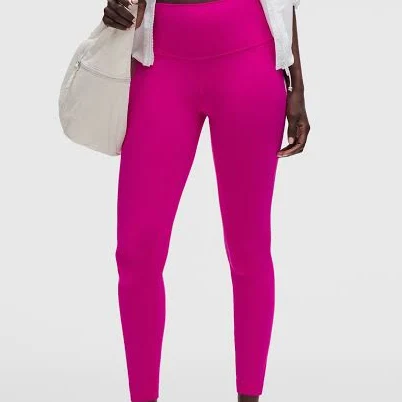
lululemon Align Leggings Women's High-Rise Pant 25
Lower concern, but Lululemon provides no public transparency on treatments.
Lululemon Align Leggings are primarily nylon-based performance fabric without publicly disclosed water-repellent coating treatments or other coatings containing PFAS. No third-party verification or PFAS-free claims are available.
Still want this one anyway? Check the price on Amazon. We’d swap it.
Material
Nylon/nylon blend (Align fabric blend, primarily synthetic)
Lab data
No public lab test
You may also be interested in
Top-graded picks in the categories readers replace first, every one scored on the same rubric.

- polypropylene filter housing, carbon/sediment cartridge
- We found no PFAS statement from the brand
- Bacterial growth in spent cartridges
3 hazards checked on this product, all on its full breakdown.

Aquasure
Premier Series 75 GPD Under Sink Reverse Osmosis Water Filtration System
- RO membrane, carbon filters, stainless steel housing
- We found no PFAS statement from the brand
- Bacterial and microbial growth in housing and filters
4 hazards checked on this product, all on its full breakdown.

Avocado
Vegan Mattress
- organic cotton, natural latex, coconut coir, recycled steel coils
- The brand calls it PFAS-free, which we have not verified
- Heavy metals
2 hazards checked on this product, all on its full breakdown.
What lululemon Align Leggings High-Rise Pant is made of, ingredients and materials
Lululemon Align leggings are made from a nylon-blend fabric (primarily nylon with elastane/spandex for stretch). Nylon itself is a stable synthetic polymer that does not leach chemicals under normal wear conditions. The main processing concern with nylon is any dyes, finishes, or water-repellent treatments applied during manufacture, but Align fabric is not marketed as water-resistant, reducing the likelihood of heavy chemical coatings.
What’s concerning
Category baseline
The starting point for this type of product, before anything specific to this product is counted.
No PFAS disclosure
No public statement from the brand about PFAS in this product.
Microplastic shedding from synthetic fibers
All nylon-elastane blends shed microfibers during washing and wear. Align leggings are durable and less prone to pilling than cheaper synthetics, but repeated washing will generate microplastic release. This is an environmental concern shared by nearly all synthetic activewear; no product-specific data exists for Align.
What’s reassuring
Base material not linked to PFAS
The main material recorded for this product is not one associated with PFAS.
Heavy metals
No recalls or documented contamination of Align leggings with harmful azo dyes or heavy metals in colorants. Standard nylon dyeing practices are regulated in most Western factories; however, Lululemon does not publicly certify dye safety, so residual dye exposure from heavy sweating cannot be ruled out entirely.
Source, FDA ↗Formaldehyde / VOCs
Align fabric is not marketed as wrinkle-resistant or durable-press treated, making formaldehyde resin finishes unlikely. No public reports of formaldehyde odor or off-gassing from Align leggings exist, suggesting minimal or no resin application.
Source, ATSDR ↗Antimony in polyester/synthetic fibers
Align is primarily nylon, not polyester, so antimony catalysts are not a concern. Some spandex fibers may contain trace antimony, but published reports have not identified Align leggings as a source of elevated antimony exposure.
Elastane (spandex) degradation and leaching under sweat/heat
Elastane is chemically stable under normal wear and care. No documented cases of harmful leaching from Align leggings' elastane component exist. Prolonged exposure to high heat (hot water, high dryer heat) can degrade elastane faster, but this is a durability issue rather than a toxicity hazard.
How is this PFAS grade calculated?
The brand's record and disclosure
Lululemon does not publicly disclose detailed chemical composition, dyeing practices, or fabric treatment standards for its core product lines, including Align. The company has faced no documented recalls or safety warnings related to chemical contamination of Align leggings. Lululemon is a member of the Sustainable Apparel Coalition and reports some environmental metrics, but chemical safety transparency remains minimal compared to brands like Patagonia or Allbirds.
How it compares in its category
Align leggings are in the mainstream premium activewear tier. They sit between fast-fashion nylon blends (which often have looser dye and finish controls) and specialty brands with explicit chemical certifications (Oeko-Tex, Bluesign). Align's price point and market position suggest moderate manufacturing standards, but without third-party certification or brand disclosure, the chemical risk profile is assumed typical for this segment rather than above or below it.
If you buy it
Wash in cool water with mild detergent before first wear to reduce loose dyes. Avoid high heat (air dry preferred; if machine drying, low heat only) to prevent elastane degradation and minimize any volatile off-gassing. Replace when fabric shows pilling, thinning, or seam separation, as degraded material may shed microfibers more readily. Store in a cool, dry place away from direct sunlight to preserve elastane elasticity and color.
What is not known about PFAS in this product?
- Basis
- Model estimate, 65% confidence, not a lab result
- Lab test
- None on record for this exact product
- Brand statement
- Lululemon has made a specific claim
Formulations change between production runs, so check the current label. How we grade.
More activewear grades
How we score, every product runs through the same public 0-100 rubric based on materials, coatings, brand disclosure, lab findings, and recalls. See the full methodology → Spotted a mistake? Report an error.