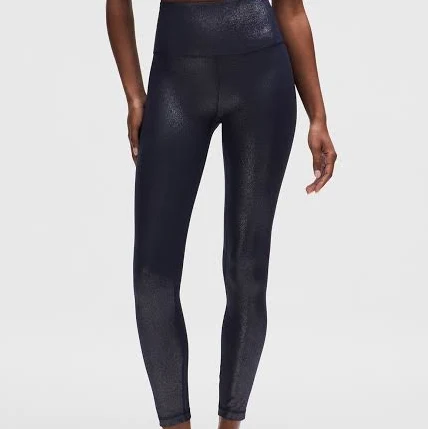
lululemon Women's Align High-Rise 25" Leggings
Lower concern, but brand discloses nothing.
Lululemon's Align leggings are primarily nylon-elastane blended knit with no published PFAS-related treatment or water-repellent coating. The brand has not published PFAS claims or certifications.
Still want this one anyway? Check the price on Amazon. We’d swap it.
Material
Nylon elastane blend (Luxtreme fabric)
Lab data
No public lab test
You may also be interested in
Top-graded picks in the categories readers replace first, every one scored on the same rubric.

- polypropylene filter housing, carbon/sediment cartridge
- We found no PFAS statement from the brand
- Bacterial growth in spent cartridges
3 hazards checked on this product, all on its full breakdown.

Aquasure
Premier Series 75 GPD Under Sink Reverse Osmosis Water Filtration System
- RO membrane, carbon filters, stainless steel housing
- We found no PFAS statement from the brand
- Bacterial and microbial growth in housing and filters
4 hazards checked on this product, all on its full breakdown.

Avocado
Vegan Mattress
- organic cotton, natural latex, coconut coir, recycled steel coils
- The brand calls it PFAS-free, which we have not verified
- Heavy metals
2 hazards checked on this product, all on its full breakdown.
What lululemon Women's Align High-Rise Leggings is made of, ingredients and materials
Lululemon's Luxtreme fabric is a nylon-elastane blend engineered for stretch, moisture-wicking, and durability in high-movement garments. Nylon itself is a synthetic polyamide with no known leaching of toxic monomers under normal wear or washing conditions. The elastane (spandex) component provides stretch recovery but is not a source of established chemical hazards at typical use levels. Unlike some technical fabrics, Luxtreme does not rely on fluorinated water repellents as its primary finish, which reduces PFAS exposure relative to outdoor gear lines.
What’s concerning
Category baseline
The starting point for this type of product, before anything specific to this product is counted.
No PFAS disclosure
No public statement from the brand about PFAS in this product.
Elastane (spandex) breakdown and microfiber shedding
Elastane degrades with UV, heat, and repeated washing, releasing microfibers into water. This is not a direct toxicity hazard to the wearer but an environmental concern; microfiber shedding is inherent to all elastane garments and increases with age.
Dye migration or color bleeding
Dark nylon garments may release residual dyes in the first 1-2 washes, particularly if washed in hot water. This is cosmetic rather than toxic but can stain other garments; cold-water washing and separate wash mitigates risk.
What’s reassuring
Base material not linked to PFAS
The main material recorded for this product is not one associated with PFAS.
Formaldehyde / VOCs
No public record of formaldehyde-releasing treatments on Luxtreme base layers. Nylon-elastane blends rarely require formaldehyde finishes for wrinkle resistance or dye fixation. If applied, off-gassing typically occurs within first few washes.
Source, ATSDR ↗Heavy metals
Lululemon's black and solid colorways in technical synthetics do not typically rely on problematic azo dyes. No specific testing data disclosed, but textile industry practice and lack of documented incidents suggest low concern for this material class.
Source, FDA ↗Heavy metals
This product is nylon-elastane, not polyester. Antimony catalysts are used in polyester production but not in nylon synthesis, eliminating this hazard category for this specific fiber blend.
Source, FDA ↗How is this PFAS grade calculated?
The brand's record and disclosure
Lululemon does not publicly disclose detailed chemical composition, restricted substance testing, or third-party certifications (such as OEKO-TEX or bluesign) for most apparel lines. The brand has no major documented chemical safety recalls on activewear in public databases. However, the company's silence on formaldehyde resins, azo dyes, and flame retardants typical of synthetic textiles means independent verification of absence is unavailable. This is standard for the athletic luxury category but limits transparency compared to certified competitors.
How it compares in its category
High-end nylon-elastane leggings are common in premium activewear and carry similar material profiles to competitors (Nike, Athleta, On). Lululemon's lack of heavy-metal-laden dyes or antimony-oxide flame retardants is typical for base-layer garments; flame retardants are not typically applied to non-outerwear synthetic textiles. The absence of a formal restricted substance list places Lululemon at the less-transparent end of the spectrum, though material class hazards remain low compared to printed or dyed garments.
If you buy it
Wash in cool water with mild detergent and avoid bleach to preserve elastane elasticity and minimize any residual chemical offgassing. Do not dry-clean or expose to high heat, as nylon can degrade and elastane loses recovery at elevated temperatures. Replace when seams fray, elastic loses recovery, or visible pilling spreads; these are longevity markers, not safety triggers. Store in a cool, dry place away from direct sunlight to slow material fatigue.
What is not known about PFAS in this product?
- Basis
- Model estimate, 72% confidence, not a lab result
- Lab test
- None on record for this exact product
- Brand statement
- Lululemon has made a specific claim
Formulations change between production runs, so check the current label. How we grade.
More activewear grades
How we score, every product runs through the same public 0-100 rubric based on materials, coatings, brand disclosure, lab findings, and recalls. See the full methodology → Spotted a mistake? Report an error.