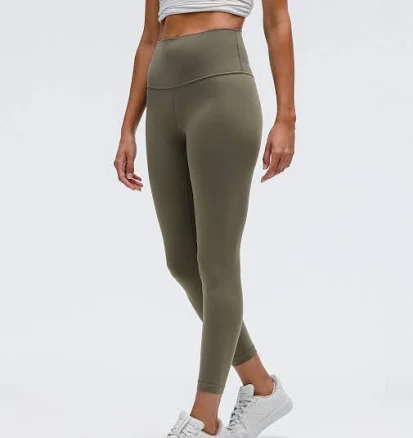
lululemon Women's Align High-Rise Pant 25
Lower concern, but brand discloses nothing about PFAS.
Lululemon's Align pant is a nylon-Lycra blend designed for comfort rather than water resistance or stain protection, the primary PFAS drivers in apparel. The brand has not publicly disclosed PFAS use or absence.
Still want this one anyway? Check the price on Amazon. We’d swap it.
Material
Nylon/Lycra blend (Luxtreme or similar elastic technical fabric)
Lab data
No public lab test
You may also be interested in
Top-graded picks in the categories readers replace first, every one scored on the same rubric.

- polypropylene filter housing, carbon/sediment cartridge
- We found no PFAS statement from the brand
- Bacterial growth in spent cartridges
3 hazards checked on this product, all on its full breakdown.

Aquasure
Premier Series 75 GPD Under Sink Reverse Osmosis Water Filtration System
- RO membrane, carbon filters, stainless steel housing
- We found no PFAS statement from the brand
- Bacterial and microbial growth in housing and filters
4 hazards checked on this product, all on its full breakdown.

Avocado
Vegan Mattress
- organic cotton, natural latex, coconut coir, recycled steel coils
- The brand calls it PFAS-free, which we have not verified
- Heavy metals
2 hazards checked on this product, all on its full breakdown.
What lululemon Women's Align High-Rise Pant 25 is made of, ingredients and materials
Lululemon Align pants use a nylon-elastane (Lycra) blend, typically their proprietary Luxtreme or similar technical performance fabric. Nylon is a synthetic polyamide with good durability and stretch recovery; Lycra is a spandex elastomer that enables the signature four-way stretch. Neither material poses known acute chemical leaching risks under normal wear, though both are petroleum-derived synthetics with embedded microfiber shedding potential during washing.
What’s concerning
Category baseline
The starting point for this type of product, before anything specific to this product is counted.
No PFAS disclosure
No public statement from the brand about PFAS in this product.
Microfiber shedding during wash
Synthetic nylon and elastane shed microplastics into wastewater during laundering, a known environmental and potential bioaccumulation concern. This is material-class inherent, not brand-specific, but cold washing and air-drying reduce fiber loss.
Elastane degradation and fiber fragmentation
High heat (tumble dry, prolonged sun exposure) degrades spandex, causing loss of integrity and microscopic polymer shedding. Proper care mitigates this; no toxicity risk from fragments themselves, but durability is shortened.
What’s reassuring
Base material not linked to PFAS
The main material recorded for this product is not one associated with PFAS.
Azo dyes (color fastness)
No recalls or test reports document azo dye use in Lululemon activewear. Standard regulatory compliance (EU, US) would restrict banned amines; absence of disclosure does not indicate risk.
Formaldehyde / VOCs
Technical performance fabrics may use crosslinked finishes, but formaldehyde-based wrinkle-resist or shrink-proof treatments are uncommon in elastane blends. No public incidents reported for this product line.
Source, ATSDR ↗Heavy metals
No regulatory action or testing data available for Lululemon nylon activewear. Industry best practice and certification frameworks (Oeko-Tex, GOTS-adjacent standards) exclude heavy metal dyes, but Lululemon does not publish third-party results.
Source, FDA ↗How is this PFAS grade calculated?
The brand's record and disclosure
Lululemon does not publicly disclose PFAS use, water-repellent coating (water-repellent coating) chemistry, or detailed chemical testing for their technical fabrics, which is common industry silence rather than an individual red flag. The brand has faced no major recalls for chemical contamination in activewear. They operate under general third-party audit frameworks but do not publish heavy metal, formaldehyde, or azo dye test results for consumers.
How it compares in its category
Nylon/elastane athletic leggings are the industry standard; this formulation is typical for premium activewear. Lululemon's price point ($98) reflects quality control above mass-market alternatives, though material chemistry does not show meaningfully lower PFAS concern than mid-range competitors. No credible evidence suggests Lululemon uses prohibited azo dyes, formaldehyde resins, or flame retardants in activewear.
If you buy it
Wash in cool water and air-dry to minimize microfiber release and elastane degradation; avoid high heat (dryer, direct sun) which accelerates spandex breakdown and potential fiber fragmentation. Replace when elastic loses recovery or seams fray, typically 2-4 years with regular use. Do not bleach or dry-clean, as solvents can degrade the fabric bond and increase leaching risk of any residual finishes.
What is not known about PFAS in this product?
- Basis
- Model estimate, 72% confidence, not a lab result
- Lab test
- None on record for this exact product
- Brand statement
- Lululemon has made a specific claim
Formulations change between production runs, so check the current label. How we grade.
More activewear grades
How we score, every product runs through the same public 0-100 rubric based on materials, coatings, brand disclosure, lab findings, and recalls. See the full methodology → Spotted a mistake? Report an error.