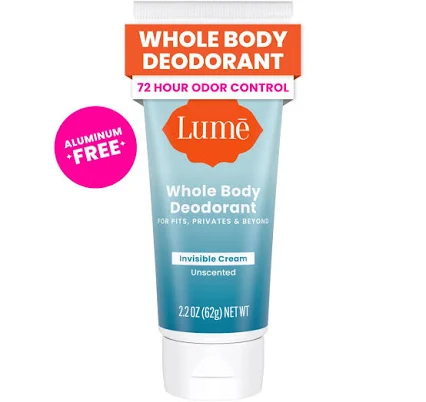
Lume Invisible Cream Whole Body Deodorant
Lower concern; no PFAS triggers in formulation, but brand hasn't transparently addressed it.
Lume's water-based cream contains cyclopentasiloxane, dimethicone, starch, and mineral pigments with no nonstick or water-resistant coatings typical of PFAS products. The brand hasn't publicly addressed its PFAS stance.
We flunk more products than we pass. This one earned its grade. How we grade
Material
Water-based cream; cyclopentasiloxane, dimethicone, starch, mineral pigments
Brand disclosure
Brand is silent on PFAS
Lab data
No public lab test
You may also be interested in
Top-graded picks in the categories readers replace first, every one scored on the same rubric.

- polypropylene filter housing, carbon/sediment cartridge
- We found no PFAS statement from the brand
- Bacterial growth in spent cartridges
3 hazards checked on this product, all on its full breakdown.

Aquasure
Premier Series 75 GPD Under Sink Reverse Osmosis Water Filtration System
- RO membrane, carbon filters, stainless steel housing
- We found no PFAS statement from the brand
- Bacterial and microbial growth in housing and filters
4 hazards checked on this product, all on its full breakdown.

Avocado
Vegan Mattress
- organic cotton, natural latex, coconut coir, recycled steel coils
- The brand calls it PFAS-free, which we have not verified
- Heavy metals
2 hazards checked on this product, all on its full breakdown.
What Lume Invisible Cream Whole Body Deodorant is made of, ingredients and materials
Lume Invisible Cream is a water-based formulation built on cyclopentasiloxane (a silicone that dries quickly and leaves no residue) and dimethicone (another silicone for smoothness), plus starch for absorption and mineral pigments for color. This chemistry avoids aluminum salts and talc, common concerns in antiperspirants and powders. The water base means no alcohol harshness, and silicones in cosmetics are established as low-migration, low-toxicity ingredients at approved concentrations.
What’s concerning
Category baseline
The starting point for this type of product, before anything specific to this product is counted.
No PFAS disclosure
No public statement from the brand about PFAS in this product.
Fragrance allergens and sensitizers
Lume uses proprietary fragrance blends; full ingredient disclosure of fragrance components is not provided on label or website. Individuals with fragrance sensitivity should request full INCIs or perform patch testing, though reported adverse events are not established for this brand.
What’s reassuring
Base material not linked to PFAS
The main material recorded for this product is not one associated with PFAS.
Heavy metals
Lume discloses use of mineral pigments for color but does not specify sources or heavy metal testing (lead, cadmium, arsenic limits). Mineral pigments in cosmetics are regulated, and no contamination has been reported for this product; however, third-party testing is not publicly available.
Source, FDA ↗Silicone dermal accumulation
Cyclopentasiloxane and dimethicone are not bioaccumulative at skin application rates, but individuals with severe silicone sensitivity should avoid. No clinical evidence of harm at cosmetic use levels; concern is theoretical for very frequent, high-volume users.
Starch and bacterial or fungal growth
Starch can theoretically support microbial growth if the product becomes damp or contaminated. Proper storage (dry, sealed container) and hand hygiene during application mitigate risk. No documented cases of infection linked to Lume products.
Formaldehyde / VOCs
No formaldehyde-releasing preservatives (DMDM hydantoin, imidazolidinyl urea) appear in disclosed ingredients. Preservative system is not fully detailed; standard cosmetic preservatives used do not carry formaldehyde risk at permitted levels.
Source, ATSDR ↗How is this PFAS grade calculated?
The brand's record and disclosure
Lume has built marketing around transparency (no aluminum, no talc, no baking soda) but has not published formal safety certifications (EWG verification, Dermatologically Tested claims are standard for competitors). The brand does not publicly address PFAS, though the disclosed ingredients carry no documented PFAS triggers. No major safety recalls or substantiated allegations of harm are on record for this product line.
How it compares in its category
Lume sits in the premium natural-leaning deodorant space alongside brands like Native and Schmidt's. Unlike many conventional antiperspirants, it omits aluminum chloride (which prevents sweating but raises bioaccumulation questions). Compared to talc-based powders, the starch-silicone blend reduces inhalation risk. Fragrance allergen load appears comparable to mainstream options.
If you buy it
Apply to clean, dry skin; cream deodorants benefit from skin moisture balance, so avoid over-application in very humid climates where it may pill. Store below 25°C to preserve texture; silicones are stable but can separate in heat. Replace every 6 months or when odor control declines. Patch-test if you have sensitive skin, as fragrance or starch may trigger contact dermatitis in rare cases.
What is not known about PFAS in this product?
- Basis
- Model estimate, 72% confidence, not a lab result
- Lab test
- None on record for this exact product
- Brand statement
- Lume has made none
Formulations change between production runs, so check the current label. How we grade.
What are the PFAS-free alternatives to Lume Invisible Cream Whole Body Deodorant?
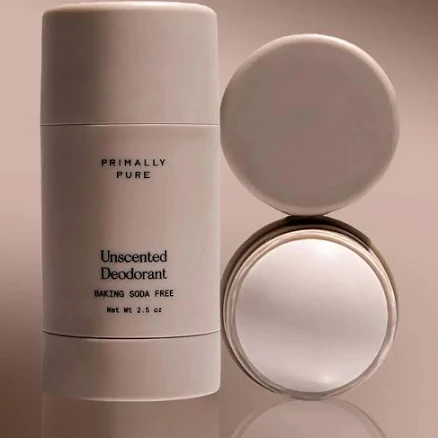
- mineral-based powder blend (arrowroot, magnesium hydroxide, mica)
- We found no PFAS statement from the brand
- Skin irritation from magnesium hydroxide alkalinity
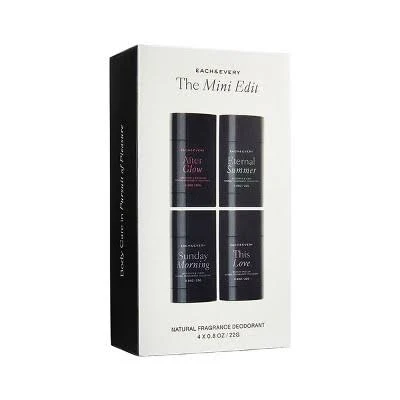
- cosmetic formulations, primary ingredients listed
- A third party reports verifying it as PFAS-free
- Fragrance allergens (natural essential oils)
2 hazards checked on this product, all on its full breakdown.
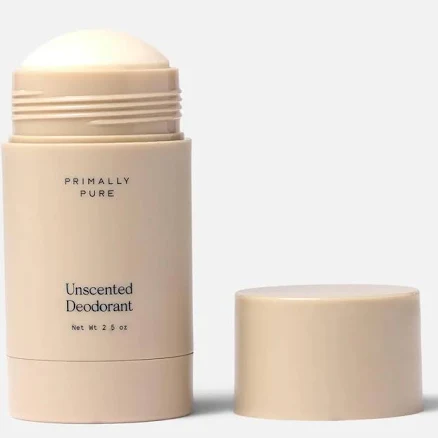
- natural mineral powders, plant-based actives, beeswax
- We found no PFAS statement from the brand
- Beeswax purity and contamination
2 hazards checked on this product, all on its full breakdown.
More deodorant grades
How we score, every product runs through the same public 0-100 rubric based on materials, coatings, brand disclosure, lab findings, and recalls. See the full methodology → Spotted a mistake? Report an error.