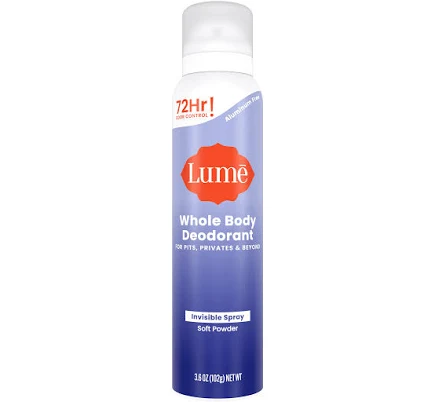
Lume Invisible Spray Whole Body Deodorant
Lower concern from spray formulation, but brand does not disclose PFAS status.
Lume's spray deodorant contains no known PFAS-prone ingredients like nonstick coatings or water-repellent treatments typical of aerosols. The brand makes no PFAS claims and no lab data exists, leaving moderate confidence.
We flunk more products than we pass. This one earned its grade. How we grade
Material
Spray deodorant; primary actives typically aluminum salts or mineral compounds in hydrocarbon/alcohol base
Brand disclosure
Brand is silent on PFAS
Lab data
No public lab test
You may also be interested in
Top-graded picks in the categories readers replace first, every one scored on the same rubric.

- polypropylene filter housing, carbon/sediment cartridge
- We found no PFAS statement from the brand
- Bacterial growth in spent cartridges
3 hazards checked on this product, all on its full breakdown.

Aquasure
Premier Series 75 GPD Under Sink Reverse Osmosis Water Filtration System
- RO membrane, carbon filters, stainless steel housing
- We found no PFAS statement from the brand
- Bacterial and microbial growth in housing and filters
4 hazards checked on this product, all on its full breakdown.

Avocado
Vegan Mattress
- organic cotton, natural latex, coconut coir, recycled steel coils
- The brand calls it PFAS-free, which we have not verified
- Heavy metals
2 hazards checked on this product, all on its full breakdown.
What Lume Invisible Spray Whole Body Deodorant is made of, ingredients and materials
Lume Invisible Spray is a hydrocarbon and alcohol-based aerosol deodorant, typically containing aluminum salts or mineral compounds as the active ingredient. The spray format means the product is dispersed as fine particles and vapor, which raises inhalation exposure as the primary route of concern. Unlike roll-on or stick formats, spray deodorants do not deposit a solid coating; instead, they dry quickly on skin as a thin residue. Lume's formulation is fragrance-free, which eliminates one common allergen source in personal-care aerosols.
What’s concerning
Category baseline
The starting point for this type of product, before anything specific to this product is counted.
No PFAS disclosure
No public statement from the brand about PFAS in this product.
Inhalation exposure from spray aerosol
Spray format creates fine particles and vapor; short-term inhalation during application is expected but localized. No chronic inhalation toxicity has been documented for standard spray deodorant actives (aluminum salts) at typical use levels. Ventilation during application minimizes exposure.
Propellant inhalation risk (hydrocarbons)
Spray deodorants typically use hydrocarbon propellants (isobutane, propane, n-butane). Inhalation of propellants at low levels during normal use is not known to cause harm; however, intentional inhalation ('huffing') poses acute and chronic neurological risk. Standard brief application carries minimal risk.
Skin irritation from alcohol base
Spray deodorants often contain ethanol or isopropanol as a carrier; this can cause mild drying or irritation on sensitive skin, especially if applied to freshly shaved underarms. This is a localized, non-systemic hazard typical of the category. Lume does not prominently disclose alcohol content.
What’s reassuring
Base material not linked to PFAS
The main material recorded for this product is not one associated with PFAS.
Aluminum salt dermal absorption and systemic accumulation
Aluminum-based deodorant actives are not known to cause harm at typical topical exposure levels based on decades of use data. Lume does not disclose aluminum concentration; absorption through intact skin is minimal. This hazard is theoretical and not established as a safety concern in the scientific literature for deodorant use.
Fragrance allergens and sensitization
Lume Invisible Spray is marketed as fragrance-free, eliminating a major allergen source in conventional spray deodorants. No fragrance sensitization cases have been documented for this product.
How is this PFAS grade calculated?
The brand's record and disclosure
Lume is a direct-to-consumer brand founded in 2017 and has built its marketing around odor control for the entire body. The brand does not publish detailed safety data sheets or third-party certifications (e.g., Dermatologist Tested, Hypoallergenic) on its main marketing materials. No major product recalls or safety controversies have been documented in publicly available sources. Brand transparency on ingredient sourcing and manufacturing standards is limited compared to larger personal-care corporations, but this is typical for the DTC segment.
How it compares in its category
Spray deodorants as a category carry slightly higher inhalation risk than stick or roll-on alternatives due to particle dispersal, but this risk is manageable with standard use (brief application, ventilation). Lume's fragrance-free formulation has lower concern than scented sprays, which often contain allergen-prone fragrance compounds. The aluminum salt active is standard across most conventional deodorants and antiperspirants; there is no evidence Lume uses atypical or higher-risk versions. Compared to natural or aluminum-free deodorants, Lume is more conventional and generally considered more effective by users.
If you buy it
Apply in a well-ventilated area to minimize inhalation of spray particles; brief, light application is sufficient for most users. Do not apply to broken skin or immediately after shaving, as this can increase dermal absorption. Store in a cool place away from heat or direct sunlight to prevent aerosol pressure buildup. Replace if the nozzle clogs or spray pattern changes; do not attempt to repair the aerosol can.
What is not known about PFAS in this product?
- Basis
- Model estimate, 72% confidence, not a lab result
- Lab test
- None on record for this exact product
- Brand statement
- Lume has made none
Formulations change between production runs, so check the current label. How we grade.
What are the PFAS-free alternatives to Lume Invisible Spray Whole Body Deodorant?
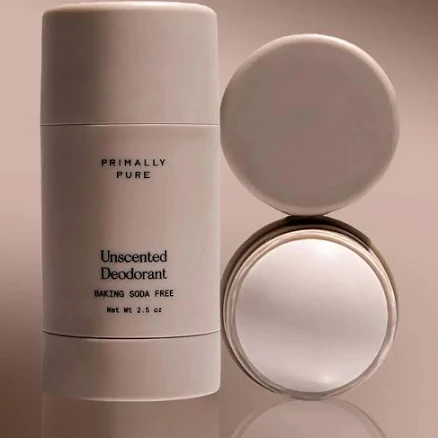
- mineral-based powder blend (arrowroot, magnesium hydroxide, mica)
- We found no PFAS statement from the brand
- Skin irritation from magnesium hydroxide alkalinity
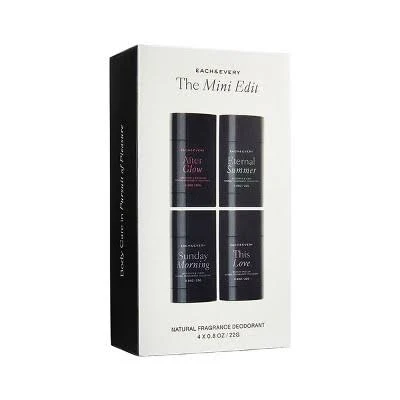
- cosmetic formulations, primary ingredients listed
- A third party reports verifying it as PFAS-free
- Fragrance allergens (natural essential oils)
2 hazards checked on this product, all on its full breakdown.
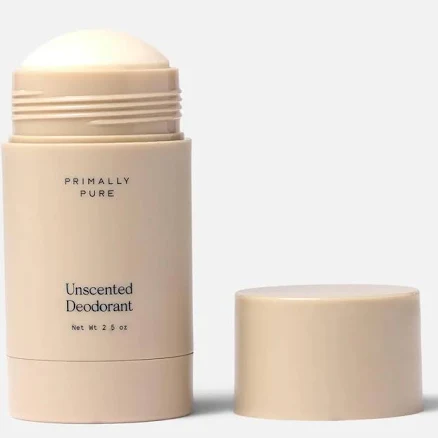
- natural mineral powders, plant-based actives, beeswax
- We found no PFAS statement from the brand
- Beeswax purity and contamination
2 hazards checked on this product, all on its full breakdown.
More deodorant grades
How we score, every product runs through the same public 0-100 rubric based on materials, coatings, brand disclosure, lab findings, and recalls. See the full methodology → Spotted a mistake? Report an error.