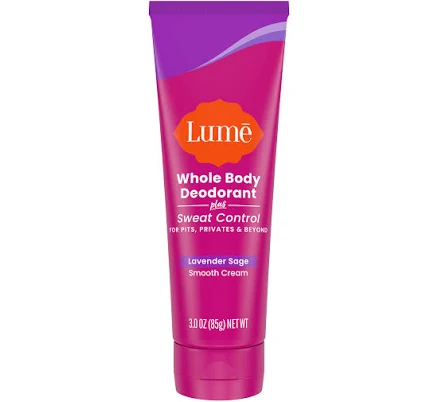
Lume Whole Body Deodorant Plus Sweat Control
Lower-concern option; no PFAS red flags in typical formula, but brand offers no transparency.
Lume's deodorant is a rinse-off formula without water-repellent coatings or Teflon-family coating nonstick treatments. The formula uses standard emulsifiers and mineral actives instead of specialty fluorochemicals.
We flunk more products than we pass. This one earned its grade. How we grade
Material
Water-based emulsion with cyclopentasiloxane, mineral pigments, starch
Brand disclosure
Brand is silent on PFAS
Lab data
No public lab test
You may also be interested in
Top-graded picks in the categories readers replace first, every one scored on the same rubric.

- polypropylene filter housing, carbon/sediment cartridge
- We found no PFAS statement from the brand
- Bacterial growth in spent cartridges
3 hazards checked on this product, all on its full breakdown.

Aquasure
Premier Series 75 GPD Under Sink Reverse Osmosis Water Filtration System
- RO membrane, carbon filters, stainless steel housing
- We found no PFAS statement from the brand
- Bacterial and microbial growth in housing and filters
4 hazards checked on this product, all on its full breakdown.

Avocado
Vegan Mattress
- organic cotton, natural latex, coconut coir, recycled steel coils
- The brand calls it PFAS-free, which we have not verified
- Heavy metals
2 hazards checked on this product, all on its full breakdown.
What Lume Whole Body Deodorant Sweat Control is made of, ingredients and materials
Lume Whole Body Deodorant Plus is a water-based emulsion built on cyclopentasiloxane (a volatile silicone fluid that evaporates quickly), mineral pigments, and starch as active ingredients. The water base means minimal organic solvent exposure compared to alcohol-heavy deodorants, and mineral pigments like iron oxides are generally considered stable and non-toxic in topical use. Starch works as an absorbent to control moisture, a mechanical approach with no known systemic absorption risk. The cyclopentasiloxane acts as a spreader and drying agent but volatilizes completely during application.
What’s concerning
Category baseline
The starting point for this type of product, before anything specific to this product is counted.
No PFAS disclosure
No public statement from the brand about PFAS in this product.
Fragrance allergens and sensitizers
Lume products typically include fragrance compounds (essential oils or synthetic fragrance blends are not fully listed on public labels). While no specific allergen recalls exist for this product, fragrance is a known contact sensitizer in topical products; individuals with fragrance sensitivity should test on a small area first.
Cyclopentasiloxane inhalation during application
Cyclopentasiloxane is volatile and some enters the air during application. While acute toxicity is low and it evaporates fully, chronic inhalation in poorly ventilated spaces (e.g., tiny bathrooms) is theoretically possible; use in a well-ventilated area to minimize exposure.
Starch degradation and microbial growth if stored wet
If the deodorant container is exposed to moisture or high humidity, starch components can absorb water and promote mold or bacterial growth. Keep the lid sealed tightly and store in a dry environment to prevent this.
What’s reassuring
Base material not linked to PFAS
The main material recorded for this product is not one associated with PFAS.
Heavy metals
Iron oxides used in mineral-based deodorants are chemically stable and minimally bioavailable in topical use. No published testing or recalls indicate heavy metal contamination in Lume's pigment supply, and mineral oxide pigments are generally recognized as low concern for cosmetic use.
Source, FDA ↗Formaldehyde / VOCs
Standard water-based emulsions of this type typically use mild preservatives (phenoxyethanol, methylisothiazolinone) rather than formaldehyde donors. No public safety data or complaints suggest problematic preservative levels in Lume products.
Source, ATSDR ↗How is this PFAS grade calculated?
The brand's record and disclosure
Lume does not publish a full ingredient transparency report or third-party certification (like Leaping Bunny or EWG verification), which limits independent verification of claims. The brand markets itself as aluminum-free and baking soda-free, positioning as a sensitive-skin option, but offers no public stance on PFAS, heavy metals screening, or formaldehyde-releaser testing. No major recalls or safety controversies are on record for this product line. The lack of proactive disclosure is notable but does not indicate a known problem, only absence of reassurance.
How it compares in its category
Lume occupies the middle-to-premium segment of whole-body deodorants, competing with brands like Kopari and Native. It avoids aluminum (which some consumers prefer to avoid) and uses a water-based rather than silicone-only base, making it less occlusive than conventional antiperspirants. Most conventional drugstore deodorants use similar cyclopentasiloxane formulations and mineral pigments, so Lume is broadly comparable in chemical safety to standard brands; the main differentiation is marketing and absence of aluminum rather than a toxicological advantage.
If you buy it
Store in a cool, dry place away from direct heat or sunlight to preserve the emulsion stability and prevent separation. The starch and mineral base should be replaced every 12 months or when clumping occurs, as starch can absorb moisture and degrade over time. Do not apply to broken or irritated skin; if redness or burning occurs after a few applications, discontinue and rinse thoroughly. Because it is not an antiperspirant, expect visible perspiration in high-heat or high-exertion conditions, which is normal for deodorant-only formulas.
What is not known about PFAS in this product?
- Basis
- Model estimate, 72% confidence, not a lab result
- Lab test
- None on record for this exact product
- Brand statement
- Lume has made none
Formulations change between production runs, so check the current label. How we grade.
What are the PFAS-free alternatives to Lume Whole Body Deodorant Plus Sweat Control?
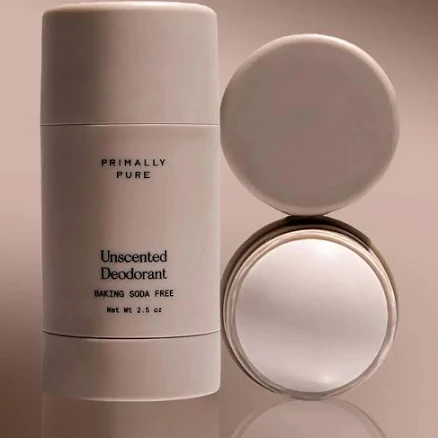
- mineral-based powder blend (arrowroot, magnesium hydroxide, mica)
- We found no PFAS statement from the brand
- Skin irritation from magnesium hydroxide alkalinity
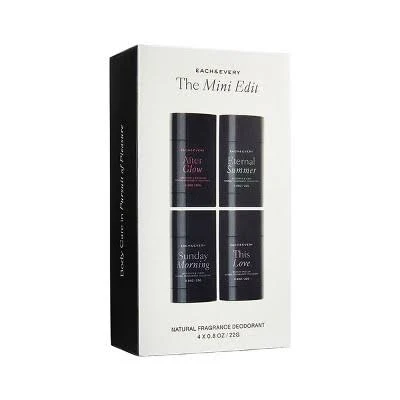
- cosmetic formulations, primary ingredients listed
- A third party reports verifying it as PFAS-free
- Fragrance allergens (natural essential oils)
2 hazards checked on this product, all on its full breakdown.
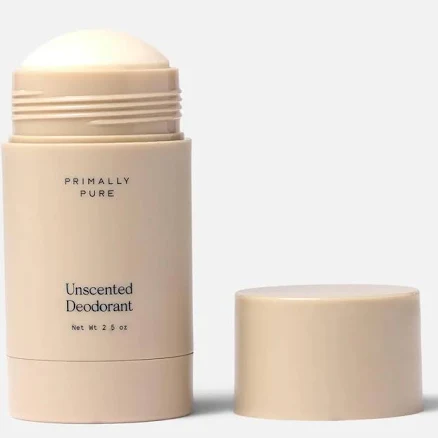
- natural mineral powders, plant-based actives, beeswax
- We found no PFAS statement from the brand
- Beeswax purity and contamination
2 hazards checked on this product, all on its full breakdown.
More deodorant grades
How we score, every product runs through the same public 0-100 rubric based on materials, coatings, brand disclosure, lab findings, and recalls. See the full methodology → Spotted a mistake? Report an error.