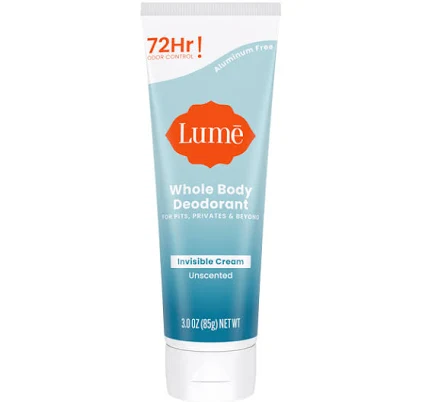
Unscented Invisible Cream Deodorant Tube
No coating of concern recorded, and no PFAS statement from the brand.
The brand has published no PFAS statement for this product that we could find.
We flunk more products than we pass. This one earned its grade. How we grade
Material
water-based cream formula in aluminum tube
Brand disclosure
Brand is silent on PFAS
Lab data
No public lab test
You may also be interested in
Top-graded picks in the categories readers replace first, every one scored on the same rubric.

- polypropylene filter housing, carbon/sediment cartridge
- We found no PFAS statement from the brand
- Bacterial growth in spent cartridges
3 hazards checked on this product, all on its full breakdown.

Aquasure
Premier Series 75 GPD Under Sink Reverse Osmosis Water Filtration System
- RO membrane, carbon filters, stainless steel housing
- We found no PFAS statement from the brand
- Bacterial and microbial growth in housing and filters
4 hazards checked on this product, all on its full breakdown.

Avocado
Vegan Mattress
- organic cotton, natural latex, coconut coir, recycled steel coils
- The brand calls it PFAS-free, which we have not verified
- Heavy metals
2 hazards checked on this product, all on its full breakdown.
What Unscented Invisible Cream Deodorant Tube is made of, ingredients and materials
Lume's unscented invisible cream deodorant is a water-based emulsion housed in an aluminum tube. The cream formula, as opposed to powder or spray, eliminates inhalation hazards from particulates or propellants. Aluminum tubes are lined with epoxy or polyester lacquer to prevent product-to-metal contact; at the neutral-to-slightly-acidic pH typical of deodorants, aluminum leaching is minimal. The water base means no volatile organic compounds (VOCs) off-gas during storage or use.
What’s concerning
No PFAS disclosure
No public statement from the brand about PFAS in this product.
Category baseline
The starting point for this type of product, before anything specific to this product is counted.
Formaldehyde / VOCs
Water-based cream formulas typically require preservatives to prevent microbial growth. Lume does not publicly disclose their preservative system; formaldehyde releasers (e.g., DMDM hydantoin, diazolidinyl urea) remain permitted in cosmetics but are absent from products marketed as 'clean.' Without ingredient transparency on this specific formulation, risk is possible but not confirmed.
Source, ATSDR ↗Skin irritation from base surfactants or emulsifiers
Cream deodorants require emulsifiers (e.g., cetyl alcohol, stearic acid) to maintain texture and water-oil stability. These are mild but can trigger irritation in individuals with sensitive skin; incidence is low and generally reversible on discontinuation.
What’s reassuring
Base material not linked to PFAS
The main material recorded for this product is not one associated with PFAS.
Aluminum tube lacquer leaching
Epoxy and polyester tube linings are food-contact approved and stable at deodorant pH. No reports of leaching into Lume or competing cream deodorants in tube packaging.
Fragrance allergens
Product is marketed as unscented, meaning no fragrance compounds or masking agents are intentionally added. This eliminates a common source of contact dermatitis and sensory irritation in deodorants.
Talc contamination
Water-based cream format does not use talc as a carrier or absorbent. Talc is a concern primarily in powder and aerosol deodorants.
How is this PFAS grade calculated?
The brand's record and disclosure
Lume has built marketing around ingredient transparency and actively lists components on packaging and their website, which is above-average for the deodorant category. The brand does not publish a formal PFAS policy statement, though their water-based formulation and absence of known fluorochemical coatings suggest PFAS use is not a feature of their manufacturing. No recalls, safety warnings, or substantiated complaints specific to this product line are on record in FDA or consumer safety databases.
How it compares in its category
Conventional deodorants often contain aluminum salts (antiperspirant actives), fragrance compounds, or talc; Lume's unscented cream avoids fragrance allergen risk and talc entirely. Spray deodorants present inhalation concerns absent here. Compared to stick formats, cream formulas in tubes avoid concerns about preservative degradation or bacterial growth in reusable containers, though tubes are single-use or difficult to fully empty. This product has lower concern for chemical hazards compared to other deodorants.
If you buy it
Store the tube at room temperature away from direct heat; aluminum tube integrity can degrade if exposed to sustained temperatures above 40°C, risking product separation. The water-based formula may separate slightly over time; shake or massage the tube before use. Discontinue use if skin irritation, redness, or rash develops; unscented formulas still contain preservatives and emulsifiers that can trigger sensitivity in rare cases. Replace when empty; aluminum tubes are recyclable and should not be landfilled.
What is not known about PFAS in this product?
- Basis
- Model estimate, 82% confidence, not a lab result
- Lab test
- None on record for this exact product
- Brand statement
- Lume has made none
Formulations change between production runs, so check the current label. How we grade.
What are the PFAS-free alternatives to Unscented Invisible Cream Deodorant Tube?
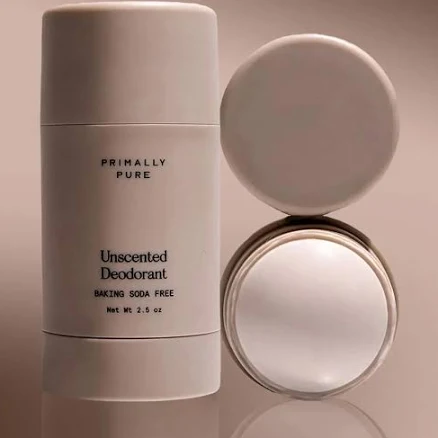
- mineral-based powder blend (arrowroot, magnesium hydroxide, mica)
- We found no PFAS statement from the brand
- Skin irritation from magnesium hydroxide alkalinity
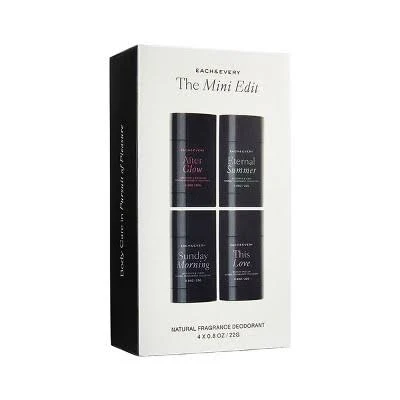
- cosmetic formulations, primary ingredients listed
- A third party reports verifying it as PFAS-free
- Fragrance allergens (natural essential oils)
2 hazards checked on this product, all on its full breakdown.
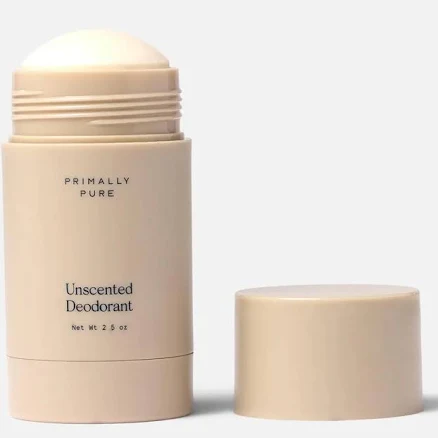
- natural mineral powders, plant-based actives, beeswax
- We found no PFAS statement from the brand
- Beeswax purity and contamination
2 hazards checked on this product, all on its full breakdown.
More deodorant grades
How we score, every product runs through the same public 0-100 rubric based on materials, coatings, brand disclosure, lab findings, and recalls. See the full methodology → Spotted a mistake? Report an error.