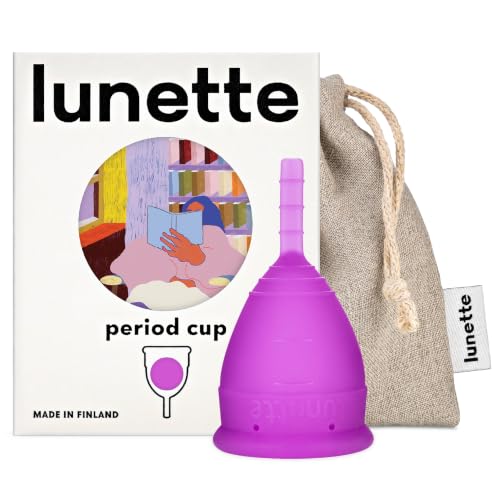
Lunette Reusable Menstrual Cup
Lower concern. Medical-grade silicone menstrual cups carry minimal known PFAS risk.
Lunette cups use medical-grade silicone, a material with lower PFAS concern than coated or treated products. Brand does not publicly address PFAS, but silicone formulations are not typically PFAS-dependent.
We flunk more products than we pass. This one earned its grade. How we grade
Material
Medical-grade silicone
Brand disclosure
Brand is silent on PFAS
Lab data
No public lab test
You may also be interested in
Top-graded picks in the categories readers replace first, every one scored on the same rubric.

- polypropylene filter housing, carbon/sediment cartridge
- We found no PFAS statement from the brand
- Bacterial growth in spent cartridges
3 hazards checked on this product, all on its full breakdown.

Aquasure
Premier Series 75 GPD Under Sink Reverse Osmosis Water Filtration System
- RO membrane, carbon filters, stainless steel housing
- We found no PFAS statement from the brand
- Bacterial and microbial growth in housing and filters
4 hazards checked on this product, all on its full breakdown.

Avocado
Vegan Mattress
- organic cotton, natural latex, coconut coir, recycled steel coils
- The brand calls it PFAS-free, which we have not verified
- Heavy metals
2 hazards checked on this product, all on its full breakdown.
What Lunette Reusable Menstrual Cup is made of, ingredients and materials
Lunette cups are manufactured from medical-grade silicone, a synthetic rubber polymer cross-linked for durability and heat resistance. This material is non-porous, does not degrade into microplastics under normal use conditions, and does not leach known endocrine disruptors like BPA or phthalates. Medical-grade silicone is inert at body temperature and does not require surface coatings or glazes that might introduce heavy metals.
What’s concerning
Category baseline
The starting point for this type of product, before anything specific to this product is counted.
No PFAS disclosure
No public statement from the brand about PFAS in this product.
Bacterial or fungal colonization
Any reusable internal device can harbor pathogenic growth if stored wet or not cleaned thoroughly. This is a care and maintenance issue, not a material defect; proper drying and storage mitigate risk.
Degradation of material integrity over time
Prolonged exposure to high heat, certain oils, or aggressive cleaners may gradually weaken silicone bonds. Inspect regularly for stickiness, tears, or loss of structural firmness; replace if integrity is compromised.
What’s reassuring
Base material not linked to PFAS
The main material recorded for this product is not one associated with PFAS.
Microplastic shedding
Medical-grade silicone is cross-linked and does not fragment into particles under normal internal use, menstrual fluid exposure, or boiling. No published studies document microplastic release from intact silicone menstrual cups.
Heavy metals
Medical-grade silicone does not require lead, cadmium, or antimony in its formulation. No recalls or test reports have identified heavy metal contamination in Lunette cups.
Source, FDA ↗Allergic sensitization or irritation
Silicone is non-allergenic for the vast majority of users and does not release volatile compounds. Rare individual sensitivities to silicone exist but are not reported in medical literature as a product-specific concern for Lunette.
How is this PFAS grade calculated?
The brand's record and disclosure
Lunette publishes safety data sheets and certifies cups meet FDA and CE standards for medical devices. The brand does not publish a dedicated PFAS statement, leaving its stance silent on forever chemicals. No product recalls, contamination incidents, or third-party test failures are on public record for Lunette menstrual cups. The company markets cups as reusable and sustainably manufactured, though supply-chain transparency beyond material claims is limited.
How it compares in its category
Menstrual cups, whether silicone or rubber, avoid the single-use plastic and bleached-cotton concerns of tampons and pads. Silicone cups like Lunette present lower chemical risk than cheaper thermoplastic elastomer (TPE) alternatives, which may contain phthalates or antimony residues. Latex alternatives carry allergen risk; silicone does not. Reusable design eliminates the cumulative microplastic and packaging burden of disposables.
If you buy it
Wash the cup in hot water after each cycle and inspect for tears or discoloration before reinsertion. Medical-grade silicone tolerates boiling for sterilization and does not degrade from heat; replace only if material becomes sticky, stained, or damaged. Store in a breathable pouch to prevent moisture entrapment and mildew. The product is designed to last 5-10 years with proper care.
What is not known about PFAS in this product?
- Basis
- Model estimate, 72% confidence, not a lab result
- Lab test
- None on record for this exact product
- Brand statement
- Lunette has made none
Formulations change between production runs, so check the current label. How we grade.
What are the PFAS-free alternatives to Lunette Reusable Menstrual Cup?
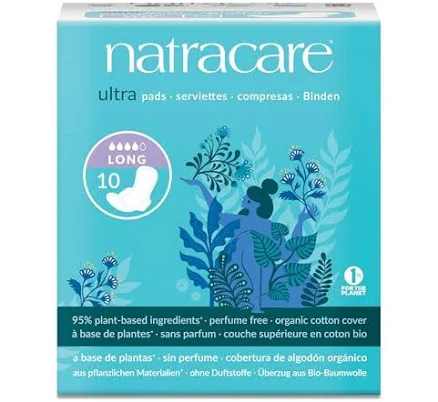
- A third party reports verifying it as PFAS-free
- Fragrance allergens (if scented variant)
2 hazards checked on this product, all on its full breakdown.
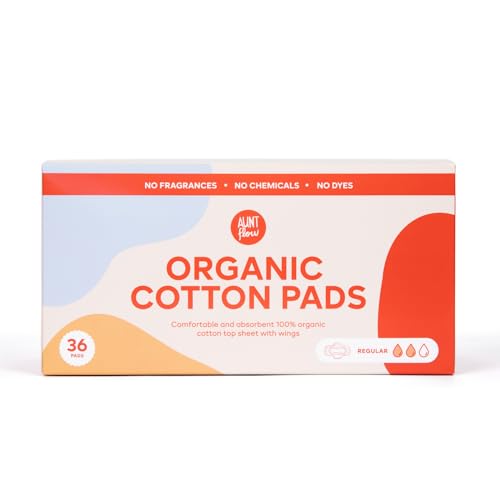
- organic cotton with natural fibers
- The brand calls it PFAS-free, which we have not verified
- Microplastics
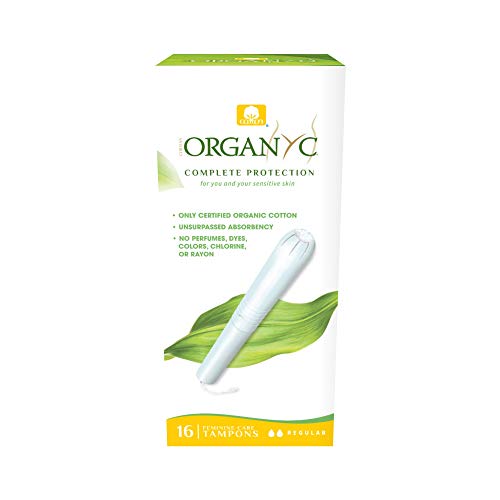
Organyc
100% Certified Organic Cotton Tampons Cardboard Applicator
- 100% organic cotton with cardboard applicator
- We found no PFAS statement from the brand
- Cardboard applicator structural integrity over time
More period care grades
 100Seventh Generation Maxi Pads - Overnight
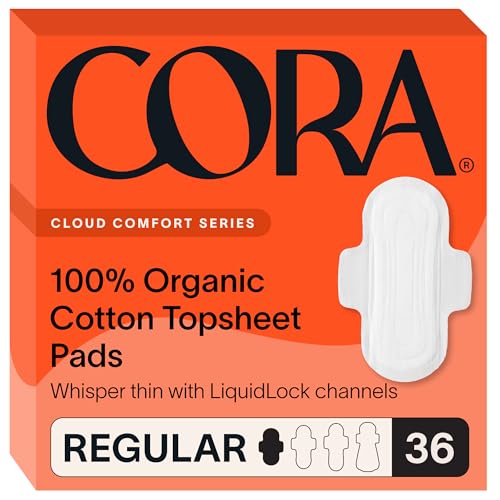 70Cora Organic Cotton Pads
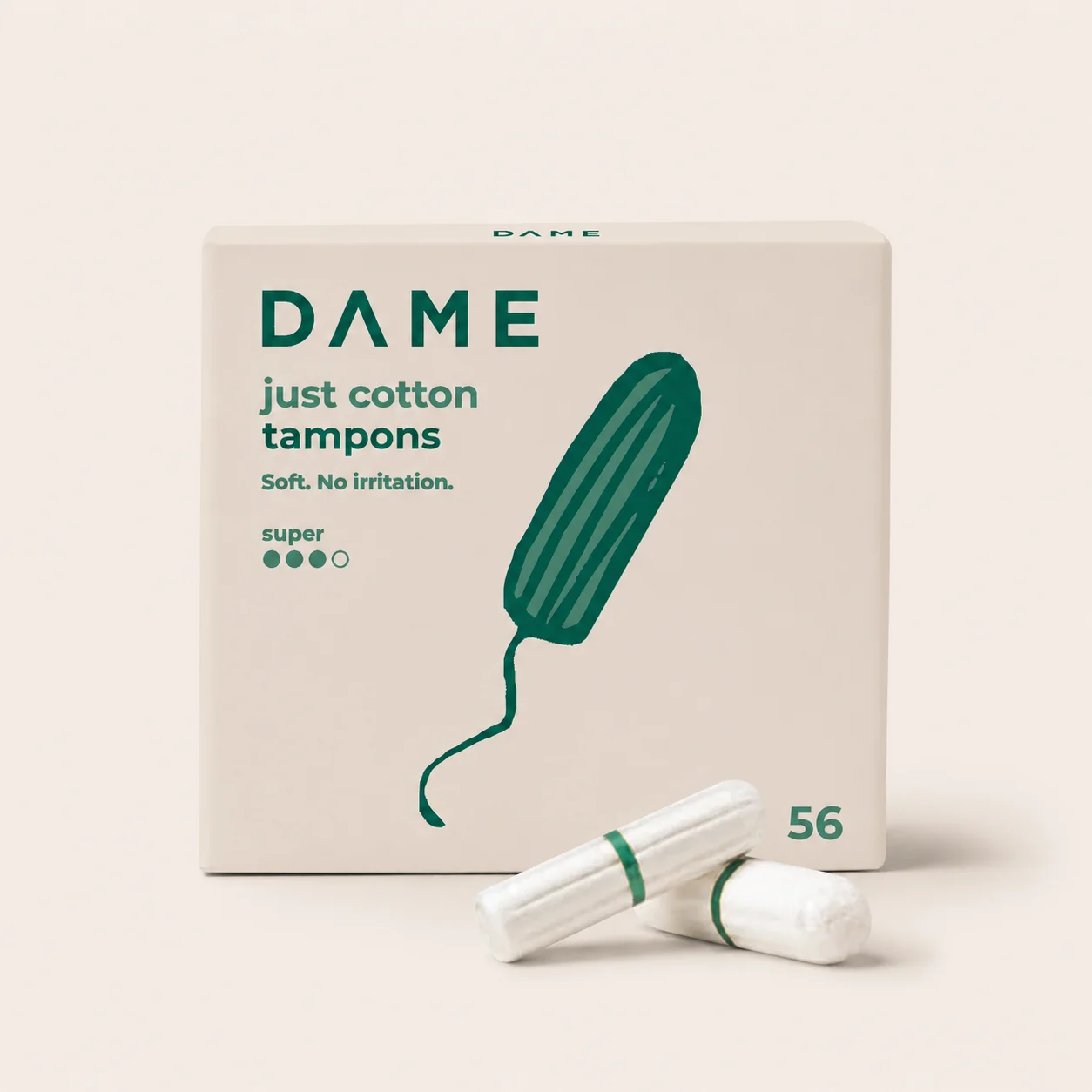 70Dame Organic Cotton Tampons
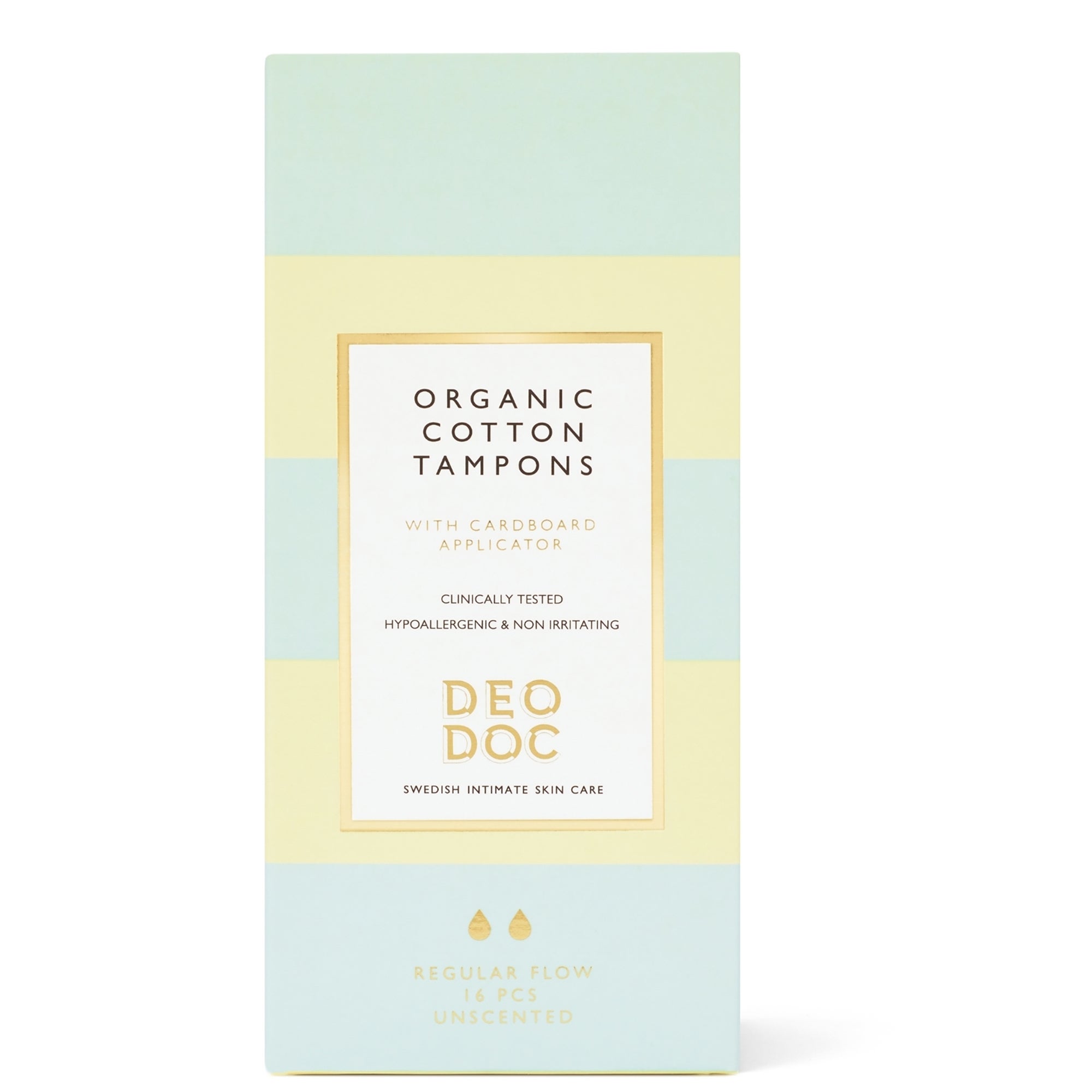 70DeoDoc Cotton Tampons
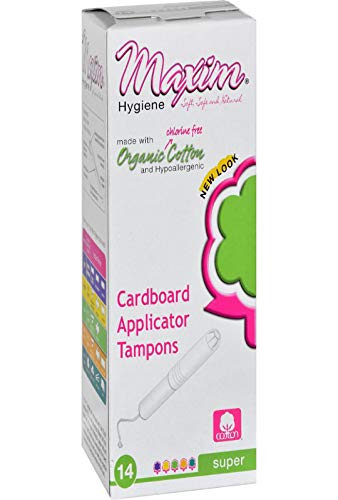 70Maxim Hygiene Organic Cotton Cardboard Applicator Tampons
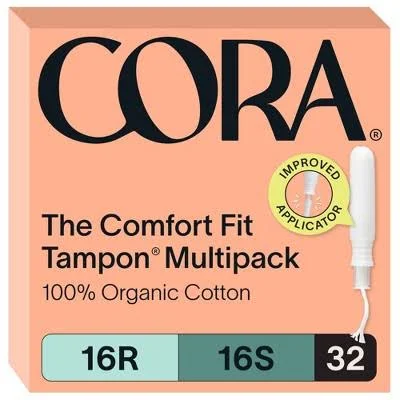 70Cora Organic Tampons
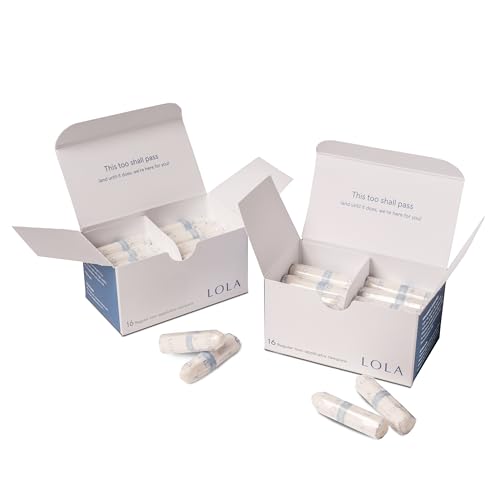 70Lola 100% Organic Cotton Tampons Applicator Free
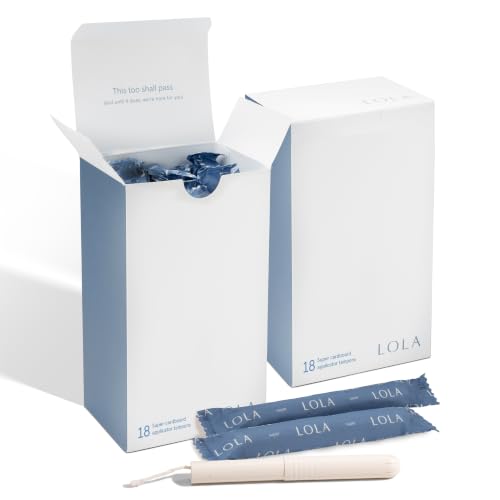 70Lola 100% Organic Cotton Tampons Cardboard Applicator
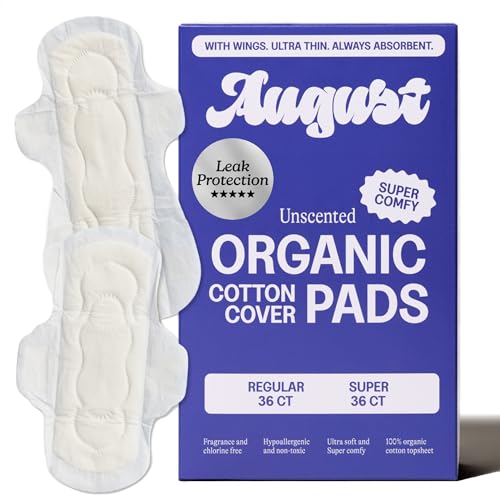 70August Organic Cotton Top Layer Pads, 36-Pack Regular
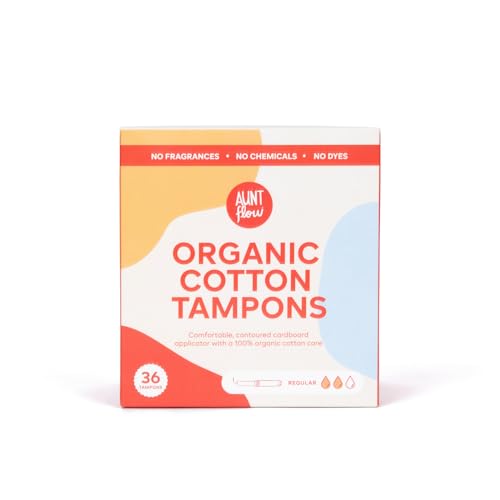 70Aunt Flow Organic Cotton Cardboard Applicator TamponsCompare vs Natracare →All period care →
How we score, every product runs through the same public 0-100 rubric based on materials, coatings, brand disclosure, lab findings, and recalls. See the full methodology → Spotted a mistake? Report an error.