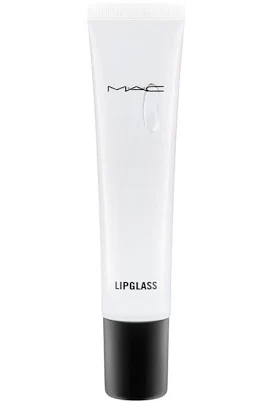
MAC · Lip Balm & Long-Wear Lipstick
MAC Mini Lipglass
Lower concern; cosmetic lip product unlikely to contain PFAS, but no brand disclosure.
This liquid cosmetic product contains no known PFAS-prone features like waterproofing or nonstick treatments. MAC makes no public PFAS claims.
We flunk more products than we pass. This one earned its grade. How we grade
Material
liquid cosmetic gloss (oil/wax/silicone base)
Lab data
No public lab test
You may also be interested in
Top-graded picks in the categories readers replace first, every one scored on the same rubric.

- polypropylene filter housing, carbon/sediment cartridge
- We found no PFAS statement from the brand
- Bacterial growth in spent cartridges
3 hazards checked on this product, all on its full breakdown.

Aquasure
Premier Series 75 GPD Under Sink Reverse Osmosis Water Filtration System
- RO membrane, carbon filters, stainless steel housing
- We found no PFAS statement from the brand
- Bacterial and microbial growth in housing and filters
4 hazards checked on this product, all on its full breakdown.

Avocado
Vegan Mattress
- organic cotton, natural latex, coconut coir, recycled steel coils
- The brand calls it PFAS-free, which we have not verified
- Heavy metals
2 hazards checked on this product, all on its full breakdown.
What MAC Mini Lipglass is made of, ingredients and materials
MAC Lipglass is a liquid cosmetic formulation typically based on silicones, oils, waxes, and film-forming resins, with colorants and fragrance. This material class (silicone-based glosses) is generally stable on skin and does not degrade under normal use conditions. The liquid format means no thermal processing risk during application, unlike powder cosmetics or products exposed to heat. Silicone bases are non-absorbent and designed to sit on the lip surface, minimizing systemic exposure to ingredients.
What’s concerning
Category baseline
The starting point for this type of product, before anything specific to this product is counted.
No PFAS disclosure
No public statement from the brand about PFAS in this product.
Fragrance allergens (unspecified composition)
MAC Lipglass lists 'fragrance' as an ingredient without breaking down component allergens; individuals with fragrance sensitivity may react, though lip application limits systemic exposure.
1,4-dioxane contamination (manufacturing byproduct)
Silicone and polysorbate ingredients used in glosses can carry trace 1,4-dioxane from manufacturing; MAC does not disclose testing for this contaminant, a known issue in mainstream cosmetics.
Silicone accumulation on lip barrier
Repeated daily silicone gloss use may create buildup that temporarily occludes the lip surface, potentially trapping moisture or bacteria; not a safety hazard per se but a texture/hygiene concern for sensitive individuals.
Bacterial growth in applicator wand (user-storage dependent)
Liquid cosmetics with water or glycerin content can support microbial growth if the wand contacts contaminated surfaces or if the product is stored in warm, humid environments; this is a use-practice risk, not a formulation defect.
What’s reassuring
Base material not linked to PFAS
The main material recorded for this product is not one associated with PFAS.
Heavy metals
No recalls or testing data on file for MAC Lipglass specifically; cosmetic-grade pigments are regulated by the FDA but not independently verified for lead or cadmium in this product.
Source, FDA ↗How is this PFAS grade calculated?
The brand's record and disclosure
MAC (Estee Lauder subsidiary) does not publicly disclose full ingredient safety testing or PFAS screening for lip products, despite operating in the US and EU where cosmetic disclosure standards are established. The brand provides ingredient lists on packaging and websites but does not publish third-party certifications (e.g., dermatologist-tested claims are not standardized verification). MAC has no documented recalls or safety violations specific to Lipglass formulations on record with the FDA or consumer safety databases. The brand's silence on PFAS and chemical safety is typical of mainstream cosmetics companies but represents a transparency gap.
How it compares in its category
Liquid silicone-based glosses like MAC Lipglass are among the lowest-risk lip products in terms of particulate contamination and coating stability compared to powder blushes or metallic finishes. No major competitors (Fenty, NARS, Charlotte Tilbury) disclose PFAS testing either, making this category-wide. MAC's formula is middle-of-road, it avoids extreme fluorescent dyes and heavy fragrance loads common in budget glosses, but offers no certifications (organic, clean beauty, heavy-metal tested) that some premium or indie brands now provide. The product shows lower concern relative to category norms.
If you buy it
Apply as directed (thin layer on lips); no special precautions needed for normal use. Replace if the applicator wand shows visible mold or bacterial growth (sign of contamination or extended storage in humid conditions). Store in a cool, dry place away from direct sunlight to prevent silicone and wax separation. Do not ingest or apply to broken skin; if irritation or allergic reaction occurs (rare but possible with fragrance or dyes), discontinue and consult a dermatologist. Shelf life is typically 2-3 years unopened, 1 year after opening.
What is not known about PFAS in this product?
- Basis
- Model estimate, 72% confidence, not a lab result
- Lab test
- None on record for this exact product
- Brand statement
- MAC has made a specific claim
Formulations change between production runs, so check the current label. How we grade.
More lip balm & long-wear lipstick grades
How we score, every product runs through the same public 0-100 rubric based on materials, coatings, brand disclosure, lab findings, and recalls. See the full methodology → Spotted a mistake? Report an error.