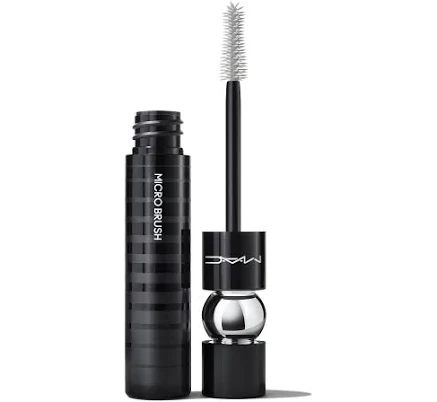
MAC Stack Mascara
Skip until MAC discloses waterproofing chemistry.
MAC doesn't publicly reveal the waterproofing chemistry in this mascara. Waterproof products commonly use Teflon-family coating to achieve water resistance.
The better-graded swap
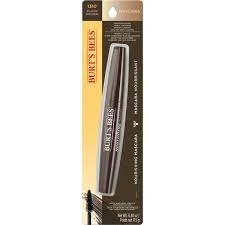
Burt's Bees
Burt's Bees 100% Natural Nourishing Mascara, Black Brown
75/100 safety
Same rubric that flunked this product. The swap earned Excellent.
Still want this one anyway? Check the price on Amazon. We’d swap it.
Material
wax, film-forming polymers, waterproofing agents (unspecified)
Lab data
No public lab test
You may also be interested in
Top-graded picks in the categories readers replace first, every one scored on the same rubric.

- polypropylene filter housing, carbon/sediment cartridge
- We found no PFAS statement from the brand
- Bacterial growth in spent cartridges
3 hazards checked on this product, all on its full breakdown.

Aquasure
Premier Series 75 GPD Under Sink Reverse Osmosis Water Filtration System
- RO membrane, carbon filters, stainless steel housing
- We found no PFAS statement from the brand
- Bacterial and microbial growth in housing and filters
4 hazards checked on this product, all on its full breakdown.

Avocado
Vegan Mattress
- organic cotton, natural latex, coconut coir, recycled steel coils
- The brand calls it PFAS-free, which we have not verified
- Heavy metals
2 hazards checked on this product, all on its full breakdown.
What MAC Stack Mascara is made of, ingredients and materials
MAC Stack Mascara uses wax and film-forming polymers as its base, which coat and thicken lashes. The waterproofing mechanism relies on unspecified waterproofing agents, which in mascaras typically include silicones or fluorinated compounds that resist water breakdown. Because MAC does not publicly disclose the specific chemistry of these waterproofing agents, the exact risk profile for water-resistant properties cannot be fully assessed. This opacity is the core concern, separate from standard mascara chemistry.
What’s concerning
Category baseline
The starting point for this type of product, before anything specific to this product is counted.
No PFAS disclosure
No public statement from the brand about PFAS in this product.
Waterproof / stain-resistant treatment
Water-repellent coating treatments have historically used PFAS.
PFAS
MAC Stack's waterproofing chemistry is not disclosed. Industry data shows waterproof mascaras frequently contain fluorinated compounds or PFAS-adjacent polymers; MAC's poor PFAS grade (30/100) and silent stance suggest potential concern, though specific compound identity is unknown.
Source, ATSDR ↗Film-forming polymer residue and microfiber shedding
Polymer-based mascaras can shed microfibers into the eye, particularly with poor removal or lash friction. No specific safety issue with MAC Stack documented, but wax-polymer formulations are inherently prone to this if not removed gently.
Fragrance allergens and ocular irritation
Mascaras typically contain fragrance compounds. MAC Stack's full fragrance list is not publicly itemized. Sensitive eyes may react to undisclosed fragrances; formaldehyde releasers are not commonly reported in MAC mascaras, but contact sensitivity is individual.
Bacterial colonization if stored or capped improperly
All liquid mascaras, including wax-based formulas, can harbor bacteria if caps are left loose or the product is stored in warm/humid conditions. Not unique to MAC Stack but a standard mascara hygiene concern; no brand-specific microbial contamination on record.
What’s reassuring
Heavy metals
MAC Stack uses standard iron oxide pigments for black color. No recalls or reported heavy metal contamination in MAC mascaras. Estee Lauder discloses compliance with cosmetic heavy metal limits, though full pigment sourcing is not public.
Source, FDA ↗How is this PFAS grade calculated?
The brand's record and disclosure
MAC Cosmetics (Estee Lauder-owned) has not published detailed ingredient breakdowns or sustainability/safety certifications for mascara formulations beyond standard label compliance. The brand maintains no publicly available PFAS policy or waterproofing agent disclosure despite the widespread industry shift toward transparency in this area. No major product recalls or formaldehyde/heavy metal contaminations are on record for MAC mascaras, but the silence on water-resistance chemistry is inconsistent with competitors like Maybelline and Clinique, which have begun specifying alternatives.
How it compares in its category
Waterproof mascaras as a category carry higher scrutiny than non-waterproof types because the waterproofing agents are often the least transparent ingredient. MAC Stack sits in the mid-to-premium tier; similar products from Estee Lauder subsidiaries (Clinique Lash Power) and mass-market rivals (Maybelline Lash Sensational) increasingly disclose polymer and silicone use but still vary on fluorinated additives. Prestige brands have not uniformly adopted fluorine-free waterproofing, making MAC's silence typical for its price point but not a pass on safety grounds.
If you buy it
Apply mascara only to the upper lash line and avoid skin contact during removal to minimize ocular irritation. Remove with a proper makeup remover (micellar water or oil-based cleanser) rather than harsh rubbing, which can damage the lash and increase microfiber shedding into the eye. Replace the mascara every 3 months or sooner if clumping or odor develops, as wax and polymer formulations degrade and can harbor bacteria. Do not use on children or if you have known sensitivities to fragrances or film-forming resins.
What is not known about PFAS in this product?
- Basis
- Model estimate, 35% confidence, not a lab result
- Lab test
- None on record for this exact product
- Brand statement
- MAC has made a specific claim
Formulations change between production runs, so check the current label. How we grade.
What are the PFAS-free alternatives to MAC Stack Mascara?
- Wax, pigments, natural oils (typical mascara base)
- Fragrance allergens and undisclosed sensitizers
2 hazards checked on this product, all on its full breakdown.
- pigments, waxes, polymers (unspecified)
- Lead
5 hazards checked on this product, all on its full breakdown.
Find an alternative on Amazon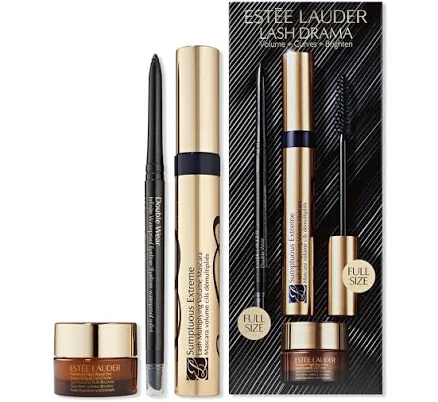
- pigments, waxes, film-formers in liquid mascara
- Heavy metals
5 hazards checked on this product, all on its full breakdown.
Find an alternative on AmazonMore waterproof mascara grades
How we score, every product runs through the same public 0-100 rubric based on materials, coatings, brand disclosure, lab findings, and recalls. See the full methodology → Spotted a mistake? Report an error.