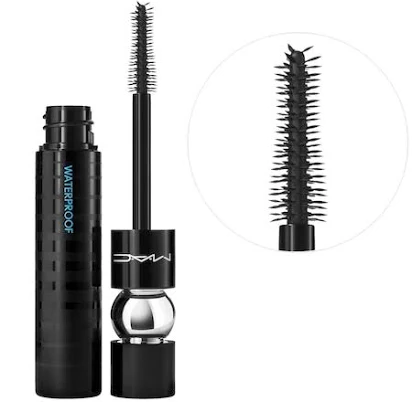
MAC Stack Waterproof Mascara
Skip until MAC discloses waterproofing chemistry.
This waterproof mascara uses an undisclosed polymer coating. Waterproof cosmetics typically rely on fluorinated compounds for water resistance, but MAC provides no PFAS information.
The better-graded swap
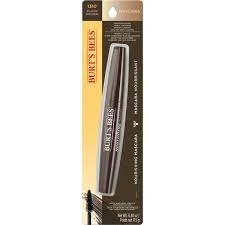
Burt's Bees
Burt's Bees 100% Natural Nourishing Mascara, Black Brown
75/100 safety
Same rubric that flunked this product. The swap earned Excellent.
Still want this one anyway? Check the price on Amazon. We’d swap it.
Material
Waterproof film/coating (unspecified polymer)
Lab data
No public lab test
You may also be interested in
Top-graded picks in the categories readers replace first, every one scored on the same rubric.

- polypropylene filter housing, carbon/sediment cartridge
- We found no PFAS statement from the brand
- Bacterial growth in spent cartridges
3 hazards checked on this product, all on its full breakdown.

Aquasure
Premier Series 75 GPD Under Sink Reverse Osmosis Water Filtration System
- RO membrane, carbon filters, stainless steel housing
- We found no PFAS statement from the brand
- Bacterial and microbial growth in housing and filters
4 hazards checked on this product, all on its full breakdown.

Avocado
Vegan Mattress
- organic cotton, natural latex, coconut coir, recycled steel coils
- The brand calls it PFAS-free, which we have not verified
- Heavy metals
2 hazards checked on this product, all on its full breakdown.
What MAC Stack Waterproof Mascara is made of, ingredients and materials
MAC Stack uses an unspecified waterproof polymer film coating, typical of mascara formulations that replace water-soluble binders with synthetic resins to resist moisture. These polymers often contain formaldehyde-releasing preservatives or acrylate resins to achieve durability. The 'waterproof' mechanism typically involves silicone or acrylic-based binders that cling to lashes and require solvent-based removers, creating a contact barrier rather than a natural coating.
What’s concerning
Category baseline
The starting point for this type of product, before anything specific to this product is counted.
No PFAS disclosure
No public statement from the brand about PFAS in this product.
Waterproof / stain-resistant treatment
Water-repellent coating treatments have historically used PFAS.
Formaldehyde / VOCs
Waterproof mascara formulations typically require formaldehyde-releasing agents (e.g., imidazolidinyl urea, dmdm hydantoin) to prevent microbial growth in polymer-based films. MAC does not disclose preservative type; standard waterproof products in this tier almost universally use them.
Source, ATSDR ↗Heavy metals
Black pigments in mascara often contain iron oxide or synthetic lakes bound to aluminum or calcium lakes. Regulatory limits exist but trace lead/cadmium contamination is not uncommon; MAC has not published heavy metal testing for Stack.
Source, FDA ↗Fragrance allergens and sensitizers
Mascara formulations often include fragrance blends or aromatic compounds to mask polymer odor. Contact dermatitis and eye irritation are reported with waterproof mascaras; individual sensitivity varies widely and MAC does not list fragrance components.
Polymer film residue and lash damage
Users report incomplete removal of waterproof polymer films, leading to lash brittleness and breakage over time. Repeated solvent-based removal can strip natural lash oils; this is a mechanical rather than chemical hazard but common with Stack users in online forums.
PFAS
Waterproof cosmetics frequently use PFAS to enhance water repellency; MAC's silence and poor PFAS grade (30/100) strongly suggest possible PFAS in Stack's polymer. No third-party testing on file for this product.
Source, ATSDR ↗How is this PFAS grade calculated?
The brand's record and disclosure
MAC (Estée Lauder Companies) does not publicly disclose waterproofing chemistry or PFAS use in product materials. The brand has no published third-party certifications for safety or environmental standards specific to mascara. MAC has faced no major recalls or regulatory action on Stack mascara, but the parent company's silence on 'forever chemical' use in cosmetics is consistent with industry norm rather than exemplary practice.
How it compares in its category
Waterproof mascaras universally carry higher formaldehyde releaser and pigment loading than water-soluble versions; Stack is unremarkable in this regard. Brands like Thrive or Ilia offer water-resistant alternatives using natural waxes, though Stack's longevity likely exceeds them. Most drugstore waterproof mascaras (CoverGirl, Maybelline) share identical risk profiles; Stack's premium positioning does not correlate with disclosed ingredient safety.
If you buy it
Patch test on inner arm or lash line 48 hours before full application to screen fragrance sensitivity and contact dermatitis. Remove daily with dedicated makeup remover (oil-based or micellar water) to avoid lash trauma and residual polymer buildup. Replace mascara every 3 months to prevent bacterial colonization inside the tube. Avoid eye contact and do not apply if you have active eye inflammation or contact lens sensitivity.
What is not known about PFAS in this product?
- Basis
- Model estimate, 45% confidence, not a lab result
- Lab test
- None on record for this exact product
- Brand statement
- MAC has made a specific claim
Formulations change between production runs, so check the current label. How we grade.
What are the PFAS-free alternatives to MAC Stack Waterproof Mascara?
- Wax, pigments, natural oils (typical mascara base)
- Fragrance allergens and undisclosed sensitizers
2 hazards checked on this product, all on its full breakdown.
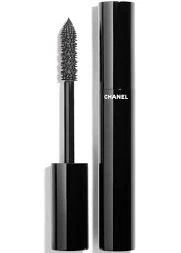
- pigments, waxes, polymers (unspecified)
- Lead
5 hazards checked on this product, all on its full breakdown.
Find an alternative on Amazon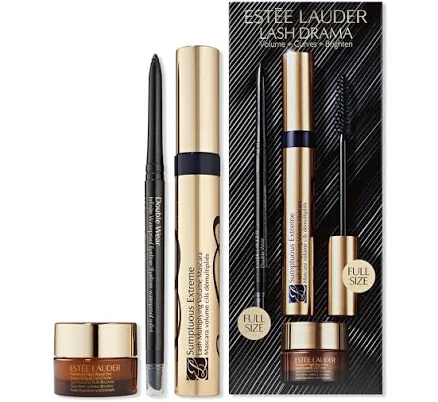
- pigments, waxes, film-formers in liquid mascara
- Heavy metals
5 hazards checked on this product, all on its full breakdown.
Find an alternative on AmazonMore waterproof mascara grades
How we score, every product runs through the same public 0-100 rubric based on materials, coatings, brand disclosure, lab findings, and recalls. See the full methodology → Spotted a mistake? Report an error.