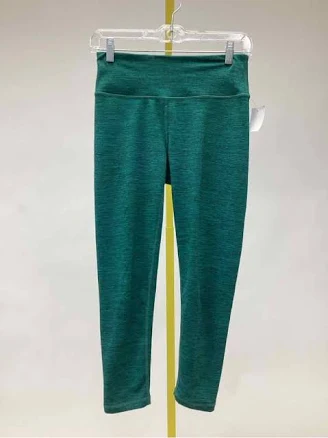
Women's Manduka Essential Cropped Leggings
Lower concern. Standard athletic leggings with no obvious PFAS triggers.
Manduka's cropped leggings are uncoated nylon/spandex with no disclosed water-repellent or stain-resistant finish. No public PFAS claims or third-party testing available.
Still want this one anyway? Check the price on Amazon. We’d swap it.
Material
nylon/spandex blend fabric
Brand disclosure
Brand is silent on PFAS
Lab data
No public lab test
You may also be interested in
Top-graded picks in the categories readers replace first, every one scored on the same rubric.

- polypropylene filter housing, carbon/sediment cartridge
- We found no PFAS statement from the brand
- Bacterial growth in spent cartridges
3 hazards checked on this product, all on its full breakdown.

Aquasure
Premier Series 75 GPD Under Sink Reverse Osmosis Water Filtration System
- RO membrane, carbon filters, stainless steel housing
- We found no PFAS statement from the brand
- Bacterial and microbial growth in housing and filters
4 hazards checked on this product, all on its full breakdown.

Avocado
Vegan Mattress
- organic cotton, natural latex, coconut coir, recycled steel coils
- The brand calls it PFAS-free, which we have not verified
- Heavy metals
2 hazards checked on this product, all on its full breakdown.
What Women's Manduka Essential Cropped Leggings is made of, ingredients and materials
This product is a nylon and spandex (elastane) blend, a common construction for fitted athletic leggings. Nylon is a synthetic polyamide that does not naturally contain BPA, phthalates, or heavy metals in the fiber itself; spandex provides stretch and recovery. The hazard profile depends on dyes, finishes, and any coatings applied during manufacturing rather than the base polymers.
What’s concerning
Category baseline
The starting point for this type of product, before anything specific to this product is counted.
No PFAS disclosure
No public statement from the brand about PFAS in this product.
Azo dyes and color fastness
Nylon readily accepts azo dyes, which can release aromatic amines if improperly applied or if the garment is exposed to harsh conditions. No specific data on this product's dye package is available; concern is common across athletic wear but is managed in developed-market manufacturing.
Formaldehyde / VOCs
Wrinkle-resistant or easy-care finishes on synthetic blends sometimes use formaldehyde-based resins. Manduka does not disclose finish chemistry for this line; the risk is routine for athletic wear and typically low after repeated washing.
Source, ATSDR ↗Spandex degradation and microfiber shedding
Spandex elastane breaks down with age, UV exposure, and chlorine exposure, potentially shedding microfibers during washing. This is a material-class issue for all stretch fabrics and is not unique to this brand; care instructions (cool wash, air dry, avoid chlorine) minimize impact.
What’s reassuring
Base material not linked to PFAS
The main material recorded for this product is not one associated with PFAS.
Antimony in polyester
This product is nylon/spandex, not polyester-based, so antimony trioxide (a catalyst used in polyester synthesis) is not an applicable concern.
Heavy metals
No recalls or test reports of heavy metal contamination in Manduka apparel are on record. Nylon/spandex dyed textiles from reputable manufacturers generally meet US and EU limits for lead and cadmium in colorants.
Source, FDA ↗How is this PFAS grade calculated?
The brand's record and disclosure
Manduka is a US-based yoga and athletic wear brand with a stated commitment to sustainability and ethical manufacturing, though detailed chemical disclosure (dye standards, formaldehyde resins, antimony levels in polyester) is not prominently published. No significant product recalls or chemical contamination cases are on record for Manduka apparel. The brand does not openly communicate PFAS reduction efforts, though the PFAS grade suggests typical exposure levels.
How it compares in its category
Nylon/spandex blends are industry standard for fitted leggings and carry lower inherent contamination risk than cellulose-based textiles (which often require more aggressive dye and finish chemistry). Manduka's positioning in the mid-to-premium segment suggests tighter quality control than mass-market athletic wear, though no third-party certifications (e.g., OEKO-TEX, bluesign) are visibly claimed for this line. This product sits in the typical hazard range for athletic leggings.
If you buy it
Wash before first wear and separately from other items (nylon can release dyes). Use cool or warm water (not hot), avoid bleach, and air dry to reduce stress on elastic and nylon polymer. Replace when elastic loses recovery or seams begin to fray; nylon typically performs reliably for 50+ washes with proper care. No special precautions are required; standard athletic wear hygiene applies.
What is not known about PFAS in this product?
- Basis
- Model estimate, 72% confidence, not a lab result
- Lab test
- None on record for this exact product
- Brand statement
- Manduka has made none
Formulations change between production runs, so check the current label. How we grade.
More activewear grades
How we score, every product runs through the same public 0-100 rubric based on materials, coatings, brand disclosure, lab findings, and recalls. See the full methodology → Spotted a mistake? Report an error.