Marmot · Waterproof Outdoor Gear Storage Bags
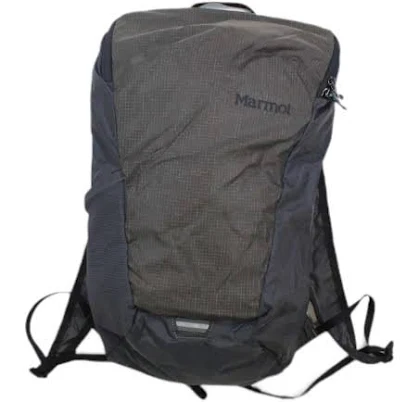
Marmot Kompressor Comet Backpack
Backpack with water-repellent coating; Marmot silent on PFAS treatment details.
This backpack uses durable nylon fabric finished with water-repellent treatment for outdoor durability. Marmot does not publicly explain what its water-repellent coating contains or whether PFAS is involved.
Still want this one anyway? Check the price on Amazon. We’d swap it.
Material
nylon fabric with water-repellent coating water-repellent coating
Lab data
No public lab test
What Marmot Kompressor Comet Backpack is made of, ingredients and materials
The Kompressor Comet uses nylon fabric treated with a water-repellent coating (water-repellent coating) coating. water-repellent coating treatments historically contained long-chain PFAS, though many brands have shifted to fluorine-free alternatives in recent years; Marmot has not disclosed which type is used here. Nylon itself is stable and does not leach chemicals during normal use, but the coating's composition and longevity under UV and mechanical stress are the primary concern.
What’s concerning
Category baseline
The starting point for this type of product, before anything specific to this product is counted.
No PFAS disclosure
No public statement from the brand about PFAS in this product.
Waterproof / stain-resistant treatment
Water-repellent coating treatments have historically used PFAS.
water-repellent coating degradation and particle release
Fluorinated water-repellent coating coatings can degrade through wear, UV exposure, and washing, potentially releasing microparticles or residual coating compounds. No specific testing of Marmot's coating durability or particle shedding is publicly available, but mechanical wear of nylon-based technical fabrics is well-documented.
Contact dermatitis from water-repellent coating or dye residues
Residual coating or dye compounds on new fabrics can cause skin irritation in sensitive individuals, particularly if worn against bare skin. Standard practice is to wash the backpack or wear layers before extended contact.
What’s reassuring
Formaldehyde / VOCs
Nylon fabric manufacturing can involve formaldehyde-based resins for wrinkle resistance or finish stabilization. Marmot does not disclose use of such agents in this product; no recalls or complaints attributable to formaldehyde are on record for this backpack model.
Source, ATSDR ↗Azo dyes in fabric coloring
If the nylon is dyed with azo colorants, they can release aromatic amines under sweat or alkaline conditions, though this risk is low for backpack exterior fabrics. No testing or disclosure from Marmot regarding dye composition is available.
Heavy metals
Printed logos or decorative patches on outdoor gear can contain heavy metal pigments (e.g., cadmium-based inks). The Kompressor Comet's printed branding has not been tested; no public recalls exist, but disclosure is absent.
Source, FDA ↗The full breakdown
The brand's record and disclosure
Marmot is owned by Cascade Designs (a subsidiary of Helen of Troy) and has not made public commitments to PFAS phase-out or published ingredient disclosures for their water-repellent coating treatments. The brand does not appear on major PFAS-committed manufacturer lists (e.g., ZDHC Gateway certifications or bluesign standards). This silence means consumers cannot verify whether the backpack uses legacy PFAS or alternatives with lower concern. No recalls or documented chemical safety incidents specific to Marmot backpacks are on record.
How it compares in its category
Most technical backpack brands use some form of water-repellent coating; Marmot's approach is standard for the price point and performance tier. Competitor brands like Patagonia and Arc'teryx have begun disclosing PFAS phase-outs or use certified fluorine-free water-repellent coating (e.g., Bluesign-approved coatings). The Kompressor Comet sits in a mid-market space where transparency lags behind premium outdoor brands. For a backpack at this price and function, the lack of disclosure is a relative weakness.
If you buy it
Store the backpack in a cool, dry place away from prolonged direct sunlight, which can degrade the water-repellent coating over time. Wash with cool water and mild soap if needed; avoid machine washing and heat drying, which can strip the coating and potentially release particles. Inspect the exterior regularly for peeling, cracking, or discoloration of the water-repellent coating layer, which signals coating breakdown. If the water-repellent coating noticeably fails (water no longer beads), consider retiring the bag or seeking re-treatment from a certified service that uses PFAS-free products.
What we don’t know
- Basis
- Model estimate, 35% confidence, not a lab result
- Lab test
- None on record for this exact product
- Brand statement
- Marmot has made a specific claim
Formulations change between production runs, so check the current label. How we grade.
Better-graded alternatives in Waterproof Outdoor Gear Storage Bags
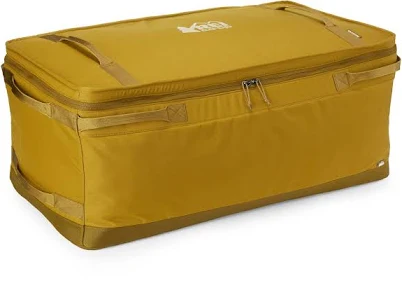
REI Co-op
Trailgate Gear Bin Green 140 L
- Polypropylene storage bin, no water-resistant coating mentioned
- UV degradation and additive leaching
3 hazards checked on this product. See all of them.
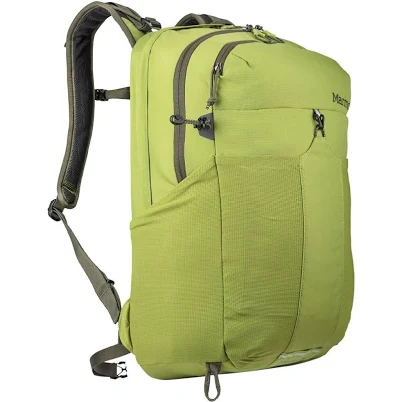
Marmot
Tool Box
- Nylon, polyester, cotton blend; details unspecified
- Volatile organic compounds (VOCs) from polyester and nylon manufacturing
5 hazards checked on this product. See all of them.
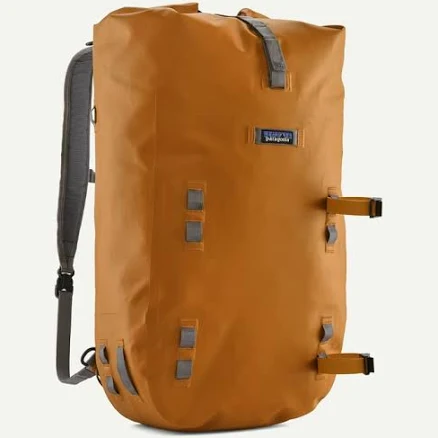
Patagonia
Disperser Roll Top Pack 40L
- Recycled polyester with water-repellent coating (water-repellent coating) finish
- The brand calls it PFAS-free, which we have not verified
- PFAS
4 hazards checked on this product. See all of them.
More waterproof outdoor gear storage bags grades
How we score, every product runs through the same public 0-100 rubric based on materials, coatings, brand disclosure, lab findings, and recalls. See the full methodology → Spotted a mistake? Report an error.