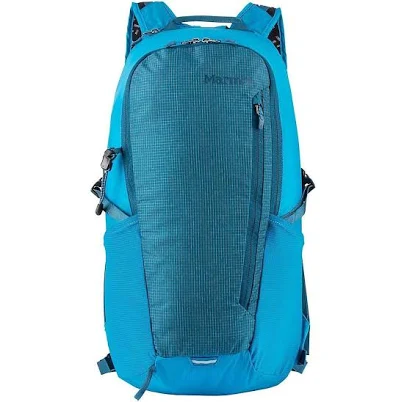
Marmot · Waterproof Outdoor Gear Storage Bags
Marmot Kompressor Meteor 22 Backpack
Outdoor backpack with likely water-repellent coating; Marmot does not disclose PFAS.
Marmot's Kompressor line uses durable nylon with water-repellent coating treatment typical of outdoor backpacks. The brand makes no public statement about its water-repellent coating formula or PFAS content.
Still want this one anyway? Check the price on Amazon. We’d swap it.
Material
Nylon with water-repellent coating water-repellent treatment
Lab data
No public lab test
What Marmot Kompressor Meteor 22 Backpack is made of, ingredients and materials
The Kompressor Meteor 22 is constructed primarily from nylon fabric treated with a water-repellent coating (water-repellent coating) finish. water-repellent coating treatments on outdoor gear are typically fluorinated compounds applied to the surface to shed water without creating a waterproof membrane that traps moisture. Nylon itself is stable and does not off-gas formaldehyde or volatile organic compounds at normal temperatures, but the chemical composition and toxicity of the water-repellent coating treatment applied to this specific product remains unconfirmed by public data.
What’s concerning
Category baseline
The starting point for this type of product, before anything specific to this product is counted.
No PFAS disclosure
No public statement from the brand about PFAS in this product.
Waterproof / stain-resistant treatment
Water-repellent coating treatments have historically used PFAS.
Fluorinated water-repellent coating (surface treatment)
Nylon backpacks routinely use fluorinated water repellents; Marmot does not specify which type. Fluorinated water-repellent coating coatings may shed PFAS into water during washing or degradation, though actual migration from a finished backpack during use is minimal. Graded separately under PFAS assessment.
Coating degradation and leaching over time
As the water-repellent coating ages or is exposed to washing, UV light, or abrasion, the fluorinated or alternative water-repellent chemicals may shed into the environment or wash water. Long-term migration into skin contact is low, but washing frequency and water disposal practices affect total PFAS release.
What’s reassuring
Formaldehyde / VOCs
No formaldehyde-based finishing resins are standard in nylon water-repellent coating backpack production. Formaldehyde hazards are typical of cellulose fabrics (cotton, rayon) and some synthetic blend wrinkle finishes, not pure nylon with water-repellent coatings.
Source, ATSDR ↗Azo dyes in nylon coloring
No recalls or reports of azo dye use in Marmot backpacks. Azo dyes are controlled in EU markets and generally avoided by major outdoor brands; this product shows no documentation of dye-related contamination or heavy metal leaching.
Antimony in polyester (not applicable here)
The Kompressor Meteor 22 is nylon-based, not polyester. Antimony is a catalyst residue in polyester production, not relevant to this product.
The full breakdown
The brand's record and disclosure
Marmot does not publicly disclose whether its water-repellent coating treatments are fluorinated or fluorine-free alternatives. The company has made no formal commitment to eliminating PFAS from its product line, unlike some competing outdoor brands (Arc'teryx, Patagonia) that have begun transitioning to non-fluorinated water repellents. No recalls, formaldehyde violations, or heavy metal contamination have been documented for Marmot backpacks in consumer safety databases.
How it compares in its category
Most mainstream outdoor backpacks in this price range use nylon with fluorinated water-repellent coating, making the Kompressor Meteor 22 typical rather than distinctive. Premium alternatives from brands with transparent PFAS reduction programs (Patagonia, REI Co-op) increasingly use fluorine-free water-repellent coating or natural water resistance, but at higher cost. Budget alternatives often use polyester, which carries different environmental hazards; nylon is generally preferred for durability and does not degrade into microplastics more readily than polyester under normal use.
If you buy it
Wash and dry the backpack only as needed to preserve the water-repellent coating; heat exposure (hot water, high-temperature machine drying) can degrade water repellency and potentially accelerate leaching of coating chemicals. Store in a cool, dry place away from direct sunlight to minimize UV breakdown of nylon fibers and the water-repellent coating layer. If the water-repellent finish visibly degrades or ceases to work, consider replacement rather than aggressive re-treatment, which may apply additional chemical layers. No special precautions are needed during normal use; the water-repellent coating is not volatile or dermal hazard under typical handling.
What we don’t know
- Basis
- Model estimate, 45% confidence, not a lab result
- Lab test
- None on record for this exact product
- Brand statement
- Marmot has made a specific claim
Formulations change between production runs, so check the current label. How we grade.
Better-graded alternatives in Waterproof Outdoor Gear Storage Bags
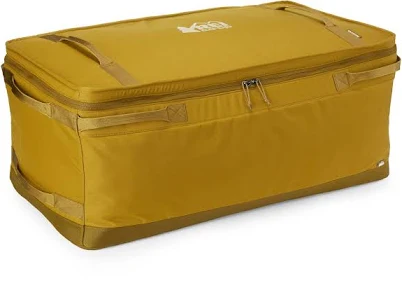
REI Co-op
Trailgate Gear Bin Green 140 L
- Polypropylene storage bin, no water-resistant coating mentioned
- UV degradation and additive leaching
3 hazards checked on this product. See all of them.
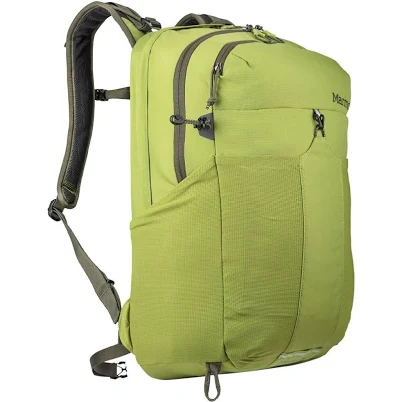
Marmot
Tool Box
- Nylon, polyester, cotton blend; details unspecified
- Volatile organic compounds (VOCs) from polyester and nylon manufacturing
5 hazards checked on this product. See all of them.
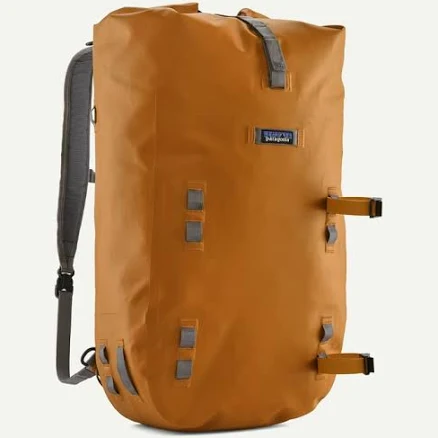
Patagonia
Disperser Roll Top Pack 40L
- Recycled polyester with water-repellent coating (water-repellent coating) finish
- The brand calls it PFAS-free, which we have not verified
- PFAS
4 hazards checked on this product. See all of them.
More waterproof outdoor gear storage bags grades
How we score, every product runs through the same public 0-100 rubric based on materials, coatings, brand disclosure, lab findings, and recalls. See the full methodology → Spotted a mistake? Report an error.