Marmot · Waterproof Outdoor Gear Storage Bags
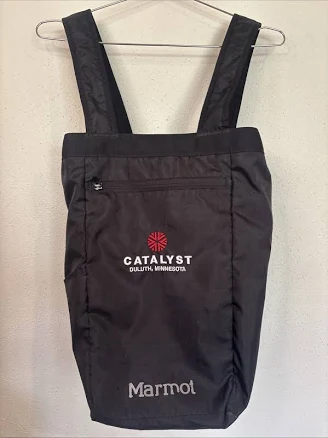
Marmot Urban Hauler Catalyst Duluth Mn Backpack Tote Black Dry Bag
Waterproof dry bag backpack tote; water-repellent coating treatment likely but chemistry unknown.
This dry bag combines nylon or polyester with waterproof water-repellent coating for outdoor storage. Marmot does not publicly state what water-repellent coating chemicals it uses or whether PFAS appears in the treatment.
Still want this one anyway? Check the price on Amazon. We’d swap it.
Material
Nylon or polyester with waterproof water-repellent coating
Lab data
No public lab test
What Marmot Urban Hauler Catalyst Duluth Mn is made of, ingredients and materials
The Marmot Urban Hauler is constructed from nylon or polyester fabric with a water-repellent coating (water-repellent coating) coating applied to achieve waterproofing. water-repellent coating treatments on outdoor gear historically rely on fluorinated compounds (PFAS variants) to create the water-shedding barrier, though Marmot does not publicly disclose which chemistry is used on this model. The base nylon or polyester itself is stable and not a primary concern; the coating is the variable element in long-term safety.
What’s concerning
Category baseline
The starting point for this type of product, before anything specific to this product is counted.
No PFAS disclosure
No public statement from the brand about PFAS in this product.
Waterproof / stain-resistant treatment
Water-repellent coating treatments have historically used PFAS.
water-repellent coating degradation and particle shedding
Fluorinated or non-fluorinated water-repellent coating coatings on nylon gradually flake and shed with wear and washing. Direct ingestion risk is low in normal backpack use, but repeated contact with the coating, especially on seams or high-friction areas, may result in microparticle exposure over time.
Formaldehyde / VOCs
Water-repellent coating and water-resistant coatings sometimes rely on formaldehyde-releasing resins as binders. Marmot does not disclose whether this backpack uses such finishes; off-gassing in storage or active use is unlikely to be health-significant in an outdoor, unheated item, but sensitivity or off-gassing odor upon receipt should be monitored.
Source, ATSDR ↗What’s reassuring
Azo dyes in synthetic fabrics
No recall or adverse report is on record for this model. Nylon and polyester in commercial backpacks are typically dyed with standard commercial azo dyes, which carry minimal dermal or inhalation risk in dry textile form; risk rises only if fabric is decomposed or burned.
Antimony in polyester
If the bag is polyester-based, polyester catalyst residues (including trace antimony) can remain; however, levels in commercial textiles are typically well below regulatory concern for consumer contact, and no specific contamination has been reported for Marmot products.
Lead
Black synthetic textiles sometimes test for trace heavy metals if produced in regions with weak dye-import standards. No contamination incident is documented for the Marmot Urban Hauler; standard commercial black nylon/polyester is unlikely to carry a health risk at typical wear levels.
Source, ATSDR ↗The full breakdown
The brand's record and disclosure
Marmot has not published a formal PFAS elimination commitment or transparency report specific to their textile product lines. The brand does not routinely disclose water-repellent coating chemistry on product labels or specification sheets for consumer backpacks. This silence is noteworthy in an outdoor apparel market where competitors (Arc'teryx, Patagonia) have begun shifting to PFAS-free alternatives or public commitment timelines. No major recalls or contamination incidents have been documented for Marmot bags, but the lack of proactive disclosure suggests environmental and health data are not prioritized in marketing.
How it compares in its category
The Urban Hauler sits in the mid-range casual/commute backpack segment where waterproofing is convenient but not mission-critical. Many competing brands at this price and performance tier still use conventional PFAS-based water-repellent coating coatings. Some alternatives (e.g., Arcteryx Urban, certain high-end travel bags) now use water-repellent coating coatings not linked to PFAS or natural waxed canvas. The Marmot offers solid durability and weatherproofing but ranks lower on chemical transparency than premium outdoor brands and no better than typical mid-market nylon packs.
If you buy it
Treat the backpack as a long-lived item by rinsing it periodically in cool water to reduce water-repellent coating particle shedding and dust accumulation. Avoid machine washing or high heat, which degrade coatings faster. Do not use it as a food-storage container or allow children to chew straps, as microscopic coating particles could transfer, though risk is low in normal use. Plan to retire or recycle it after 5-7 years of heavy use when the water-repellent coating visibly degrades, rather than repeatedly reapplying aftermarket treatments.
What we don’t know
- Basis
- Model estimate, 35% confidence, not a lab result
- Lab test
- None on record for this exact product
- Brand statement
- Marmot has made a specific claim
Formulations change between production runs, so check the current label. How we grade.
Better-graded alternatives in Waterproof Outdoor Gear Storage Bags
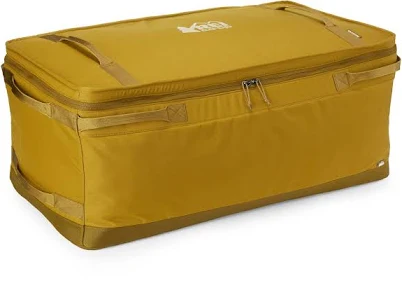
REI Co-op
Trailgate Gear Bin Green 140 L
- Polypropylene storage bin, no water-resistant coating mentioned
- UV degradation and additive leaching
3 hazards checked on this product. See all of them.
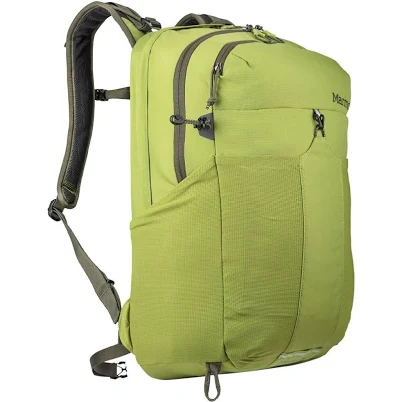
Marmot
Tool Box
- Nylon, polyester, cotton blend; details unspecified
- Volatile organic compounds (VOCs) from polyester and nylon manufacturing
5 hazards checked on this product. See all of them.
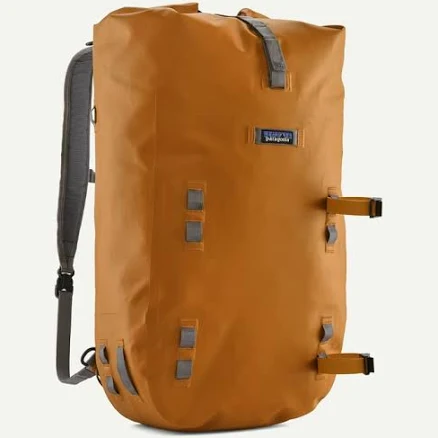
Patagonia
Disperser Roll Top Pack 40L
- Recycled polyester with water-repellent coating (water-repellent coating) finish
- The brand calls it PFAS-free, which we have not verified
- PFAS
4 hazards checked on this product. See all of them.
More waterproof outdoor gear storage bags grades
How we score, every product runs through the same public 0-100 rubric based on materials, coatings, brand disclosure, lab findings, and recalls. See the full methodology → Spotted a mistake? Report an error.