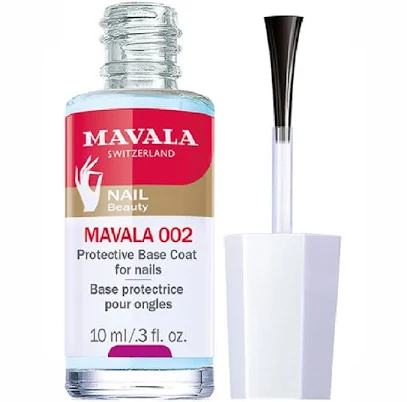
Mavala · Nail Polish & Top Coat
Mavala 002 Protective Base Coat
Lower-concern choice; no known PFAS use in standard base coats, but verify ingredients with brand.
Mavala 002 is a traditional nitrocellulose-based protective nail base coat with no public evidence of intentional PFAS additives. Standard nail polish base coats rarely contain PFAS.
We flunk more products than we pass. This one earned its grade. How we grade
Material
Nitrocellulose, resins, solvents (typical nail polish base)
Brand disclosure
Brand is silent on PFAS
Lab data
No public lab test
Is Mavala 002 Protective Base Coat non-toxic? What it is made of
Mavala 002 is a nitrocellulose-based base coat, the industry standard for nail polish formulation. Nitrocellulose provides adhesion and film-forming properties; it is mixed with resins, plasticizers, and volatile organic solvents (likely toluene, xylene, or acetone derivatives) to achieve workability and drying. The base coat category avoids the pigments and UV filters present in colored or top coats, reducing exposure to heavy metals and photoinitiators, though solvent inhalation remains the primary exposure route during application.
What’s concerning
Category baseline
The starting point for this type of product, before anything specific to this product is counted.
No PFAS disclosure
No public statement from the brand about PFAS in this product.
Volatile Organic Compound (VOC) Inhalation
Typical nitrocellulose base coats contain toluene, xylene, and acetone. Mavala does not publish a solvent profile, so specific composition is not verifiable. Acute inhalation during application may cause dizziness, headache, or respiratory irritation in poorly ventilated spaces; chronic exposure is a concern for professional nail technicians but not typical consumers applying occasionally.
Dibutyl Phthalate (DBP) or Plasticizer Exposure
Nail polish base coats typically contain phthalate plasticizers to improve flexibility. Mavala 002 does not declare phthalate-free status. Dermal absorption during application is negligible; inhalation of vapors during prolonged exposure (professional use) presents the main concern. No reproductive toxicity has been established at consumer exposure levels, but pregnant or nursing women may prefer
Skin Sensitization from Resins or Fragrance
Nail polish resins (tosylamide-formaldehyde resin, camphor, etc.) and fragrance compounds can trigger contact dermatitis or allergic reactions, particularly in individuals with eczema or nail sensitivity. Mavala 002 is scented; specific fragrance allergen data is not publicly disclosed. Avoid prolonged contact with skin and cuticles; if redness or itching develops, discontinue use.
What’s reassuring
Base material not linked to PFAS
The main material recorded for this product is not one associated with PFAS.
Formaldehyde / VOCs
Base coats generally do not require formaldehyde for preservation (unlike some cosmetics) because solvents themselves provide antimicrobial function. No public record indicates Mavala 002 contains formaldehyde or formal releasers; however, the brand does not explicitly certify its absence.
Source, ATSDR ↗Heavy metals
Base coats are unpigmented and do not contain colorants, iron oxides, or UV filters that commonly harbor lead or cadmium. This hazard class is not applicable to clear base coat formulations.
Source, FDA ↗The full breakdown
The brand's record and disclosure
Mavala is a Swiss nail care manufacturer with a long-standing presence in professional and consumer markets. The brand does not publicly maintain a comprehensive chemical transparency statement or third-party certification (e.g., free-from declarations for common allergens or restricted substances). No major safety recalls or regulatory actions against Mavala 002 or the brand are recorded in public databases. The brand's silence on PFAS is consistent with most traditional nail polish makers, who do not use fluorinated surfactants in base coats.
How it compares in its category
Mavala 002 occupies the mid-to-premium segment of base coats. It does not market reduced-solvent or three-free/five-free formulations, unlike brands such as Essie or Zoya, which provide explicit restrictions on toluene, dibutyl phthalate (DBP), and formaldehyde. Mavala 002's performance reputation (chip resistance, adhesion) aligns with conventional formulations; if solvent sensitivity or chemical minimization is a priority, reformulated or water-based alternatives may offer perceived advantage, though efficacy varies.
If you buy it
Apply in a well-ventilated space to minimize inhalation of evaporating solvents, particularly during the 1-2 minute drying window. Do not apply to broken skin or open wounds. Use a metal nail file rather than emery boards to avoid lint contamination. Replace the bottle cap promptly after use to prevent solvent evaporation and thickening. Discard if the formula becomes too thick to apply smoothly, as this indicates polymerization and loss of safety controls on solvent composition.
What we don’t know
- Basis
- Model estimate, 72% confidence, not a lab result
- Lab test
- None on record for this exact product
- Brand statement
- Mavala has made none
Formulations change between production runs, so check the current label. How we grade.
Better-graded alternatives in Nail Polish & Top Coat
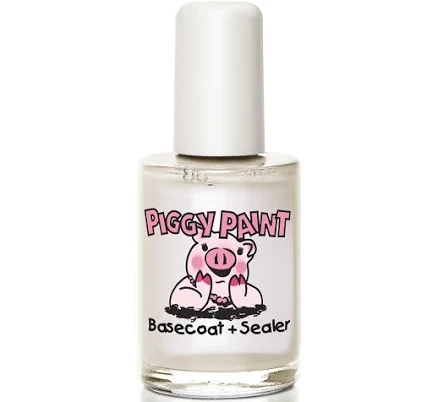
Piggy Paint
Basecoat & Sealer Nail Polish
- Water-based organic pigments and plant-derived resins
- The brand calls it PFAS-free, which we have not verified
- Heavy metals
3 hazards checked on this product. See all of them.
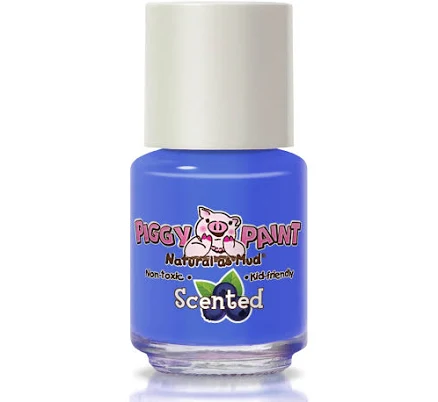
Piggy Paint
Nail Polish Piggy Paint
- water-based pigmented lacquer
- The brand calls it PFAS-free, which we have not verified
- Volatile organic compounds (VOCs) from resins and solvents
3 hazards checked on this product. See all of them.
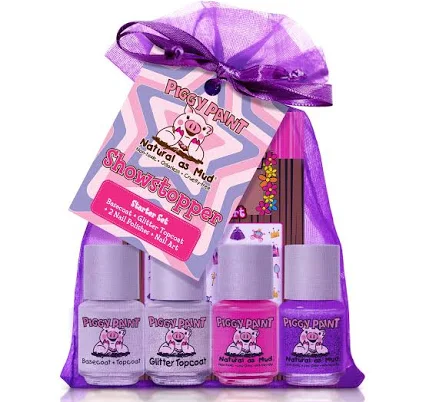
Piggy Paint
Showstopper Nail Polish Set
- organic pigments, plant-based resins, water-based lacquer
- The brand calls it PFAS-free, which we have not verified
- Volatile organic compounds (VOCs)
2 hazards checked on this product. See all of them.
More nail polish & top coat grades
How we score, every product runs through the same public 0-100 rubric based on materials, coatings, brand disclosure, lab findings, and recalls. See the full methodology → Spotted a mistake? Report an error.