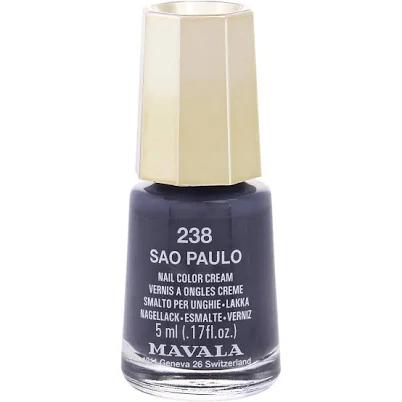
Mavala · Nail Polish & Top Coat
Mavala Nail
Low-medium concern; typical polish shows no known PFAS application.
This conventional cosmetic polish doesn't require water-repellency, grease-resistance, or non-stick properties that drive PFAS use. Mavala provides no public PFAS statement.
We flunk more products than we pass. This one earned its grade. How we grade
Material
nail lacquer/polish (likely nitrocellulose, plasticizers, resins)
Brand disclosure
Brand is silent on PFAS
Lab data
No public lab test
Is Mavala Nail non-toxic? What it is made of
Mavala Nail is a conventional nail polish lacquer, almost certainly based on nitrocellulose (the film-former), combined with plasticizers (typically dibutyl phthalate or its replacements), resins, and solvents like toluene, xylene, and acetone. The nitrocellulose itself is inert once cured on the nail; the hazard profile depends on solvent exposure during application and the plasticizer choice, since some formulations still contain phthalates despite industry shift away from them.
What’s concerning
Category baseline
The starting point for this type of product, before anything specific to this product is counted.
No PFAS disclosure
No public statement from the brand about PFAS in this product.
Phthalate plasticizers (dibutyl phthalate / DBP and similar)
Mavala does not disclose phthalate status on packaging or website. Industry standard for polishes of this era and price point suggests likely presence, though formulation may have shifted. Systemic exposure from nail polish is low because skin contact is brief and dermal absorption is minimal, but inhalation during application is the primary route of concern.
Volatile organic compounds (toluene, xylene, acetone)
Standard solvents in nail lacquer formulations, including conventional Mavala products. Brief exposure during application in unventilated spaces can cause dizziness, headache, or respiratory irritation. Chronic occupational exposure (e.g., salon workers) carries documented neurotoxic risk; consumer single-use risk is low with adequate ventilation.
Formaldehyde / VOCs
Formaldehyde-releasing resins are used in some nail polish formulations to improve durability and hardness. Mavala does not explicitly exclude this. Off-gassing during application is typically minimal but detectable in poorly ventilated settings; no specific reports link Mavala products to formaldehyde exposure incidents.
Source, ATSDR ↗What’s reassuring
Base material not linked to PFAS
The main material recorded for this product is not one associated with PFAS.
Lead
Nail polish pigments are less regulated than cosmetics applied to lips or eyes, but Mavala Nail polishes are not known to carry contaminated colorants. Standard mica and iron oxide pigments used in mainstream polishes do not present documented heavy metal risk if applied only to the nail surface.
Source, ATSDR ↗Coating degradation and re-exposure risk
Mavala Nail polish cures into a hard, stable film on the nail keratin. Chipping or peeling does not release significant solvent vapor or uncrosslinked monomers; the main concern is reapplication solvent exposure every 1-2 weeks, which is standard across all nail lacquers.
The full breakdown
The brand's record and disclosure
Mavala is a Swiss nail-care specialist with a long history (founded 1969) focused on nail health rather than cosmetic pigmentation alone. The brand does not publish detailed ingredient disclosures, safety certifications (such as 3-free or 5-free labeling), or independent testing results on its website or standard packaging. No significant product recalls or safety controversies are documented in public records for Mavala Nail polish.
How it compares in its category
Mavala Nail sits in the mainstream segment, it lacks the transparency marketing of premium brands that advertise phthalate-free or non-toxic formulations, but also shows no red flags that would place it in the lower-safety tier. Most competing nail polishes at similar price points have identical solvent and plasticizer profiles. The absence of visible "free from" claims suggests the product may contain phthalates or toluene, which are still legal and common in nail polish but less preferred by health-conscious consumers.
If you buy it
Apply only in well-ventilated spaces or near an open window to minimize inhalation of volatile solvents during application and drying (roughly 10-15 minutes). Avoid prolonged skin contact with wet polish; use a cuticle stick or brush handle to apply, not fingers. Replace the bottle cap immediately after use to slow solvent evaporation and extend shelf life. Removal via acetone-soaked cotton pads is standard; this is not a special risk for Mavala but simply typical nail polish care.
What we don’t know
- Basis
- Model estimate, 72% confidence, not a lab result
- Lab test
- None on record for this exact product
- Brand statement
- Mavala has made none
Formulations change between production runs, so check the current label. How we grade.
Better-graded alternatives in Nail Polish & Top Coat
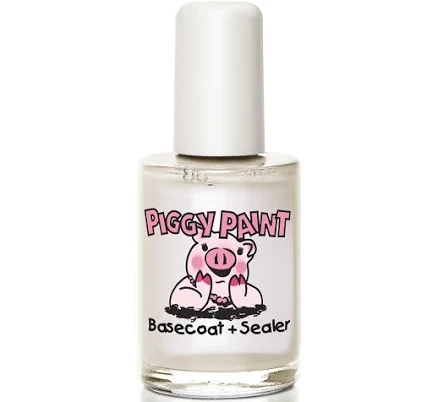
Piggy Paint
Basecoat & Sealer Nail Polish
- Water-based organic pigments and plant-derived resins
- The brand calls it PFAS-free, which we have not verified
- Heavy metals
3 hazards checked on this product. See all of them.
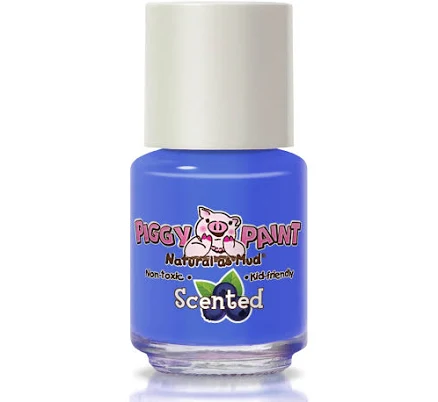
Piggy Paint
Nail Polish Piggy Paint
- water-based pigmented lacquer
- The brand calls it PFAS-free, which we have not verified
- Volatile organic compounds (VOCs) from resins and solvents
3 hazards checked on this product. See all of them.
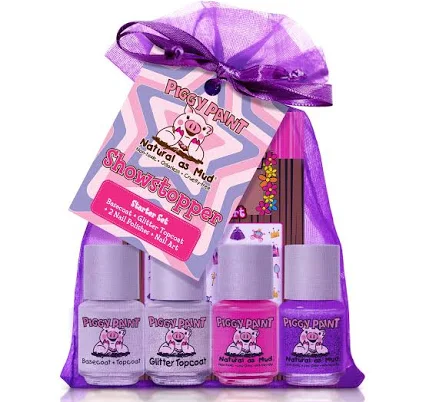
Piggy Paint
Showstopper Nail Polish Set
- organic pigments, plant-based resins, water-based lacquer
- The brand calls it PFAS-free, which we have not verified
- Volatile organic compounds (VOCs)
2 hazards checked on this product. See all of them.
More nail polish & top coat grades
How we score, every product runs through the same public 0-100 rubric based on materials, coatings, brand disclosure, lab findings, and recalls. See the full methodology → Spotted a mistake? Report an error.