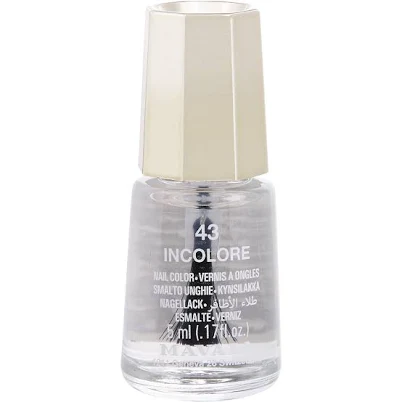
Mavala · Nail Polish & Top Coat
Mavala Nail Polish
Material not linked to PFAS, but brand has no PFAS statement on record.
Mavala nail polish uses organic film-forming resins typical of nail lacquer formulations. The brand has not published information about PFAS in this product or testing data.
The better-graded swap
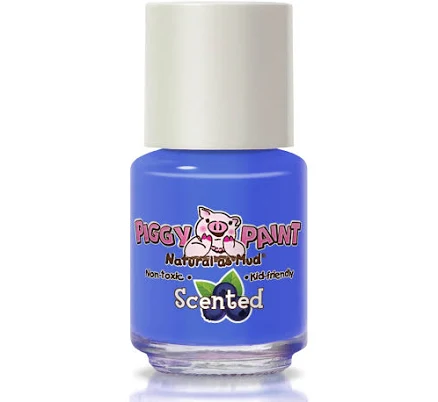
Piggy Paint
Nail Polish Piggy Paint
100/100 safety
Same rubric that flunked this product. The swap earned Excellent.
Still want this one anyway? Check the price on Amazon. We’d swap it.
Material
organic film-forming resins (typical nail lacquer)
Brand disclosure
Brand is silent on PFAS
Lab data
No public lab test
Is Mavala Nail Polish non-toxic? What it is made of
Mavala nail polish is a typical organic lacquer formulation based on film-forming resins, plasticizers, and volatile organic solvents that harden on the nail. The polish dries by solvent evaporation rather than chemical cure, meaning off-gassing occurs primarily during application and drying. No public data shows Mavala uses unusual or hazardous resin chemistries compared to mainstream competitors in this category.
What’s concerning
Category baseline
The starting point for this type of product, before anything specific to this product is counted.
No PFAS disclosure
No public statement from the brand about PFAS in this product.
Volatile Organic Solvent (VOC) Inhalation
Standard nail lacquers release toluene, xylene, and acetone during application and drying. Mavala does not disclose specific solvent composition, so exposure risk is typical for the category but unquantified for this brand.
Fragrance Sensitizers and Allergens
Nail polishes commonly contain fragrance blends to mask solvent odor. Mavala's formula is not fragrance-free, and undisclosed fragrance components may trigger contact dermatitis or respiratory irritation in sensitive individuals.
Plasticizer Leaching (Dibutyl Phthalate, DBP)
Nail lacquers typically use plasticizers to prevent brittleness; DBP is common but regulated in the EU (banned) and restricted in North America. Mavala's specific plasticizer choice is not disclosed, so compliance status cannot be independently verified.
What’s reassuring
Base material not linked to PFAS
The main material recorded for this product is not one associated with PFAS.
Lead
No recalls or published testing show Mavala nail polish contains elevated heavy metals. Like most regulated cosmetics in Europe and North America, it is presumed compliant with maximum limits, but the brand provides no third-party certification.
Source, ATSDR ↗Formaldehyde / VOCs
Mavala does not advertise formaldehyde-free status, and no public data documents its presence or absence. Standard nail lacquers may contain traces, but this is not a known concern specific to this brand.
Source, ATSDR ↗The full breakdown
The brand's record and disclosure
Mavala is a Swiss brand with a heritage in nail care and does not market itself with extensive safety certifications or third-party toxicology transparency. The company has not published ingredient disclosures, banned-chemical lists, or responses to PFAS queries in publicly available sources. No recalls or safety controversies are on record for Mavala nail products, but the brand's silence on formulation details and PFAS means consumers have limited assurance beyond standard regulatory compliance.
How it compares in its category
Mavala sits in the mid-market bracket of nail polish; it is positioned above drugstore brands but does not claim the 'clean' or 'non-toxic' marketing of premium indie or eco-focused lines. Competitors like Essie and OPI offer similar opaque ingredient lists and no formal PFAS commitment, making Mavala's hazard profile typical rather than distinctive. Safer-marketed alternatives (e.g., Zoya, Ella+Mila) explicitly exclude common solvents and publish ingredient data, offering more transparency if that is a priority.
If you buy it
Apply in well-ventilated spaces or outdoors to minimize inhalation of solvent vapors during and immediately after application. Allow full drying (typically 5-10 minutes) before touching or exposing nails to water. Store in a cool, dark place away from heat; nail polish degrades over time and may become sticky or separate, warranting replacement after 1-2 years. If you have sensitivities to fragrance or solvents, perform a small test patch or switch to fragrance-free or low-VOC brands.
What we don’t know
- Basis
- Model estimate, 45% confidence, not a lab result
- Lab test
- None on record for this exact product
- Brand statement
- Mavala has made none
Formulations change between production runs, so check the current label. How we grade.
Better-graded alternatives in Nail Polish & Top Coat
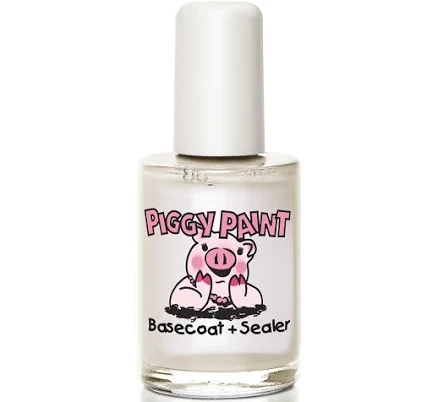
Piggy Paint
Basecoat & Sealer Nail Polish
- Water-based organic pigments and plant-derived resins
- The brand calls it PFAS-free, which we have not verified
- Heavy metals
3 hazards checked on this product. See all of them.
Piggy Paint
Nail Polish Piggy Paint
- water-based pigmented lacquer
- The brand calls it PFAS-free, which we have not verified
- Volatile organic compounds (VOCs) from resins and solvents
3 hazards checked on this product. See all of them.
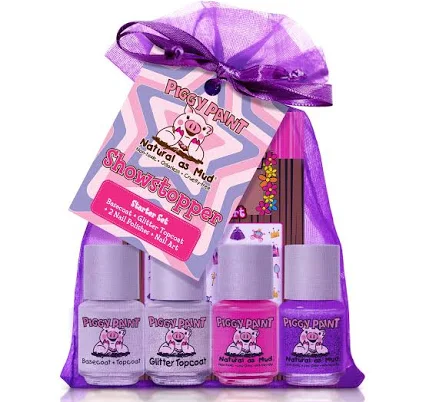
Piggy Paint
Showstopper Nail Polish Set
- organic pigments, plant-based resins, water-based lacquer
- The brand calls it PFAS-free, which we have not verified
- Volatile organic compounds (VOCs)
2 hazards checked on this product. See all of them.
More nail polish & top coat grades
How we score, every product runs through the same public 0-100 rubric based on materials, coatings, brand disclosure, lab findings, and recalls. See the full methodology → Spotted a mistake? Report an error.