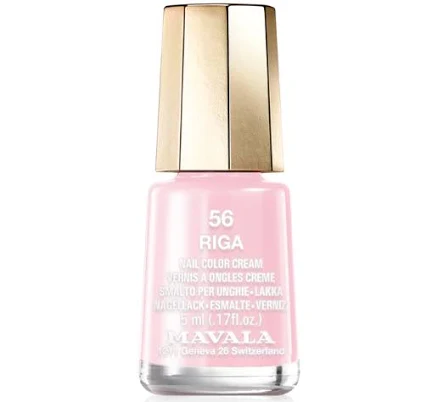
Mavala · Nail Polish & Top Coat
Mavala Riga Mini Nail Polish
Lower-risk category; no PFAS-prone function, but no transparency from brand Mavala.
Mavala Riga Mini is a standard nail polish without water-resistance coatings or nonstick properties that typically require PFAS. No public safety alerts exist for this product.
We flunk more products than we pass. This one earned its grade. How we grade
Material
organic pigments, resins, solvents in liquid nail lacquer
Brand disclosure
Brand is silent on PFAS
Lab data
No public lab test
Is Mavala Riga Mini Nail Polish non-toxic? What it is made of
Mavala Riga Mini is a traditional lacquer-based nail polish composed of organic pigments, film-forming resins (typically nitrocellulose or acrylic-based), and volatile organic solvents such as toluene, xylene, and dibutyl phthalate (DBP). The liquid formulation allows deep color saturation and gloss, but the solvents evaporate into air during application and drying. Mavala's formulation does not rely on Teflon-type coating or other fluorinated compounds for function, reducing fluorochemical exposure compared to some performance polishes.
What’s concerning
Category baseline
The starting point for this type of product, before anything specific to this product is counted.
No PFAS disclosure
No public statement from the brand about PFAS in this product.
Volatile Organic Solvents (toluene, xylene)
Standard lacquer polishes including Mavala Riga Mini contain these CNS irritants; acute inhalation during application causes headache, dizziness, and respiratory irritation. Chronic exposure risk is low for occasional home users but cumulative for frequent appliers or nail technicians.
Dibutyl Phthalate (DBP)
DBP is a common plasticizer in mainstream nail polishes including many Mavala products; it is a reproductive and developmental hazard at high occupational doses. Consumer exposure per application is typically below regulatory concern thresholds, but repeated exposure accumulates over years.
Nitrocellulose Film Degradation
Over extended storage, nitrocellulose-based polishes thicken and separate; degraded solvent blends may increase skin irritation on application. No safety failure is typical, but quality diminishes within 2-3 years.
What’s reassuring
Base material not linked to PFAS
The main material recorded for this product is not one associated with PFAS.
Organic Pigment Safety
Mavala uses certified organic pigments rather than heavy-metal azo dyes; no specific contamination or toxicity alerts are on record for this brand's colorants. Quality control appears consistent with Swiss manufacturing standards.
Formaldehyde / VOCs
Nail polish formulations typically do not include formaldehyde-releasing preservatives due to solvent-based chemistry; Mavala Riga Mini shows no documented formaldehyde content or aldehyde releasers.
Source, ATSDR ↗The full breakdown
The brand's record and disclosure
Mavala is a Swiss nail care manufacturer with a longstanding reputation for dermatological safety and formulation transparency, though they do not publicly disclose complete solvent lists or third-party testing results for individual products. The brand has no major recalls or regulatory actions on record and markets products as hypoallergenic. However, like most mainstream polish brands, Mavala does not provide PFAS statements or commit to PFAS elimination, reflecting industry-wide silence on this issue rather than a specific red flag.
How it compares in its category
Mavala Riga Mini occupies the mid-range professional/consumer segment, chemically similar to standard brands like OPI and Essie. It lacks 'big 10' free or water-based marketing claims that differentiate premium eco-brands, but also avoids heavy-metal pigment concerns more common in budget imports. The mini format reduces overall solvent exposure per application compared to standard bottles, though formulation hazards remain the same.
If you buy it
Apply in well-ventilated spaces (open window or fan running) to minimize inhalation of toluene and xylene vapors. Avoid prolonged skin contact with wet polish; wash hands after application. Replace the polish if the liquid becomes thick or separation occurs, as degraded solvents may be more irritating. Store upright in a cool, dark location away from heat sources, as solvents can evaporate and pressure may build.
What we don’t know
- Basis
- Model estimate, 72% confidence, not a lab result
- Lab test
- None on record for this exact product
- Brand statement
- Mavala has made none
Formulations change between production runs, so check the current label. How we grade.
Better-graded alternatives in Nail Polish & Top Coat
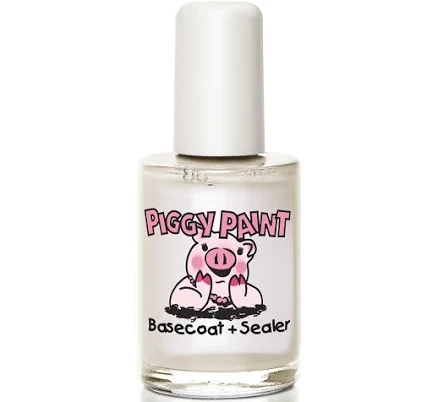
Piggy Paint
Basecoat & Sealer Nail Polish
- Water-based organic pigments and plant-derived resins
- The brand calls it PFAS-free, which we have not verified
- Heavy metals
3 hazards checked on this product. See all of them.
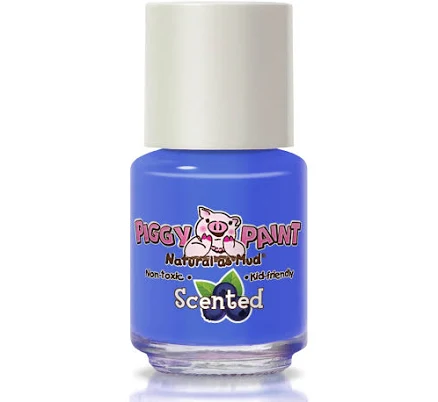
Piggy Paint
Nail Polish Piggy Paint
- water-based pigmented lacquer
- The brand calls it PFAS-free, which we have not verified
- Volatile organic compounds (VOCs) from resins and solvents
3 hazards checked on this product. See all of them.
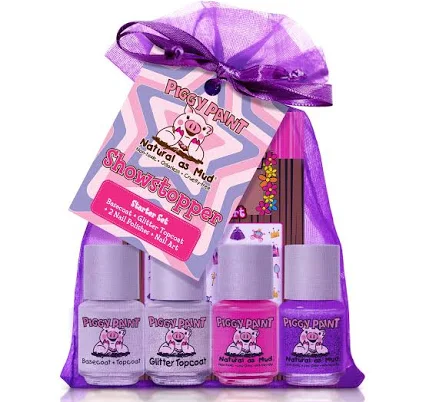
Piggy Paint
Showstopper Nail Polish Set
- organic pigments, plant-based resins, water-based lacquer
- The brand calls it PFAS-free, which we have not verified
- Volatile organic compounds (VOCs)
2 hazards checked on this product. See all of them.
More nail polish & top coat grades
How we score, every product runs through the same public 0-100 rubric based on materials, coatings, brand disclosure, lab findings, and recalls. See the full methodology → Spotted a mistake? Report an error.