Maxfli · Golf Balls & Equipment
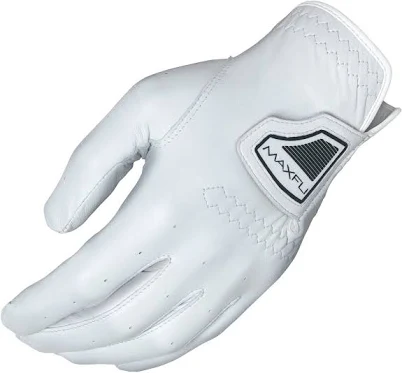
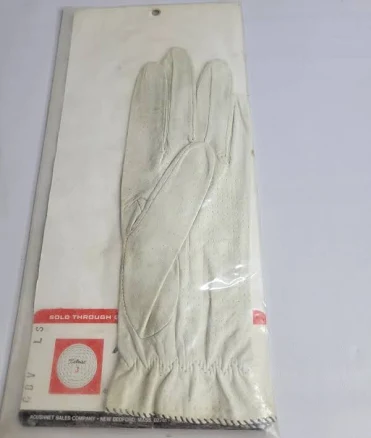
Maxfli Tour Golf Glove
Golf glove with likely water-repellent coating and no brand PFAS transparency.
Golf gloves commonly get water-resistant or waterproof treatments containing PFAS. Maxfli provides no public confirmation of PFAS-free status or materials.
The better-graded swap
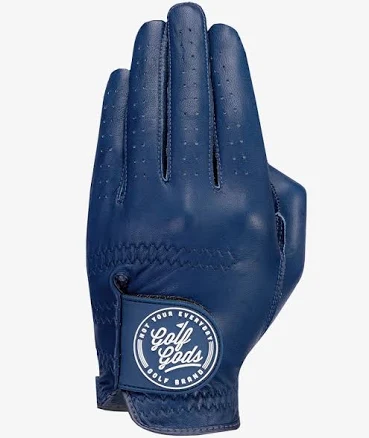
Cabretta Leather Golf Glove
85/100 safety
Same rubric that flunked this product. The swap earned Excellent.
Still want this one anyway? Check the price on Amazon. We’d swap it.
Material
Leather or synthetic leather with water-resistant treatment
Brand disclosure
Brand is silent on PFAS
Lab data
No public lab test
You may also be interested in
Top-graded picks in the categories readers replace first, every one scored on the same rubric.

- polypropylene filter housing, carbon/sediment cartridge
- We found no PFAS statement from the brand
- Bacterial growth in spent cartridges
3 hazards checked on this product, all on its full breakdown.

Aquasure
Premier Series 75 GPD Under Sink Reverse Osmosis Water Filtration System
- RO membrane, carbon filters, stainless steel housing
- We found no PFAS statement from the brand
- Bacterial and microbial growth in housing and filters
4 hazards checked on this product, all on its full breakdown.

Avocado
Vegan Mattress
- organic cotton, natural latex, coconut coir, recycled steel coils
- The brand calls it PFAS-free, which we have not verified
- Heavy metals
2 hazards checked on this product, all on its full breakdown.
What Maxfli Tour Golf Glove is made of, ingredients and materials
Maxfli Tour gloves use leather or synthetic leather (often polyurethane or microfiber blends) with a water-resistant surface treatment applied for moisture management during play. The water-repellent coating is the primary chemical concern; most golf glove manufacturers use water-repellent coating (water-repellent coating) finishes that historically relied on PFOA or PFOS-class compounds, though some have migrated to shorter-chain alternatives. Leather itself is low-risk if tanned conventionally, but the finish chemistry is opaque for this product.
What’s concerning
Category baseline
The starting point for this type of product, before anything specific to this product is counted.
No PFAS disclosure
No public statement from the brand about PFAS in this product.
Waterproof / stain-resistant treatment
Water-repellent coating treatments have historically used PFAS.
PFAS
Golf glove water-repellent finishes typically employ fluorinated compounds. Maxfli provides no ingredient disclosure, making legacy PFAS exposure plausible given the product's water-resistant requirement and the brand's silence on alternatives.
Source, ATSDR ↗Formaldehyde / VOCs
Synthetic leather (polyurethane, microfiber) and leather tanning can involve formaldehyde-releasing resins or cross-linkers. No test data published for this glove; risk is moderate and typical of the category.
Source, ATSDR ↗Azo dyes in leather or synthetic materials
If leather or synthetic is dyed, azo colorants may be used. These can release carcinogenic amines under sweat or friction. Maxfli does not certify against restricted azo dyes (e.g., Oeko-Tex Standard 100).
Contact dermatitis from finish or dyes
Skin contact during prolonged wear (hours of golf) can trigger reactions to residual coating chemicals, dyes, or tanning agents, especially in users with sensitive skin. Pre-washing may reduce risk.
What’s reassuring
Microplastic shedding from synthetic materials
Synthetic leather gloves can shed microfibers during wash and wear, but this is not documented as a health hazard at typical glove replacement intervals. Environmental release is the primary concern.
How is this PFAS grade calculated?
The brand's record and disclosure
Maxfli (owned by Dick's Sporting Goods) does not publicly disclose water-resistant coating chemistry or PFAS avoidance commitments for golf gloves. No safety certifications, third-party testing, or recalls specific to this product are on record. The brand's silence on chemical composition is typical for golf apparel but leaves consumers without verification of lower-concern alternatives to legacy fluorinated compounds.
How it compares in its category
Most mainstream golf gloves (Callaway, TaylorMade, Titleist) share the same opacity around water-repellent coating treatment; few brands publish PFAS-free claims for gloves specifically. Premium and eco-focused brands (e.g., Bionic, some boutique makers) advertise non-fluorinated water resistance, but are less common in mass retail. The Maxfli Tour sits in the standard commercial bracket with no differentiation on chemical safety.
If you buy it
Wash the glove in cool water with mild soap before first use to reduce loose surface chemical residues. Avoid prolonged hand contact with wet glove material immediately after purchase; let it dry fully between uses to minimize skin exposure to any unreacted coating. Replace when the grip texture degrades noticeably, typically every 6-12 months depending on play frequency. Do not machine wash or expose to heat, as this can mobilize coating chemicals.
What is not known about PFAS in this product?
- Basis
- Model estimate, 45% confidence, not a lab result
- Lab test
- None on record for this exact product
- Brand statement
- Maxfli has made none
Formulations change between production runs, so check the current label. How we grade.
What are the PFAS-free alternatives to Maxfli Tour Golf Glove?
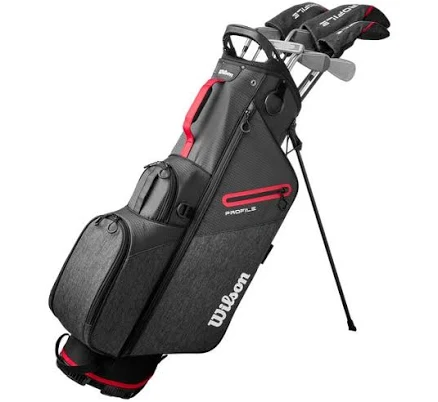
- Steel clubheads, graphite shafts, rubber grips
- We found no PFAS statement from the brand
- Graphite shaft resin degradation and fiber exposure
3 hazards checked on this product, all on its full breakdown.
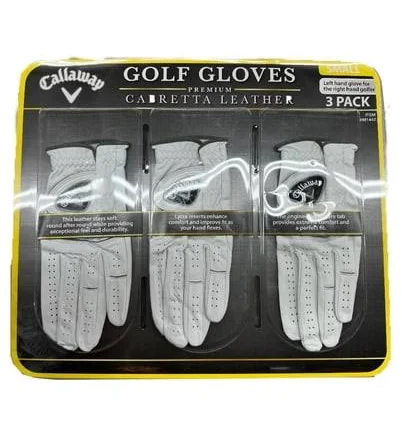
- Cabretta leather, likely tannin-tanned
- We found no PFAS statement from the brand
- Heavy metals
4 hazards checked on this product, all on its full breakdown.
- leather or synthetic leather with cotton lining
- We found no PFAS statement from the brand
- Heavy metals
4 hazards checked on this product, all on its full breakdown.
Find an alternative on AmazonMore golf balls & equipment grades
How we score, every product runs through the same public 0-100 rubric based on materials, coatings, brand disclosure, lab findings, and recalls. See the full methodology → Spotted a mistake? Report an error.