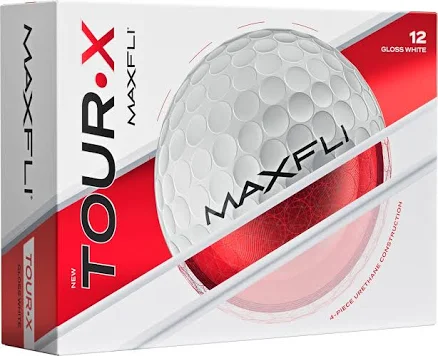
Maxfli · Golf Balls & Equipment
Maxfli Tour X Golf Balls
Unknown coating treatments and no brand transparency available.
Golf balls feature synthetic covers and surface treatments, but Maxfli publishes nothing about PFAS use or any product testing.
The better-graded swap
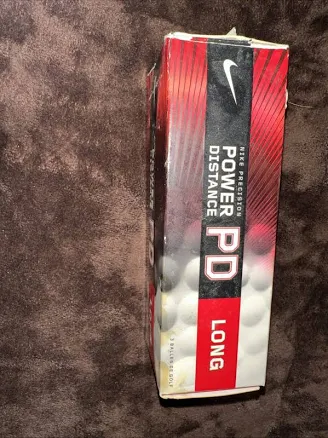
Nike
Nike Power Distance Long Golf Balls
85/100 safety
Same rubric that flunked this product. The swap earned Excellent.
Still want this one anyway? Check the price on Amazon. We’d swap it.
Material
Synthetic rubber/ionomer cover with unknown coating
Brand disclosure
Brand is silent on PFAS
Lab data
No public lab test
You may also be interested in
Top-graded picks in the categories readers replace first, every one scored on the same rubric.

- polypropylene filter housing, carbon/sediment cartridge
- We found no PFAS statement from the brand
- Bacterial growth in spent cartridges
3 hazards checked on this product, all on its full breakdown.

Aquasure
Premier Series 75 GPD Under Sink Reverse Osmosis Water Filtration System
- RO membrane, carbon filters, stainless steel housing
- We found no PFAS statement from the brand
- Bacterial and microbial growth in housing and filters
4 hazards checked on this product, all on its full breakdown.

Avocado
Vegan Mattress
- organic cotton, natural latex, coconut coir, recycled steel coils
- The brand calls it PFAS-free, which we have not verified
- Heavy metals
2 hazards checked on this product, all on its full breakdown.
What Maxfli Tour X Golf Balls is made of, ingredients and materials
Maxfli Tour X balls use a synthetic rubber or ionomer copolymer cover, which is industry-standard for performance golf balls. The core is typically rubber-based with winding or solid construction. The actual surface coating or treatment applied to the cover is not disclosed by the manufacturer, which is the primary concern; coatings on golf balls can include water-resistant polymers, adhesion promoters, or UV stabilizers, some of which may contain fluorinated compounds (PFAS). Unlike cookware or food-contact items, golf balls have minimal direct ingestion risk, but off-gassing or leaching during storage or use in warm conditions remains a theoretical pathway.
What’s concerning
Category baseline
The starting point for this type of product, before anything specific to this product is counted.
No PFAS disclosure
No public statement from the brand about PFAS in this product.
Unknown / proprietary coating
A coating is recorded with no disclosed chemistry.
Coating composition (unknown fluorinated compounds)
Golf ball covers are treated with water-resistant or UV-resistant coatings whose exact formulation is proprietary and not disclosed. These coatings may include PFAS or other synthetic polymers; no test data for Maxfli Tour X specifically is available. Risk is low during normal use but increases if balls are stored at elevated temperatures or in contact with water for extended periods.
What’s reassuring
Off-gassing or leaching in warm storage
No incidents or studies document volatile organic compounds (VOCs) or leaching from Maxfli golf balls under normal storage or use conditions. Ionomer and rubber are generally stable at room temperature; risk would be theoretical only if balls are left in hot vehicles or direct sunlight for weeks.
Rubber degradation and particulate release
Synthetic rubber and ionomer covers can degrade over time or with UV exposure, potentially shedding microparticles. This is a wear-and-tear concern rather than a manufacturing hazard; no safety data links Maxfli balls to accelerated degradation compared to other brands.
Heavy metals
Golf ball covers are painted or colored using standard industrial inks and pigments. No recalls or public disclosures indicate heavy metal (lead, cadmium) contamination in Maxfli Tour X or other golf balls. Risk is negligible since colored surfaces are not typically ingested or handled for extended periods by bare skin.
Source, FDA ↗Adhesives or sealants between layers
Golf ball construction involves gluing multiple layers (cover, windings, core). Adhesive formulations are not disclosed and may contain solvents or volatile compounds, but no safety warnings or recalls exist for Maxfli or the category. Off-gassing, if any, would occur primarily during manufacturing and storage before purchase.
How is this PFAS grade calculated?
The brand's record and disclosure
Maxfli, owned by Dick's Sporting Goods, does not publicly disclose the specific chemical composition of its ball covers or coatings. The brand has not issued statements on PFAS use or avoidance in golf equipment. No major recalls or safety controversies are on record for Maxfli golf balls specifically. The lack of transparency on cover treatments is typical of the golf ball industry but limits independent safety assessment.
How it compares in its category
Golf balls across all major brands (Titleist, Callaway, TaylorMade, Bridgestone) use similar ionomer or synthetic rubber covers with undisclosed coatings; Maxfli is not an outlier in this respect. Some premium balls market 'cast urethane' covers, which may have different surface chemistry, but coatings remain universally opaque. Consumer-grade balls like Maxfli Tour X offer no transparency advantage or disadvantage versus competitors.
If you buy it
Store golf balls in a cool, dry place away from direct heat or sunlight to minimize any potential leaching from coatings. Golf balls are not food-contact and pose negligible risk during normal play or storage in typical conditions. Clean with mild soap and water; abrasive or solvent-based cleaners are unnecessary and may degrade the cover prematurely. Replace balls when the cover becomes visibly scuffed, cracked, or water-logged, as degraded coatings may increase any leaching risk.
What is not known about PFAS in this product?
- Basis
- Model estimate, 35% confidence, not a lab result
- Lab test
- None on record for this exact product
- Brand statement
- Maxfli has made none
Formulations change between production runs, so check the current label. How we grade.
What are the PFAS-free alternatives to Maxfli Tour X Golf Balls?
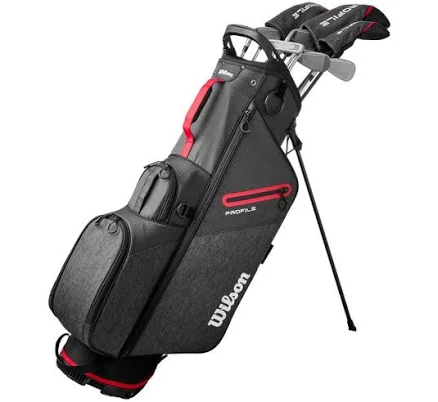
- Steel clubheads, graphite shafts, rubber grips
- We found no PFAS statement from the brand
- Graphite shaft resin degradation and fiber exposure
3 hazards checked on this product, all on its full breakdown.
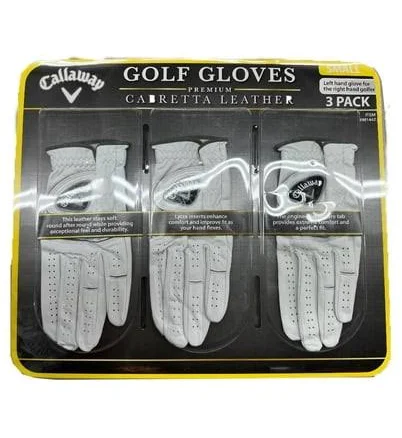
- Cabretta leather, likely tannin-tanned
- We found no PFAS statement from the brand
- Heavy metals
4 hazards checked on this product, all on its full breakdown.
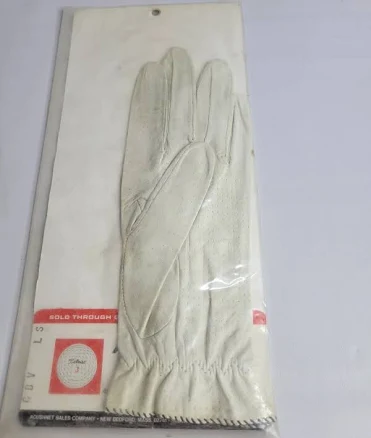
- leather or synthetic leather with cotton lining
- We found no PFAS statement from the brand
- Heavy metals
4 hazards checked on this product, all on its full breakdown.
Find an alternative on AmazonMore golf balls & equipment grades
How we score, every product runs through the same public 0-100 rubric based on materials, coatings, brand disclosure, lab findings, and recalls. See the full methodology → Spotted a mistake? Report an error.