Maxfli · Golf Balls & Equipment
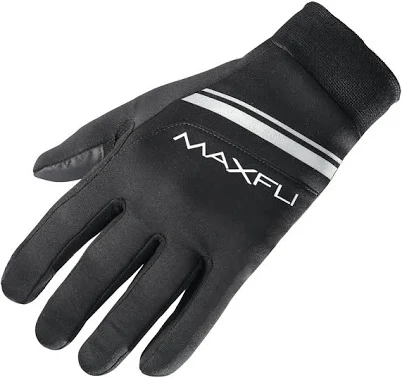
Maxfli Winter Tech Golf Glove
Winter glove water-resistant coating may contain PFAS, unconfirmed.
Water-resistant apparel frequently contains PFAS, but Maxfli offers no disclosure about this winter glove's treatment.
The better-graded swap
Dunlop
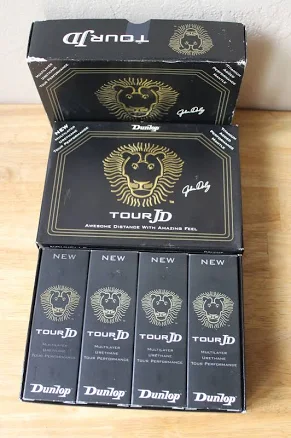
Dunlop Jd Tour Golf Balls In The Original Package 2 Dozen Urethane
85/100 safety
Same rubric that flunked this product. The swap earned Excellent.
Still want this one anyway? Check the price on Amazon. We’d swap it.
Material
synthetic leather/polyester with water-resistant treatment
Brand disclosure
Brand is silent on PFAS
Lab data
No public lab test
You may also be interested in
Top-graded picks in the categories readers replace first, every one scored on the same rubric.

- polypropylene filter housing, carbon/sediment cartridge
- We found no PFAS statement from the brand
- Bacterial growth in spent cartridges
3 hazards checked on this product, all on its full breakdown.

Aquasure
Premier Series 75 GPD Under Sink Reverse Osmosis Water Filtration System
- RO membrane, carbon filters, stainless steel housing
- We found no PFAS statement from the brand
- Bacterial and microbial growth in housing and filters
4 hazards checked on this product, all on its full breakdown.

Avocado
Vegan Mattress
- organic cotton, natural latex, coconut coir, recycled steel coils
- The brand calls it PFAS-free, which we have not verified
- Heavy metals
2 hazards checked on this product, all on its full breakdown.
What Maxfli Winter Tech Golf Glove is made of, ingredients and materials
Maxfli Winter Tech gloves combine synthetic leather (likely polyurethane or PVC) with polyester backing and a water-resistant coating. Synthetic leather avoids heavy-metal risks of chrome-tanned leather but is itself a plastic polymer that can off-gas volatile compounds during manufacturing and early use. The water-resistant treatment is the primary concern, durable water repellency (water-repellent coating) finishes on golf gloves are commonly PFAS-based, though some brands now use PFAS-free alternatives. Without Maxfli's explicit disclosure, the presence and type of water-resistant chemistry cannot be confirmed.
What’s concerning
No PFAS disclosure
No public statement from the brand about PFAS in this product.
Category baseline
The starting point for this type of product, before anything specific to this product is counted.
Waterproof / stain-resistant treatment
Water-repellent coating treatments have historically used PFAS.
PFAS
Winter glove water-repellent coating finishes commonly use legacy PFOA or PFOS compounds or newer PFAS alternatives; Maxfli has not disclosed its specific chemistry. Skin contact and washing release are the primary exposure routes, though golf glove dermal exposure is typically low-to-moderate.
Source, ATSDR ↗Microplastic shedding from synthetic leather degradation
Synthetic leather coatings degrade over time with use and washing; this glove will eventually shed microplastics when the palm or backing cracks. This is a low-risk environmental concern rather than a direct health hazard but worth noting for product life-cycle awareness.
What’s reassuring
Azo dyes and synthetic leather colorants
No specific azo dye concerns documented for Maxfli gloves. Synthetic leather colorants are generally lower-risk than natural leather tanning chemistry, but no third-party testing results are publicly available for this product line.
Formaldehyde / VOCs
Polyester and water-repellent coating finishes may contain trace formaldehyde as a resin binder or fabric stiffener, but no recalls or specific contamination reported for Maxfli winter gloves. Off-gassing diminishes rapidly after initial use.
Source, ATSDR ↗Antimony in polyester backings
Polyester textile components may contain antimony oxide as a catalyst residue, but concentrations in finished textiles are typically well below hazardous levels and no specific concern is documented for golf gloves in this price range.
How is this PFAS grade calculated?
The brand's record and disclosure
Maxfli, owned by Dick's Sporting Goods, has not published detailed chemical disclosures or third-party certifications (e.g., Bluesign, OEKO-TEX) for its glove lines based on available public records. No major recalls or chemical controversies are documented for Maxfli gloves specifically. The brand's silence on PFAS and textile finishing chemistry is typical of mid-tier sports brands but represents a missed opportunity for transparency that consumers seeking products with lower concern about PFAS exposure may find frustrating.
How it compares in its category
Winter golf gloves universally require water resistance, making PFAS-treated coatings nearly standard across budget and mid-tier brands. Premium brands (e.g., some Titleist or Callaway lines) occasionally disclose non-PFAS water-repellent coating formulations or offer certified organic wool alternatives, though these command higher prices. Maxfli's positioning as a value brand means it likely follows industry convention rather than leading on chemical safety. Comparison shopping on transparency (not just performance) is advisable if PFAS exposure is a concern.
If you buy it
Wear the glove in a well-ventilated space during initial use to allow any volatile off-gassing from synthetic materials and coatings to disperse. Wash by hand in cool to warm water with mild detergent; avoid prolonged soaking or hot water, which can degrade the water-resistant coating faster and potentially release coating chemicals. Replace when the palm synthetic leather shows visible cracking, peeling, or loss of grip, as continued wear risks microplastic shedding. Store in a dry, cool environment away from direct sunlight to extend coating durability.
What is not known about PFAS in this product?
- Basis
- Model estimate, 45% confidence, not a lab result
- Lab test
- None on record for this exact product
- Brand statement
- Maxfli has made none
Formulations change between production runs, so check the current label. How we grade.
What are the PFAS-free alternatives to Maxfli Winter Tech Golf Glove?
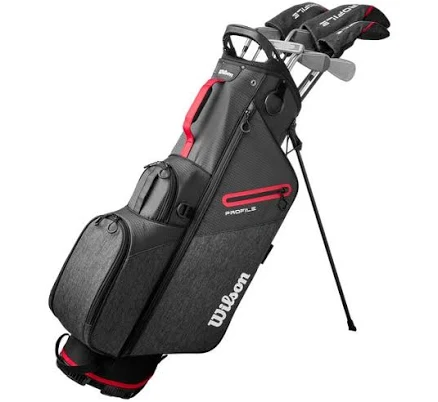
- Steel clubheads, graphite shafts, rubber grips
- We found no PFAS statement from the brand
- Graphite shaft resin degradation and fiber exposure
3 hazards checked on this product, all on its full breakdown.
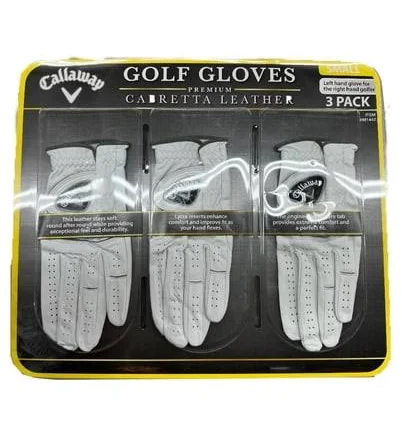
- Cabretta leather, likely tannin-tanned
- We found no PFAS statement from the brand
- Heavy metals
4 hazards checked on this product, all on its full breakdown.
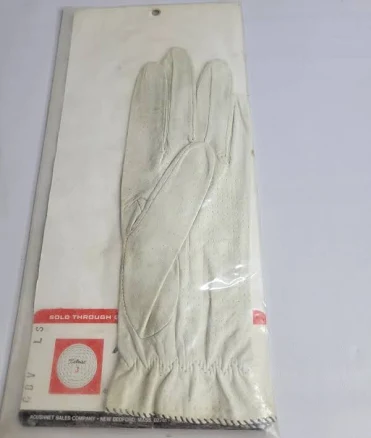
- leather or synthetic leather with cotton lining
- We found no PFAS statement from the brand
- Heavy metals
4 hazards checked on this product, all on its full breakdown.
Find an alternative on AmazonMore golf balls & equipment grades
How we score, every product runs through the same public 0-100 rubric based on materials, coatings, brand disclosure, lab findings, and recalls. See the full methodology → Spotted a mistake? Report an error.