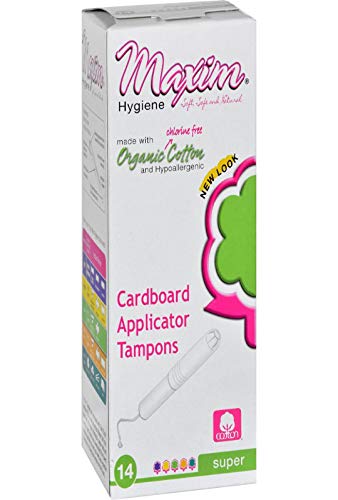
Maxim Hygiene Organic Cotton Cardboard Applicator
Lower concern. No known PFAS-prone materials or treatments.
Cardboard applicator and organic cotton are inherently lower-concern materials. Brand does not disclose PFAS, but product design lacks typical fluorochemical applications.
We flunk more products than we pass. This one earned its grade. How we grade
Material
organic cotton, cardboard applicator
Brand disclosure
Brand is silent on PFAS
Lab data
No public lab test
You may also be interested in
Top-graded picks in the categories readers replace first, every one scored on the same rubric.

- polypropylene filter housing, carbon/sediment cartridge
- We found no PFAS statement from the brand
- Bacterial growth in spent cartridges
3 hazards checked on this product, all on its full breakdown.

Aquasure
Premier Series 75 GPD Under Sink Reverse Osmosis Water Filtration System
- RO membrane, carbon filters, stainless steel housing
- We found no PFAS statement from the brand
- Bacterial and microbial growth in housing and filters
4 hazards checked on this product, all on its full breakdown.

Avocado
Vegan Mattress
- organic cotton, natural latex, coconut coir, recycled steel coils
- The brand calls it PFAS-free, which we have not verified
- Heavy metals
2 hazards checked on this product, all on its full breakdown.
What Maxim Hygiene Organic Cotton Applicator is made of, ingredients and materials
This product uses organic cotton for the absorbent core and a cardboard applicator instead of plastic or wood. Organic cotton is grown without synthetic pesticides or fertilizers, which reduces chemical residue risk compared to conventional cotton. Cardboard applicators are inert when dry and do not leach chemicals into the product; they are designed to dissolve or degrade in use or disposal, which eliminates concerns about plastic breakdown or coating degradation during storage or use.
What’s concerning
Category baseline
The starting point for this type of product, before anything specific to this product is counted.
No PFAS disclosure
No public statement from the brand about PFAS in this product.
Cardboard degradation or mold contamination
Cardboard applicators can soften or support microbial growth if exposed to moisture before use. Proper storage in dry conditions mitigates this risk; the product is single-use and should not be stored in humid environments.
What’s reassuring
Base material not linked to PFAS
The main material recorded for this product is not one associated with PFAS.
Pesticide residue
Organic certification claim, if verified, eliminates synthetic pesticide inputs at fiber growth. No pesticide contamination has been reported for this product.
Source, EPA ↗Formaldehyde / VOCs
Organic cotton products typically avoid heavy chemical finishing, but without third-party certification data on record, confirmation is limited. No known formaldehyde treatment issues have been reported for Maxim organic cotton products.
Source, ATSDR ↗Azo dyes or color fastness in organic cotton
Organic cotton in period products is typically undyed or minimally dyed. No reported azo dye contamination or color bleeding issues have been documented for this product.
Microbial or bacterial contamination during manufacturing or storage
Period-care products are regulated medical devices in most jurisdictions and subject to sterility or contamination testing. No recalls or safety alerts related to bacterial or mold contamination have been issued for this product.
How is this PFAS grade calculated?
The brand's record and disclosure
Maxim Hygiene maintains a silent public stance on PFAS and detailed ingredient transparency is not widely documented in accessible sources. The brand does market the product as organic cotton, which signals commitment to reduced synthetic chemical inputs at the fiber stage. No major recalls, safety controversies, or third-party certifications (such as GOTS or similar) are on record for this specific product line, though absence of disclosure does not confirm absence of rigorous testing.
How it compares in its category
Period-care applicators are typically plastic, cardboard, or wood. Cardboard applicators are less common than plastic but avoid concerns tied to plastic polymers and their coatings. Organic cotton core placement in this category is competitive; many mainstream brands use conventional cotton, which may retain pesticide residues. This product sits in the lower-chemical-input segment of the market, though most modern period products from established brands meet basic safety standards.
If you buy it
Store in a cool, dry place to prevent cardboard softening or mold growth before use. The cardboard applicator is not reusable and should be discarded after single use; it is designed for disposal and will degrade in standard waste streams. No special handling or heat precautions apply to this material. If you have sensitivity to cotton fibers or cardboard dust, conduct a patch test before full use.
What is not known about PFAS in this product?
- Basis
- Model estimate, 75% confidence, not a lab result
- Lab test
- None on record for this exact product
- Brand statement
- Maxim Hygiene has made none
Formulations change between production runs, so check the current label. How we grade.
What are the PFAS-free alternatives to Maxim Hygiene Organic Cotton Cardboard Applicator?
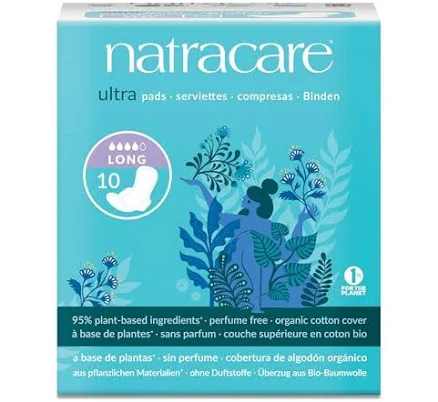
- A third party reports verifying it as PFAS-free
- Fragrance allergens (if scented variant)
2 hazards checked on this product, all on its full breakdown.
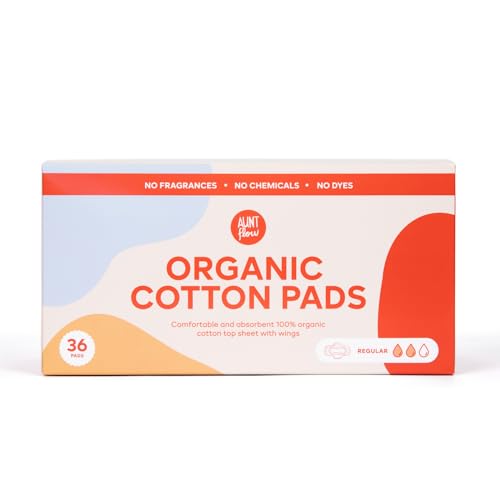
- organic cotton with natural fibers
- The brand calls it PFAS-free, which we have not verified
- Microplastics
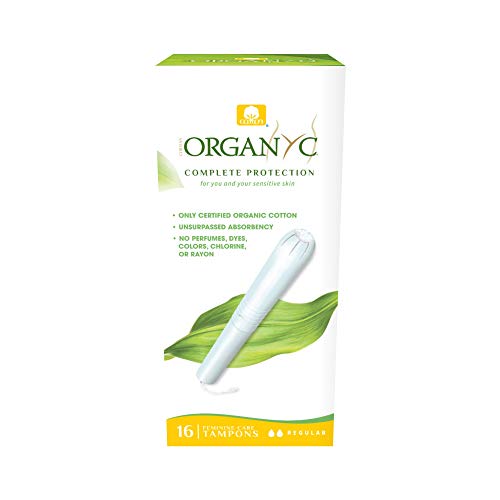
Organyc
100% Certified Organic Cotton Tampons Cardboard Applicator
- 100% organic cotton with cardboard applicator
- We found no PFAS statement from the brand
- Cardboard applicator structural integrity over time
More period care grades
 100Seventh Generation Maxi Pads - Overnight
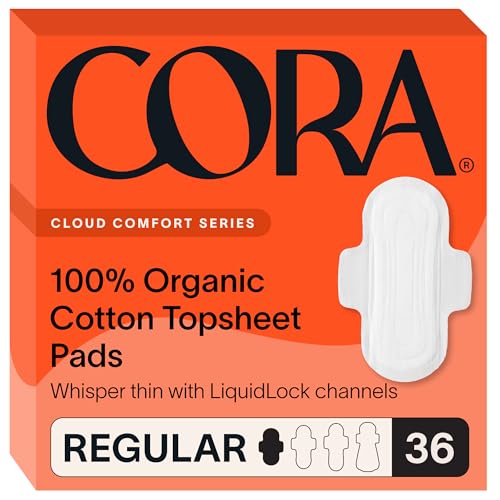 70Cora Organic Cotton Pads
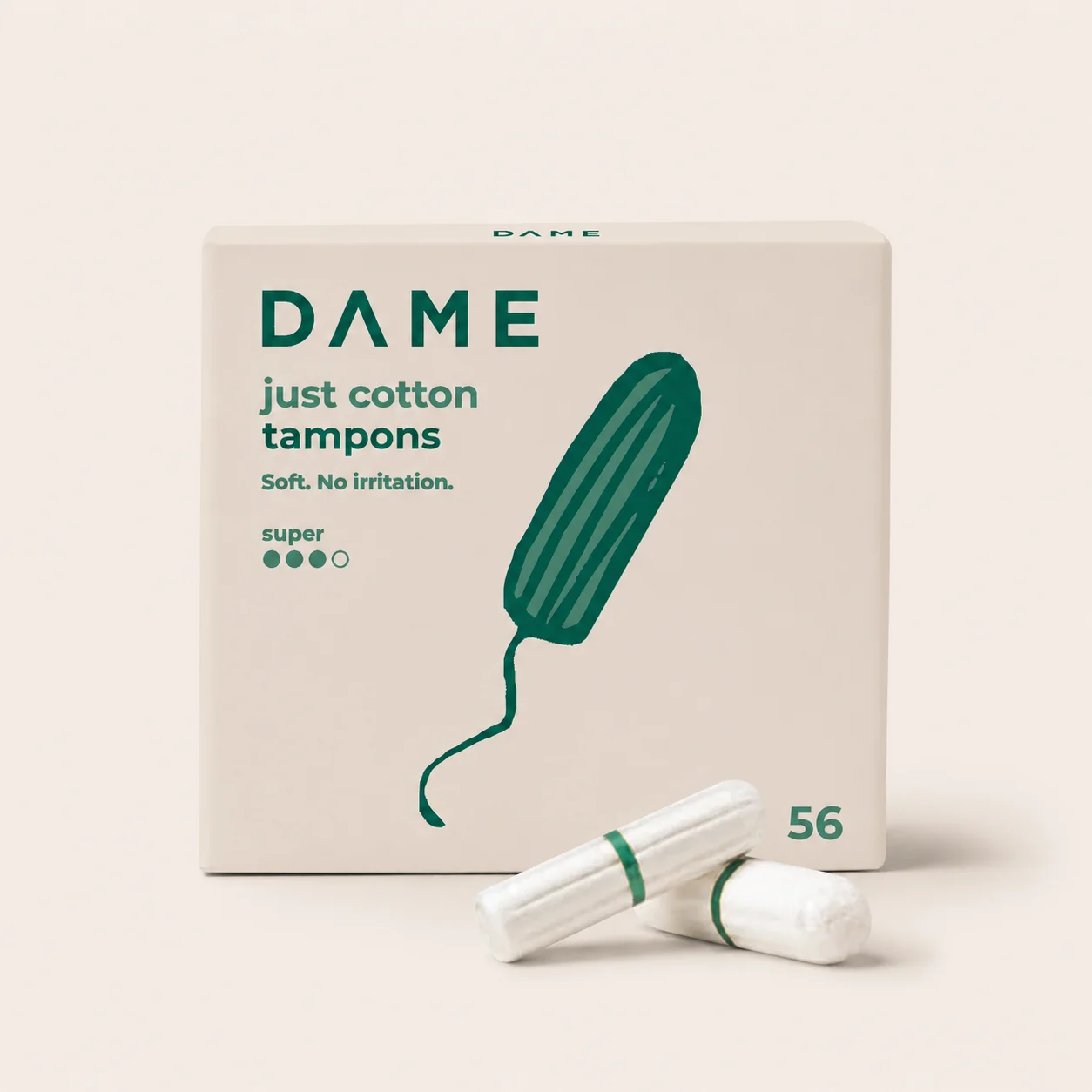 70Dame Organic Cotton Tampons
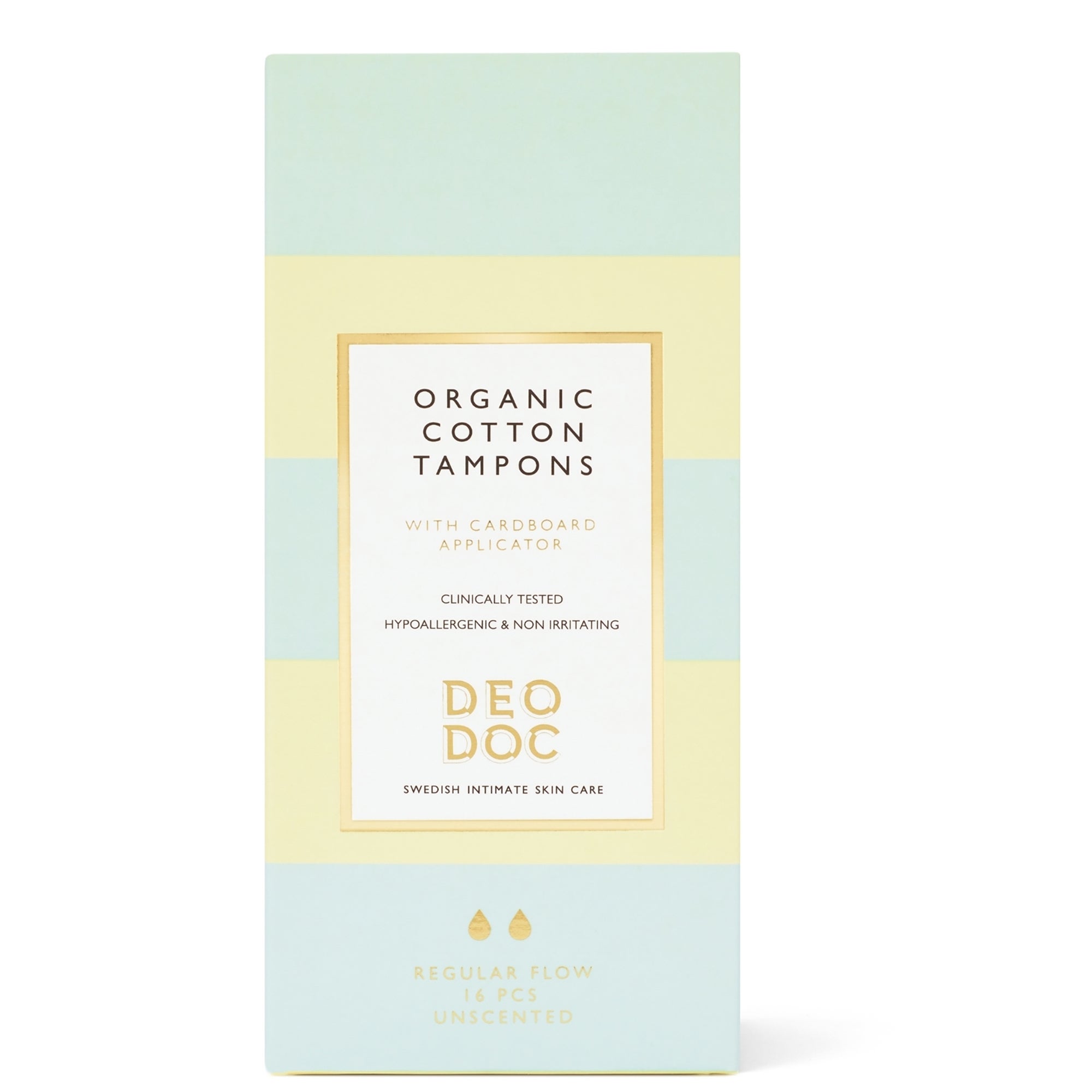 70DeoDoc Cotton Tampons
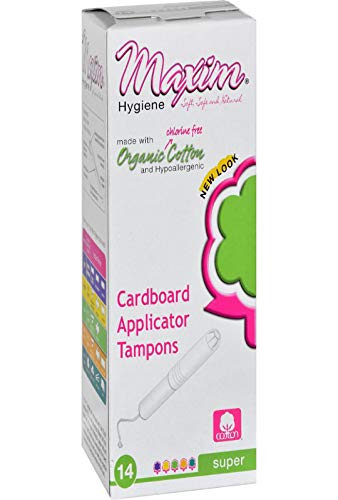 70Maxim Hygiene Organic Cotton Cardboard Applicator Tampons
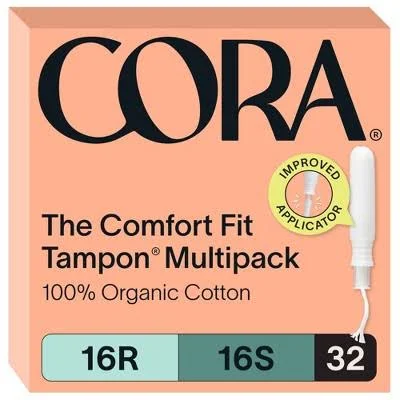 70Cora Organic Tampons
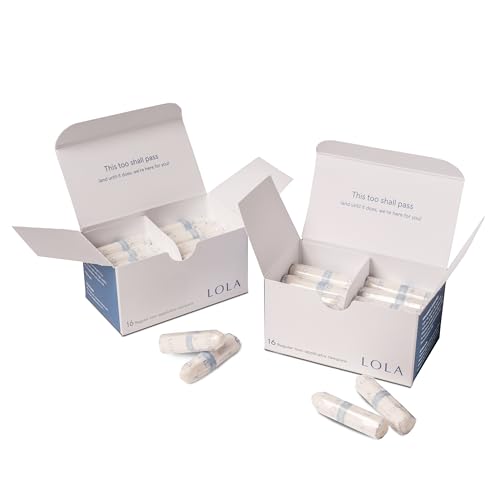 70Lola 100% Organic Cotton Tampons Applicator Free
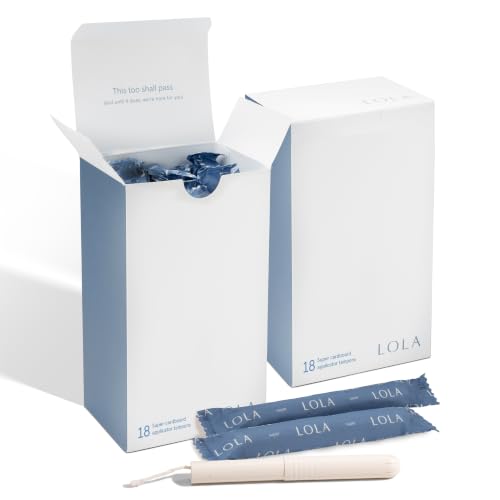 70Lola 100% Organic Cotton Tampons Cardboard Applicator
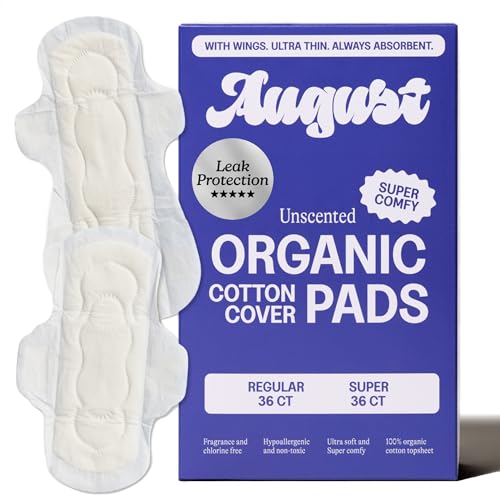 70August Organic Cotton Top Layer Pads, 36-Pack Regular
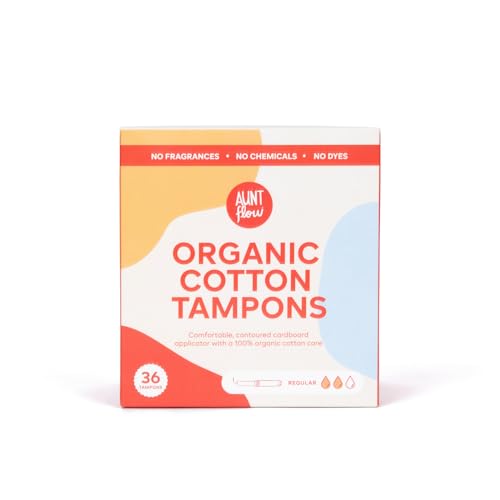 70Aunt Flow Organic Cotton Cardboard Applicator TamponsCompare vs Natracare →All period care →
How we score, every product runs through the same public 0-100 rubric based on materials, coatings, brand disclosure, lab findings, and recalls. See the full methodology → Spotted a mistake? Report an error.