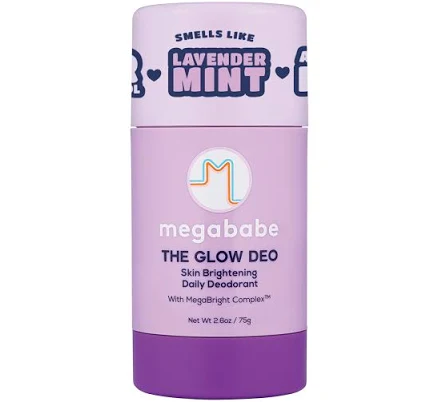
Megababe The Glow Deo Daily Deodorant
Lower PFAS concern for a simple powder deodorant without waterproofing chemistry.
A talc-free, mineral powder deodorant with no disclosed PFAS ingredients or waterproofing treatments. The brand makes no PFAS claims, though powder deodorants inherently carry lower risk than spray or water-resistant formulas.
We flunk more products than we pass. This one earned its grade. How we grade
Material
Talc, starch, mineral pigments (typical powder deodorant base)
Brand disclosure
Brand is silent on PFAS
Lab data
No public lab test
You may also be interested in
Top-graded picks in the categories readers replace first, every one scored on the same rubric.

- polypropylene filter housing, carbon/sediment cartridge
- We found no PFAS statement from the brand
- Bacterial growth in spent cartridges
3 hazards checked on this product, all on its full breakdown.

Aquasure
Premier Series 75 GPD Under Sink Reverse Osmosis Water Filtration System
- RO membrane, carbon filters, stainless steel housing
- We found no PFAS statement from the brand
- Bacterial and microbial growth in housing and filters
4 hazards checked on this product, all on its full breakdown.

Avocado
Vegan Mattress
- organic cotton, natural latex, coconut coir, recycled steel coils
- The brand calls it PFAS-free, which we have not verified
- Heavy metals
2 hazards checked on this product, all on its full breakdown.
What Megababe The Glow Deo Daily Deodorant is made of, ingredients and materials
Megababe The Glow Deo is a talc-starch powder deodorant with mineral pigments for color and fragrance compounds for scent. Talc as a base is standard in powder deodorants and does not require waterproofing chemistry (which is where PFAS tends to concentrate in antiperspirants). The mineral pigments are typically iron oxides or mica, both low-hazard colorants. Powder formulas avoid the solvent and emulsifier complexity of stick or spray deodorants, reducing the surface area for problematic additives.
What’s concerning
Category baseline
The starting point for this type of product, before anything specific to this product is counted.
No PFAS disclosure
No public statement from the brand about PFAS in this product.
Talc and respirable dust inhalation
Talc powder deodorants pose a low but non-zero inhalation risk if applied in large amounts or in poorly ventilated spaces. Megababe does not publish particle-size data or inhalation studies for this specific product. Risk is minimized by applying with a brush or pad rather than shaking directly from the container.
Fragrance allergens and sensitization
The product contains fragrance compounds (marketing describes it as having a scent), but Megababe does not disclose the specific fragrance ingredients or allergen disclosure beyond typical labeling. Common fragrance allergens (limonene, linalool, geraniol) are not ruled out. Individuals with fragrance sensitivity should patch-test or seek unscented alternatives.
Skin irritation from starch or talc buildup
Repeated application without thorough skin cleansing can lead to deodorant buildup in skin folds and underarm microbiota changes. This is a user-application issue, not a formulation defect. Removing product daily with soap and water and rotating products monthly can reduce chronic irritation risk.
What’s reassuring
Base material not linked to PFAS
The main material recorded for this product is not one associated with PFAS.
Talc asbestos contamination
Talc mining can historically yield asbestos contamination, but cosmetic-grade talc in the US is regulated for asbestos content under FDA oversight. No recalls or contamination findings are on record for Megababe products. Risk is low for compliant US-sourced talc, but sourcing transparency from Megababe is not publicly available.
Heavy metals
Iron oxide and mica-based pigments used in color cosmetics are regulated by the FDA for heavy-metal limits. No specific testing or safety data from Megababe is publicly available, but the product category (powder deodorant with low pigment load) carries minimal risk for pigment-related metal exposure compared to full-coverage makeup.
Source, FDA ↗How is this PFAS grade calculated?
The brand's record and disclosure
Megababe does not publish detailed ingredient sourcing or third-party safety testing results on their website or marketing materials. The brand positions itself as a natural-leaning alternative but does not hold certifications like EWG Verified, Clean Beauty, or NSF. No recalls or regulatory actions are on record for this product. The company's silence on PFAS in marketing suggests awareness of the issue but no specific commitment to PFAS-free formulation language.
How it compares in its category
Powder deodorants as a category carry lower chemical complexity than antiperspirant gels or sprays, and Megababe's formula is typical of indie consumer brands in that space. Competitors like Schmidts, Corpus Christi, and Native use similar talc-starch bases with comparable ingredient profiles. This product does not stand out as higher or lower risk than mid-market naturalistic deodorant alternatives; it is a standard powder formulation with no known reformulation or sourcing advantages.
If you buy it
Store in a cool, dry place away from humidity, as powder formulas clump if exposed to moisture. Replace the product every 12-18 months or when clumping becomes unmanageable; powder deodorants do not have a strict shelf-life issue but efficacy may decline. Apply sparingly to clean, dry skin to avoid residue buildup in clothing. Do not inhale the powder directly; apply by patting or swiping, not pressing the container to the skin and releasing a cloud.
What is not known about PFAS in this product?
- Basis
- Model estimate, 72% confidence, not a lab result
- Lab test
- None on record for this exact product
- Brand statement
- Megababe has made none
Formulations change between production runs, so check the current label. How we grade.
What are the PFAS-free alternatives to Megababe The Glow Deo Daily Deodorant?
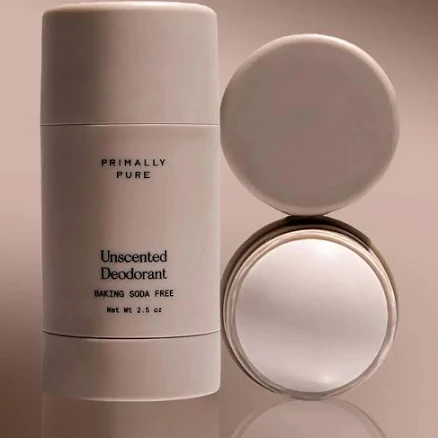
- mineral-based powder blend (arrowroot, magnesium hydroxide, mica)
- We found no PFAS statement from the brand
- Skin irritation from magnesium hydroxide alkalinity
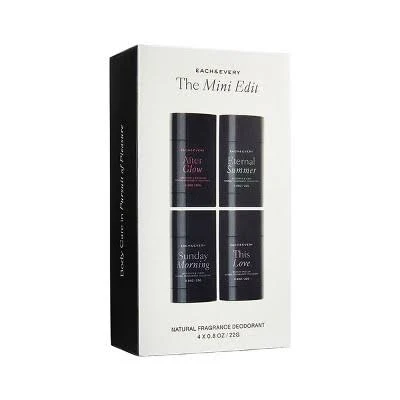
- cosmetic formulations, primary ingredients listed
- A third party reports verifying it as PFAS-free
- Fragrance allergens (natural essential oils)
2 hazards checked on this product, all on its full breakdown.
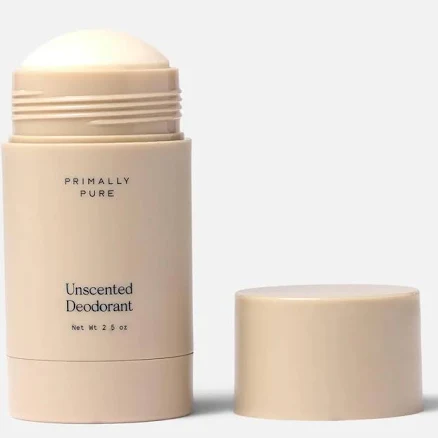
- natural mineral powders, plant-based actives, beeswax
- We found no PFAS statement from the brand
- Beeswax purity and contamination
2 hazards checked on this product, all on its full breakdown.
More deodorant grades
How we score, every product runs through the same public 0-100 rubric based on materials, coatings, brand disclosure, lab findings, and recalls. See the full methodology → Spotted a mistake? Report an error.