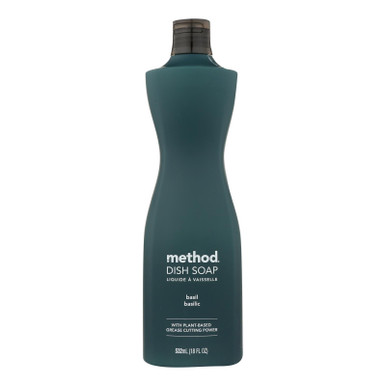
Method Dish Soap, Basil
Low PFAS concern; typical liquid soap formulation unlikely to contain PFAS.
Method dish soap is a liquid detergent with no known PFAS-prone materials or coatings. Brand does not disclose PFAS status, but product category and formulation type carry lower concern.
We flunk more products than we pass. This one earned its grade. How we grade
Material
Water and surfactants in aqueous solution
Lab data
No public lab test
You may also be interested in
Top-graded picks in the categories readers replace first, every one scored on the same rubric.

- polypropylene filter housing, carbon/sediment cartridge
- We found no PFAS statement from the brand
- Bacterial growth in spent cartridges
3 hazards checked on this product, all on its full breakdown.

Aquasure
Premier Series 75 GPD Under Sink Reverse Osmosis Water Filtration System
- RO membrane, carbon filters, stainless steel housing
- We found no PFAS statement from the brand
- Bacterial and microbial growth in housing and filters
4 hazards checked on this product, all on its full breakdown.

Avocado
Vegan Mattress
- organic cotton, natural latex, coconut coir, recycled steel coils
- The brand calls it PFAS-free, which we have not verified
- Heavy metals
2 hazards checked on this product, all on its full breakdown.
What Method Dish Soap, Basil is made of, ingredients and materials
Method Basil Dish Soap is a water-based liquid detergent containing surfactants (cleaning agents) and fragrance oils, with no solid coating, ceramic glaze, or chemical binders at risk of degradation. The active ingredients work by breaking down grease and oil so water can rinse them away; the formula does not require high-temperature stability or structural durability over time because it is consumed during use. No heat exposure or mechanical wear degrades this product in normal hand-washing scenarios, eliminating concerns tied to coating breakdown, leaching from matrix materials, or thermal fume release.
What’s concerning
Category baseline
The starting point for this type of product, before anything specific to this product is counted.
No PFAS disclosure
No public statement from the brand about PFAS in this product.
Fragrance allergens and contact irritation
Method Basil contains plant-based fragrance (basil oil and other botanicals); these are not regulated as drug ingredients and can trigger allergic contact dermatitis or irritation in sensitive skin, particularly with prolonged hand contact or in individuals with atopic dermatitis. Risk is low for typical use and thorough rinsing.
Preservative additives (potential for sensitization)
Liquid soaps require preservatives to prevent microbial growth during storage; Method does not disclose preservative type on public packaging, though common food-grade preservatives in plant-derived formulas include sorbic acid and citric acid derivatives. No documented sensitization incidents are on record for this brand's soap formulations.
What’s reassuring
Base material not linked to PFAS
The main material recorded for this product is not one associated with PFAS.
Eye and mucous membrane irritation from surfactants
Surfactants in dish soap are designed to be skin-safe at use dilution; undiluted contact with eyes or ingestion poses irritation or gastrointestinal discomfort, but this is inherent to all dish soaps, not specific to Method, and is addressed by standard warning labels and safety data sheets.
1,4-dioxane contamination in surfactant synthesis
1,4-dioxane is a known trace contaminant in some surfactant production pathways; no regulatory tests or public disclosures specific to Method Basil Dish Soap document its presence, and SC Johnson does not list this as a known issue in their formulations. Industry standard assumes low or undetectable levels in mainstream brands.
Aquatic toxicity from surfactant runoff
Surfactants in dish soap are biodegradable and widely used in environmental discharge models; Method does not claim or avoid claiming eco-toxicity testing. Concern is environmental fate, not consumer health hazard from household use.
How is this PFAS grade calculated?
The brand's record and disclosure
Method is owned by SC Johnson and markets products under sustainability and health-conscious branding, including use of plant-derived surfactants and plant-based fragrance in many formulations. The brand does not publicly disclose full ingredient lists on packaging beyond what regulation requires, and maintains a general 'clean' positioning rather than third-party certification (e.g., EWG, Cradle to Cradle, or EPA Safer Choice). No recalls, contamination incidents, or documented regulatory actions specific to Method dish soap appear in public records; the brand has faced no established controversies regarding this product category.
How it compares in its category
Liquid dish soaps as a category carry minimal chemical hazard compared to powders, sprays, or solid bars because they require no inhalation risk, fixed coating, or reactive binding agents. Method's formulation is typical for mainstream liquid dish soap, plant-derived surfactants are increasingly standard, and fragrance use is consistent with competitors like Seventh Generation and Dawn. Consumer reports and regulatory data show liquid hand-wash dishes soaps have a low hazard profile; concerns cluster around preservatives and fragrance allergens in very sensitive populations, not the base surfactant chemistry.
If you buy it
Use as directed on the label, dilute in water for hand washing and rinse thoroughly. Store in a sealed bottle away from heat and direct sunlight to preserve fragrance and prevent evaporation; liquid soaps do not require replacement on a schedule unless separation or odor change occurs, which typically signals age-related degradation of fragrance or preservative, not toxicity risk. For sensitive skin or fragrance allergies, rinse hands thoroughly after use or test a small amount first; Method fragrances are plant-based oils and can trigger contact irritation in atopic individuals, but are not systemic toxins.
What is not known about PFAS in this product?
- Basis
- Model estimate, 82% confidence, not a lab result
- Lab test
- None on record for this exact product
- Brand statement
- Method has made a specific claim
Formulations change between production runs, so check the current label. How we grade.
What are the PFAS-free alternatives to Method Dish Soap, Basil?
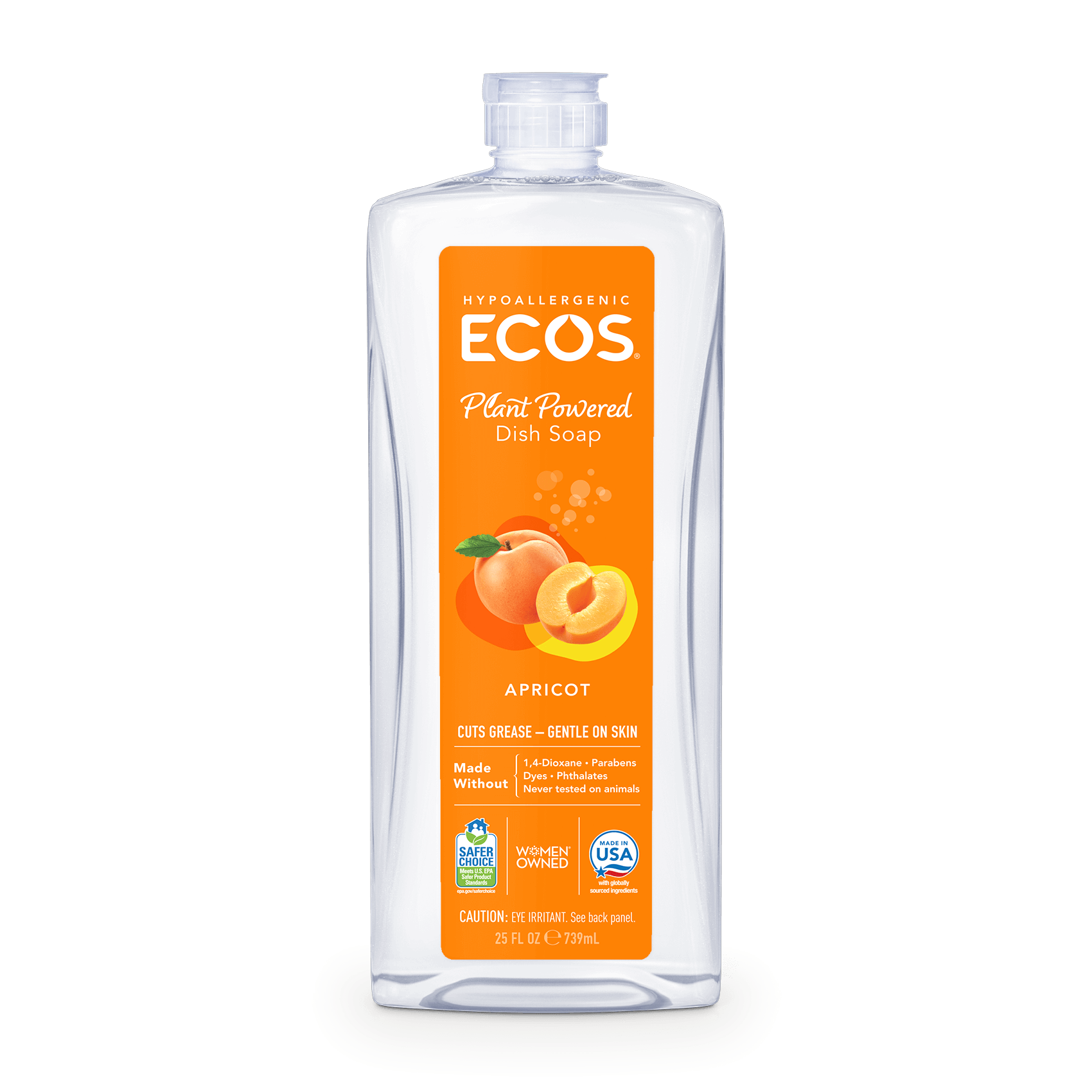
- plant-derived surfactants, water, botanical extracts
- A third party reports verifying it as PFAS-free
- Fragrance allergens (botanical origin)
2 hazards checked on this product, all on its full breakdown.
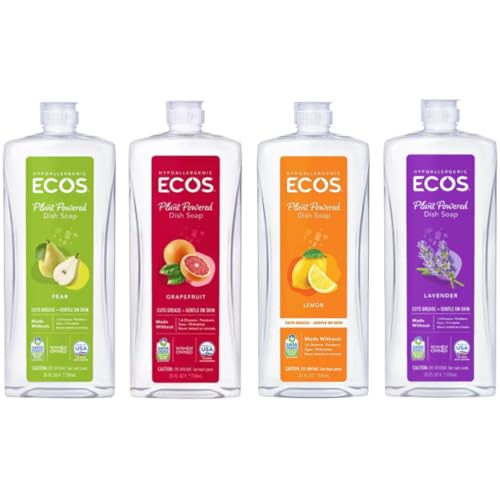
- plant-based surfactants, water, plant derivatives
- A third party reports verifying it as PFAS-free
- Aquatic toxicity from surfactants
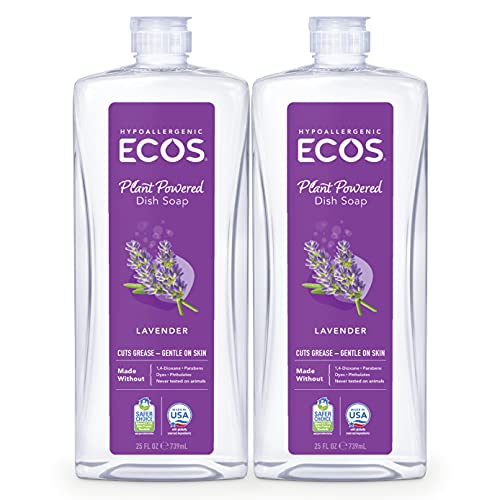
- Plant-based surfactants, water, essential oil
- The brand calls it PFAS-free, which we have not verified
- Fragrance allergens (essential oil)
2 hazards checked on this product, all on its full breakdown.
More dish soap grades
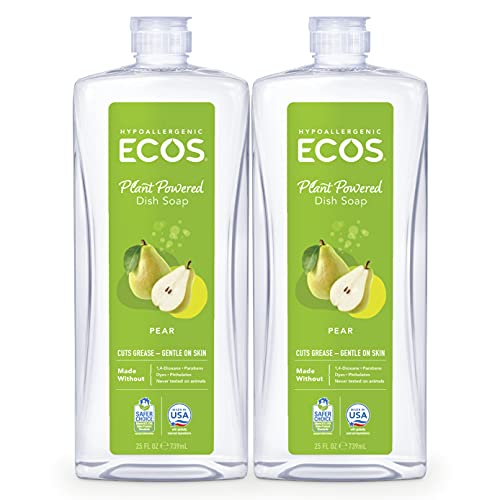 100ECOS Dish Soap – Pear
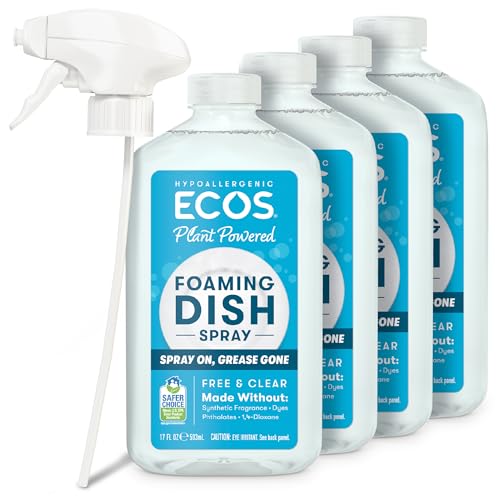 100ECOS Foaming Dish Soap – Free & Clear
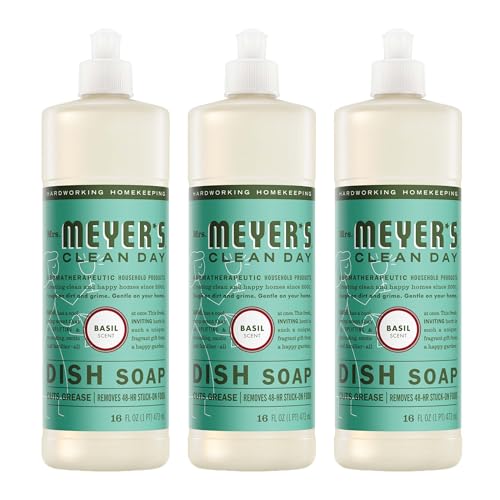 100Mrs. Meyer's Clean Day Basil Dish Soap
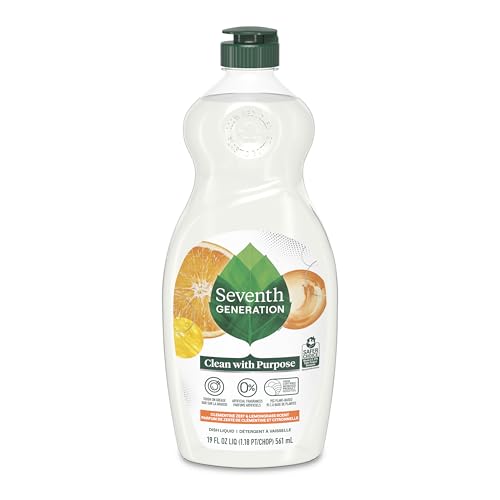 100Seventh Generation Dish Soap - Clementine Zest & Lemongrass
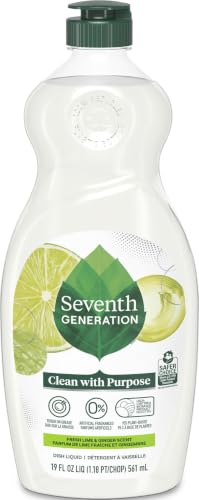 100Seventh Generation Dish Soap - Fresh Lime & Ginger
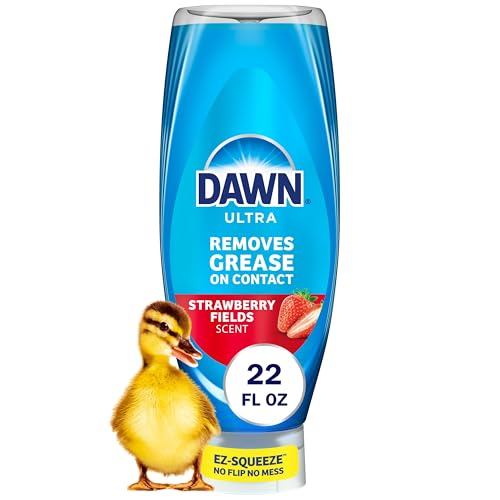 85Dawn Ultra Strawberry Fields
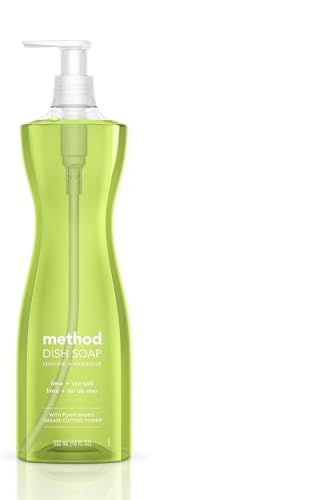 85Method Gel Dish Soap, Lime + Sea Salt
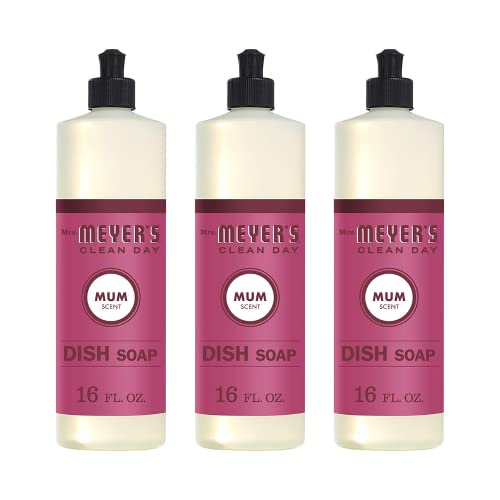 85Mrs. Meyer's Clean Day Mum Dish Soap
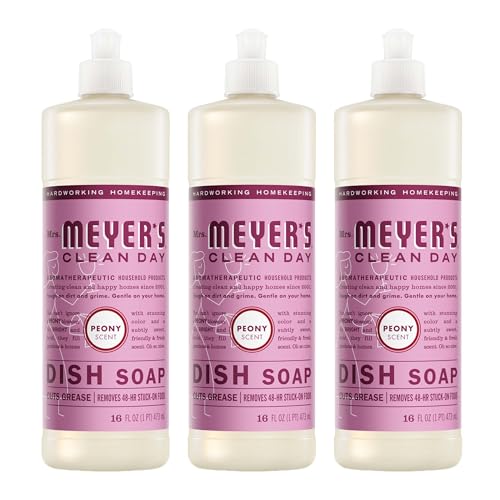 85Mrs. Meyer's Clean Day Peony Dish Soap
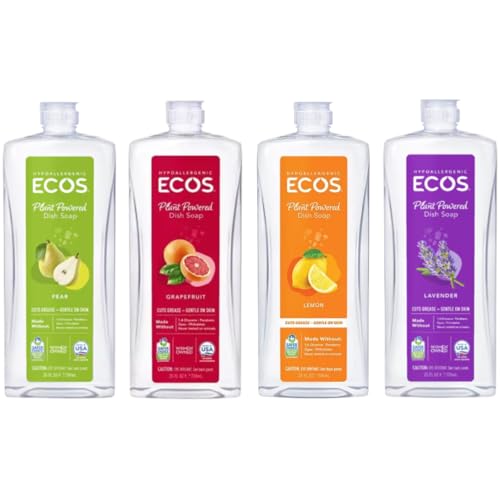 85ECOS Dish Soap – GrapefruitCompare vs Ecos →All dish soap →
How we score, every product runs through the same public 0-100 rubric based on materials, coatings, brand disclosure, lab findings, and recalls. See the full methodology → Spotted a mistake? Report an error.