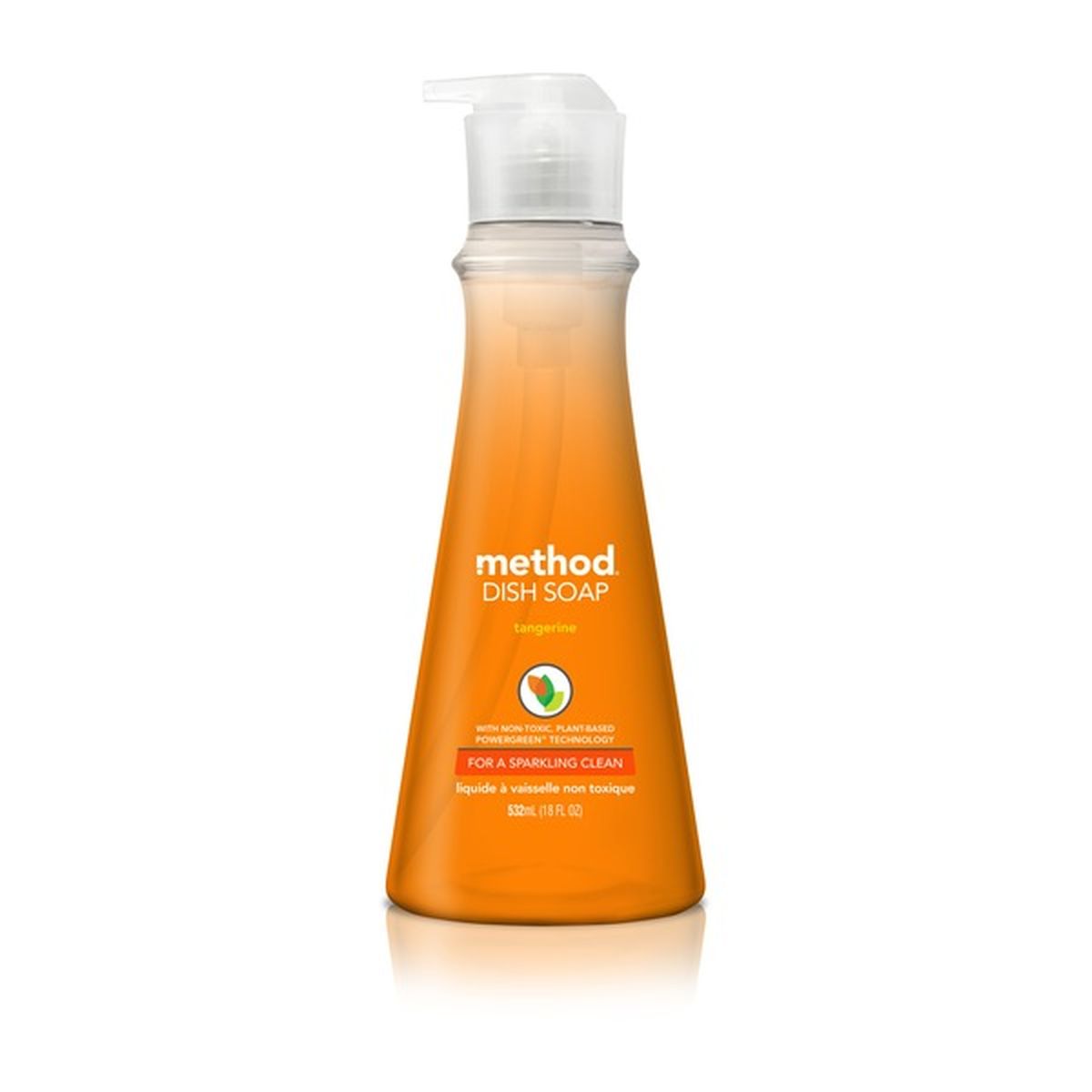
Method Dish Soap, Tangerine
Low PFAS risk. Liquid dish soap unlikely to contain PFAS.
Method's dish soap is a water-based liquid cleaner without known PFAS sources like nonstick coatings or water-repellent finishes. No PFAS claim made, but product category poses minimal concern.
We flunk more products than we pass. This one earned its grade. How we grade
Material
Water-based liquid soap concentrate
Lab data
No public lab test
You may also be interested in
Top-graded picks in the categories readers replace first, every one scored on the same rubric.

- polypropylene filter housing, carbon/sediment cartridge
- We found no PFAS statement from the brand
- Bacterial growth in spent cartridges
3 hazards checked on this product, all on its full breakdown.

Aquasure
Premier Series 75 GPD Under Sink Reverse Osmosis Water Filtration System
- RO membrane, carbon filters, stainless steel housing
- We found no PFAS statement from the brand
- Bacterial and microbial growth in housing and filters
4 hazards checked on this product, all on its full breakdown.

Avocado
Vegan Mattress
- organic cotton, natural latex, coconut coir, recycled steel coils
- The brand calls it PFAS-free, which we have not verified
- Heavy metals
2 hazards checked on this product, all on its full breakdown.
What Method Dish Soap, Tangerine is made of, ingredients and materials
Method Dish Soap Tangerine is a water-based liquid concentrate formulated without traditional phosphates or harsh solvents. The product relies on surfactants (detergent compounds) and botanical fragrance to clean, suspended in water. Liquid dish soaps in this category avoid the coating-integrity and aluminum-leaching risks of cookware, making material safety concerns minimal compared to products that contact heated surfaces or remain on skin.
What’s concerning
Category baseline
The starting point for this type of product, before anything specific to this product is counted.
No PFAS disclosure
No public statement from the brand about PFAS in this product.
Fragrance allergens (tangerine botanical extract)
Citrus-derived fragrances and essential oils can trigger contact dermatitis or respiratory sensitivity in susceptible individuals, particularly with prolonged hand exposure or inhalation in poorly ventilated spaces during washing. Method does not disclose specific fragrance constituents (common industry practice), so individual allergen identification is not possible from public information.
Skin irritation from surfactants at high concentration
This is a concentrate product, meaning undiluted exposure poses higher irritation risk than ready-to-use soaps. Direct contact with concentrate or prolonged submersion in diluted solution may cause temporary skin drying or mild irritation in sensitive individuals; standard dishwashing precautions (rinse hands, use moderately warm water) mitigate this.
What’s reassuring
Base material not linked to PFAS
The main material recorded for this product is not one associated with PFAS.
1,4-dioxane (from preservative residuals)
Liquid soaps formulated after the mid-2010s typically avoid dioxane-releasing preservatives in favor of alternatives; no established reports of dioxane contamination in current Method formulations. However, Method's ingredients list does not explicitly confirm preservative selection, so presence cannot be ruled out without independent testing.
Heavy metals
Method products typically use approved synthetic dyes or natural colorants. No recalls or testing reports of lead, cadmium, or other heavy metals in Method Dish Soap have been established. Colorant migrates only if the product contacts skin or ingested, not through dishware residue.
Source, FDA ↗Microplastic shedding
This liquid concentrate does not contain microbeads or plastic exfoliants, and the plastic bottle does not shed particles into the soap itself during normal storage or use. Concern applies only to rinse-off products containing intentional plastic microparticles, which this product does not.
How is this PFAS grade calculated?
The brand's record and disclosure
Method is owned by SC Johnson and has positioned itself as a 'clean' household brand with ingredient transparency practices. The company publishes ingredient lists and has not faced major recalls or established chemical controversies for this product. Method has not explicitly disclosed PFAS testing or a PFAS elimination commitment for this line, though the liquid concentrate formulation and aqueous base lower likelihood of intentional PFAS use.
How it compares in its category
Liquid dish soaps as a category carry fewer hazards than solid bars or highly concentrated powders. Method Tangerine sits in the mid-market 'plant-derived' segment, which typically avoids petrochemical extremes but does not guarantee absence of all synthetic additives. It is comparable in safety profile to similar brands (Seventh Generation, Mrs. Meyer's, Ecos) that use water-based surfactant blends; all are considered lower-concern than industrial detergents or older formulations with dioxane-releasing preservatives.
If you buy it
Use as directed on the label; the concentrate should be diluted before application. Store in a cool, dry place away from direct sunlight to preserve fragrance integrity and prevent degradation of the surfactant blend. No special precautions are required beyond standard dishwashing safety (rinse dishes thoroughly, avoid contact with eyes). For households with young children or pets, ensure the bottle is capped and stored out of reach, as ingestion of concentrated dish soap can cause gastrointestinal upset.
What is not known about PFAS in this product?
- Basis
- Model estimate, 75% confidence, not a lab result
- Lab test
- None on record for this exact product
- Brand statement
- Method has made a specific claim
Formulations change between production runs, so check the current label. How we grade.
What are the PFAS-free alternatives to Method Dish Soap, Tangerine?
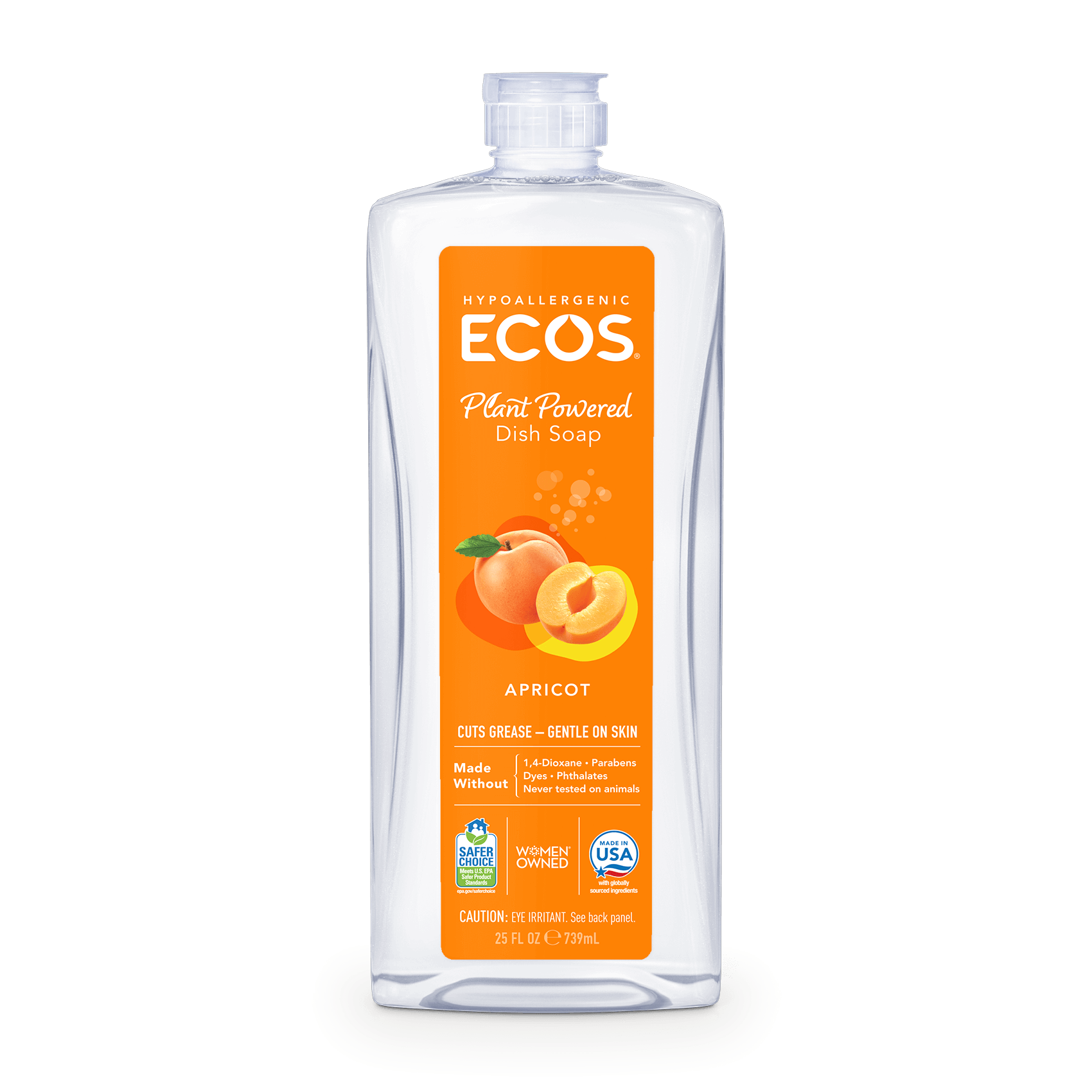
- plant-derived surfactants, water, botanical extracts
- A third party reports verifying it as PFAS-free
- Fragrance allergens (botanical origin)
2 hazards checked on this product, all on its full breakdown.
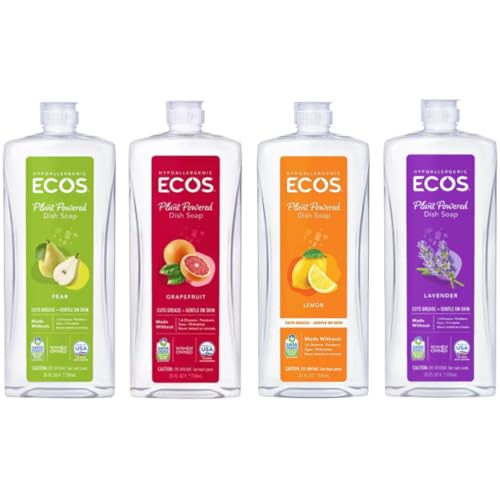
- plant-based surfactants, water, plant derivatives
- A third party reports verifying it as PFAS-free
- Aquatic toxicity from surfactants
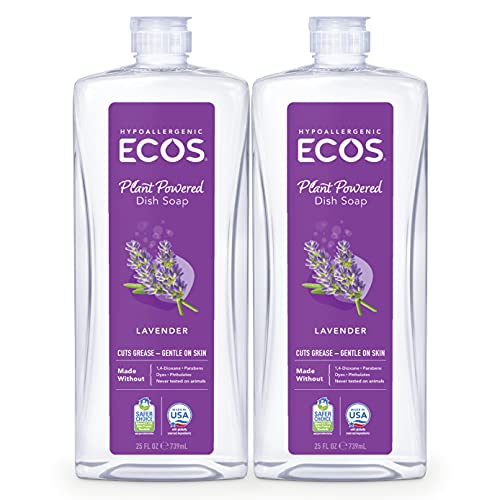
- Plant-based surfactants, water, essential oil
- The brand calls it PFAS-free, which we have not verified
- Fragrance allergens (essential oil)
2 hazards checked on this product, all on its full breakdown.
More dish soap grades
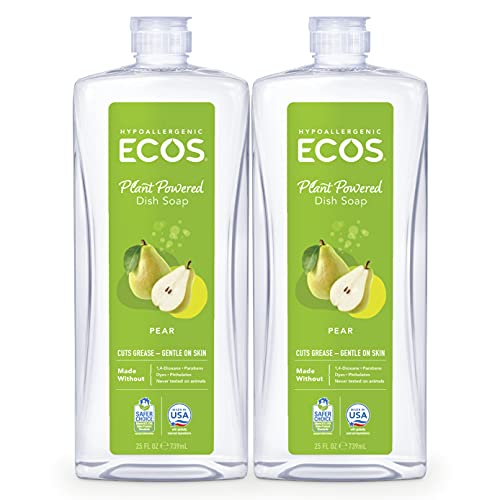 100ECOS Dish Soap – Pear
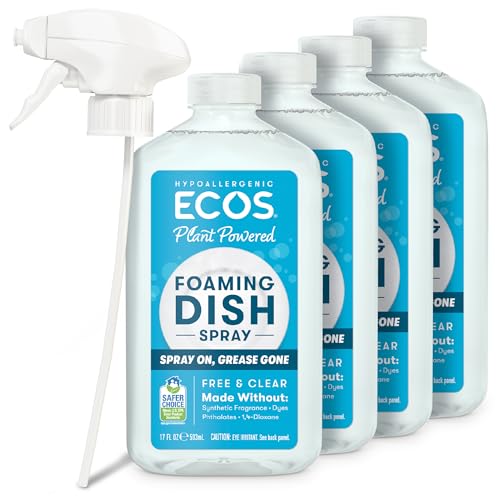 100ECOS Foaming Dish Soap – Free & Clear
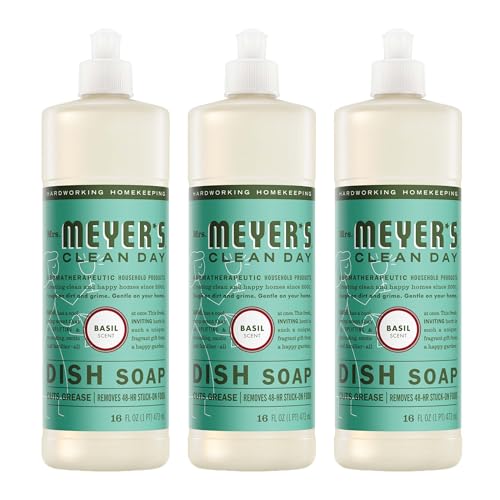 100Mrs. Meyer's Clean Day Basil Dish Soap
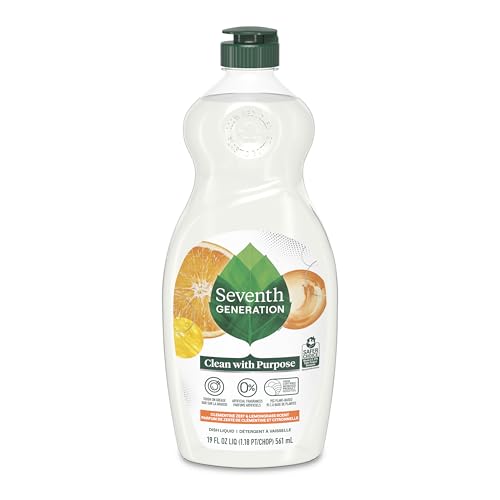 100Seventh Generation Dish Soap - Clementine Zest & Lemongrass
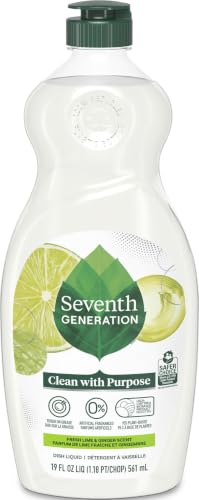 100Seventh Generation Dish Soap - Fresh Lime & Ginger
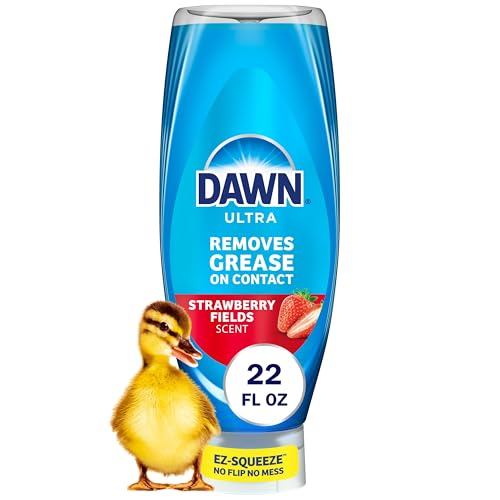 85Dawn Ultra Strawberry Fields
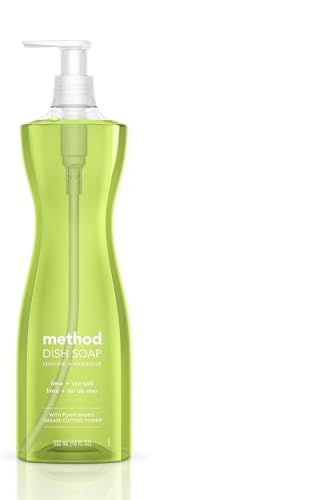 85Method Gel Dish Soap, Lime + Sea Salt
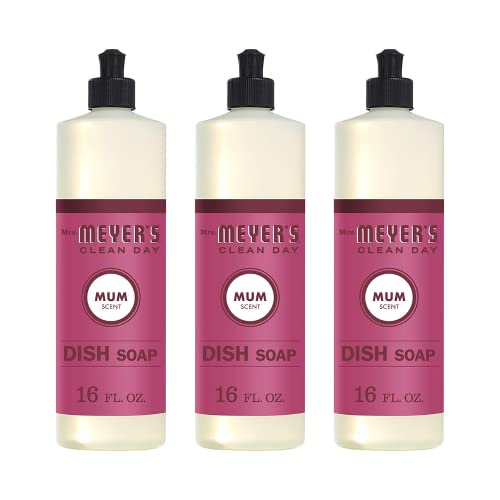 85Mrs. Meyer's Clean Day Mum Dish Soap
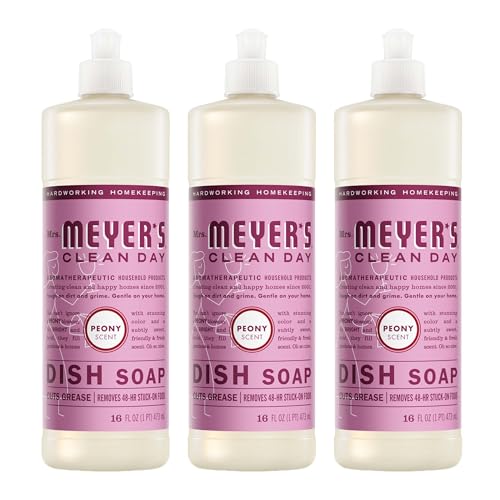 85Mrs. Meyer's Clean Day Peony Dish Soap
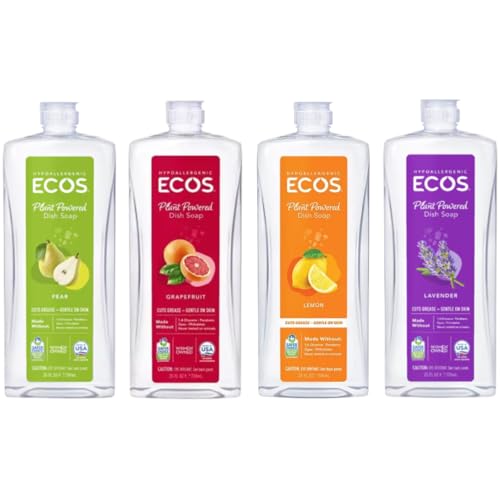 85ECOS Dish Soap – GrapefruitCompare vs Ecos →All dish soap →
How we score, every product runs through the same public 0-100 rubric based on materials, coatings, brand disclosure, lab findings, and recalls. See the full methodology → Spotted a mistake? Report an error.