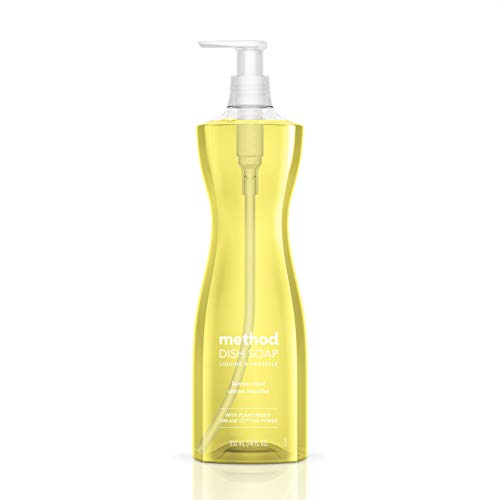
Method Gel Dish Soap, Lemon Mint
Liquid dish soap with lower PFAS concern; no known treatment triggers.
Method gel dish soap is a liquid surfactant product with no coating, nonstick, or water-repellent treatments typical of PFAS use. No public PFAS claims or third-party verification available.
We flunk more products than we pass. This one earned its grade. How we grade
Material
water, plant-derived surfactants, essential oils
Lab data
No public lab test
You may also be interested in
Top-graded picks in the categories readers replace first, every one scored on the same rubric.

- polypropylene filter housing, carbon/sediment cartridge
- We found no PFAS statement from the brand
- Bacterial growth in spent cartridges
3 hazards checked on this product, all on its full breakdown.

Aquasure
Premier Series 75 GPD Under Sink Reverse Osmosis Water Filtration System
- RO membrane, carbon filters, stainless steel housing
- We found no PFAS statement from the brand
- Bacterial and microbial growth in housing and filters
4 hazards checked on this product, all on its full breakdown.

Avocado
Vegan Mattress
- organic cotton, natural latex, coconut coir, recycled steel coils
- The brand calls it PFAS-free, which we have not verified
- Heavy metals
2 hazards checked on this product, all on its full breakdown.
What Method Gel Dish Soap, Lemon Mint is made of, ingredients and materials
Method Gel Dish Soap is a water-based formula relying on plant-derived surfactants (coconut and palm kernel oils) rather than petroleum-based detergents. The product includes essential oils (lemon mint in this variant) for fragrance and preservatives, but avoids synthetic fragrance compounds that carry higher allergen load. The gel suspension itself is thickened with polymers and stabilizers rather than silicones, reducing likelihood of microplastic accumulation in wastewater.
What’s concerning
Category baseline
The starting point for this type of product, before anything specific to this product is counted.
No PFAS disclosure
No public statement from the brand about PFAS in this product.
Fragrance allergens (essential oils)
Lemon mint variant contains limonene and menthol, naturally occurring terpenoids that can trigger contact dermatitis or respiratory sensitivity in a subset of users. Risk is low during normal dishwashing with thorough rinsing, but higher for individuals with sensitive skin or asthma.
What’s reassuring
Base material not linked to PFAS
The main material recorded for this product is not one associated with PFAS.
Preservative sensitizers
Method's published formulations use sodium benzoate or citric acid as preservatives, neither of which carries established skin or systemic toxicity concerns at product-use concentrations. No recalls or adverse event clusters linked to this product's preservative system are on record.
Heavy metals
Liquid dish soap formulas do not typically employ mineral-based pigments or metal oxides. The lemon mint color likely derives from food-grade colorants or plant extracts, which are not subject to heavy metal accumulation risk.
Source, FDA ↗Microplastic content or release
Plant-derived surfactant gels do not require microbeads for exfoliation, and polymeric thickeners used in this formula are water-soluble and biodegradable under standard wastewater treatment. No evidence of microplastic shedding from this product exists.
Toxic inhalation or skin burn risk
Dish soaps are formulated at neutral pH for hand safety and lack corrosive or volatile components. Essential oils at dishwashing-use dilution do not pose meaningful inhalation hazard during normal kitchen ventilation.
How is this PFAS grade calculated?
The brand's record and disclosure
Method maintains published ingredient lists on-package and online, which exceeds disclosure norms for household cleaners. The brand has not pursued formal third-party certifications (EcoLogo, Green Seal) but aligns with cleaner chemistry principles. No safety recalls or toxicity incidents are on record for this product line. The brand's public stance on PFAS is limited, though the product formulation itself does not flag known PFAS-bearing additives such as fluorinated polymers or aqueous film-forming foam residues.
How it compares in its category
Conventional dish soaps often rely on synthetic surfactants and fragrance compounds (aldehydes, phthalates) not present in Method's plant-derived approach. Most gel dish soaps pose minimal ingestion risk because rinsing removes residue; however, Method's use of essential oils and plant extracts ranks lower in sensitizer potential than perfume blends in budget brands. Water-based gels like this one avoid the sulfate load and heavy perfume profiles associated with many name-brand alternatives.
If you buy it
Use as directed, a small amount per load, rinse thoroughly to remove residue. The essential oil content may irritate sensitive skin on prolonged contact; wear gloves if washing by hand for extended periods. Store below 25C in a sealed container away from direct sunlight to preserve plant-derived ingredients and avoid separation. Discontinue use if skin irritation develops and rinse with water.
What is not known about PFAS in this product?
- Basis
- Model estimate, 78% confidence, not a lab result
- Lab test
- None on record for this exact product
- Brand statement
- Method has made a specific claim
Formulations change between production runs, so check the current label. How we grade.
What are the PFAS-free alternatives to Method Gel Dish Soap, Lemon Mint?
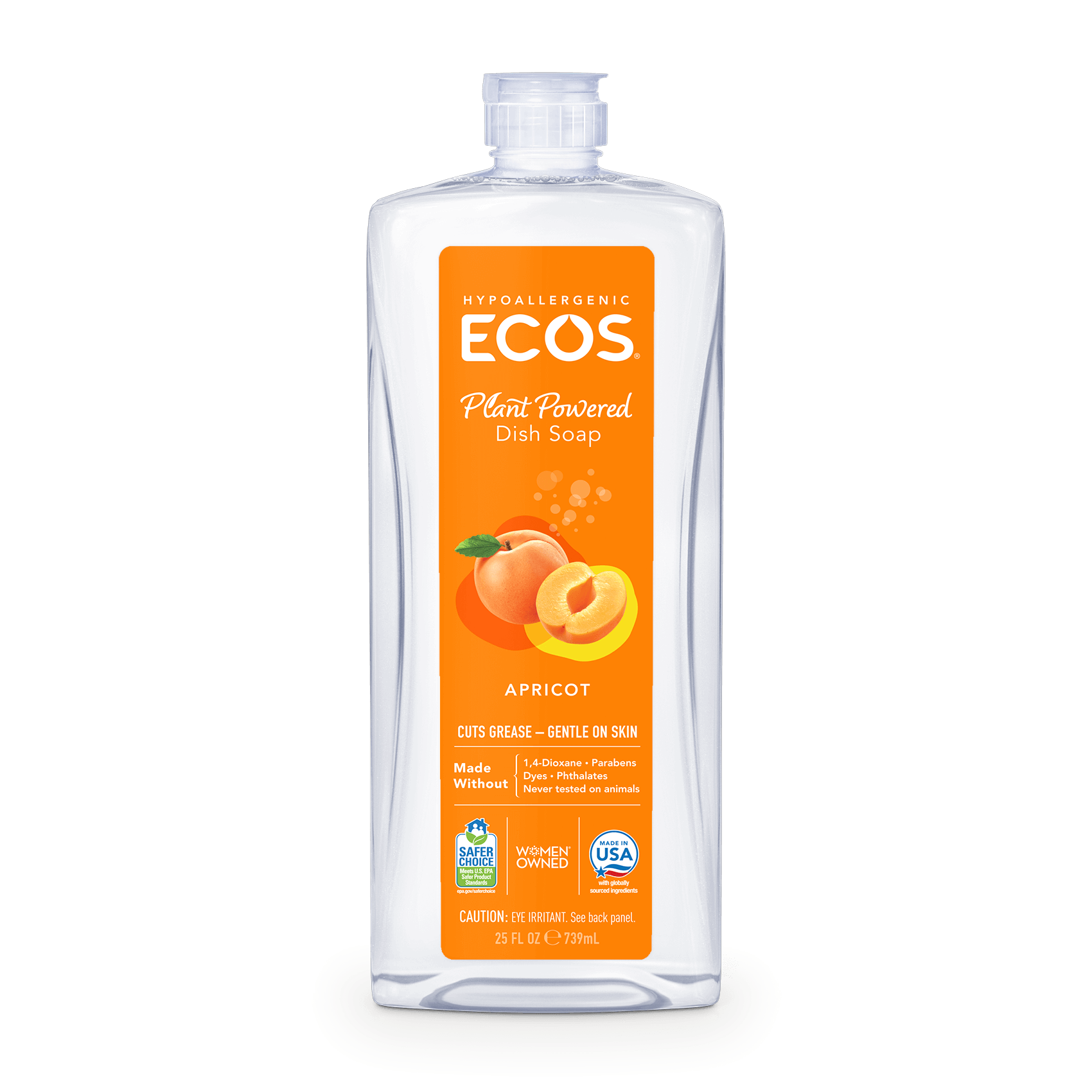
- plant-derived surfactants, water, botanical extracts
- A third party reports verifying it as PFAS-free
- Fragrance allergens (botanical origin)
2 hazards checked on this product, all on its full breakdown.
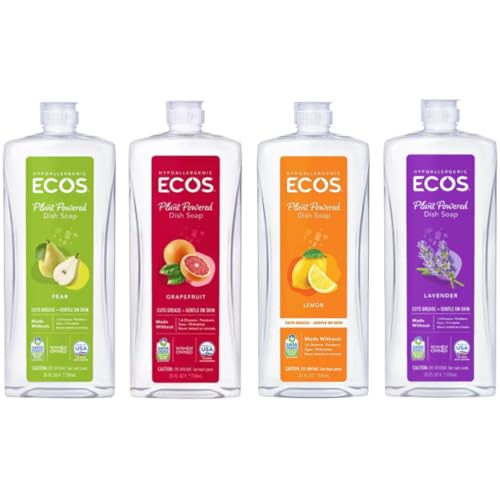
- plant-based surfactants, water, plant derivatives
- A third party reports verifying it as PFAS-free
- Aquatic toxicity from surfactants
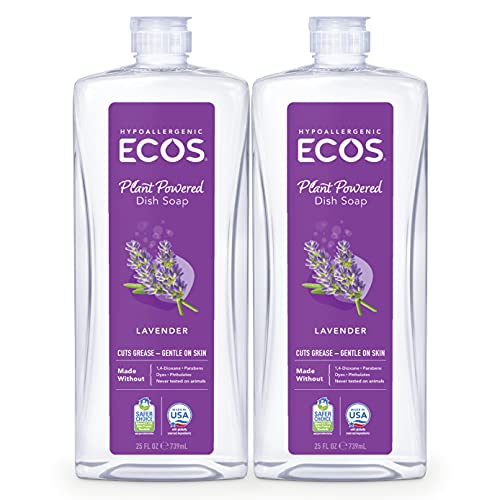
- Plant-based surfactants, water, essential oil
- The brand calls it PFAS-free, which we have not verified
- Fragrance allergens (essential oil)
2 hazards checked on this product, all on its full breakdown.
More dish soap grades
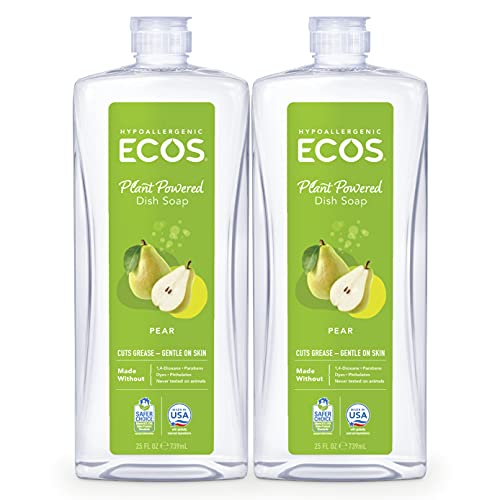 100ECOS Dish Soap – Pear
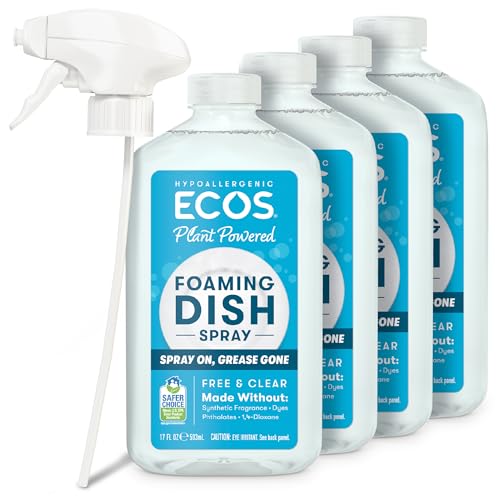 100ECOS Foaming Dish Soap – Free & Clear
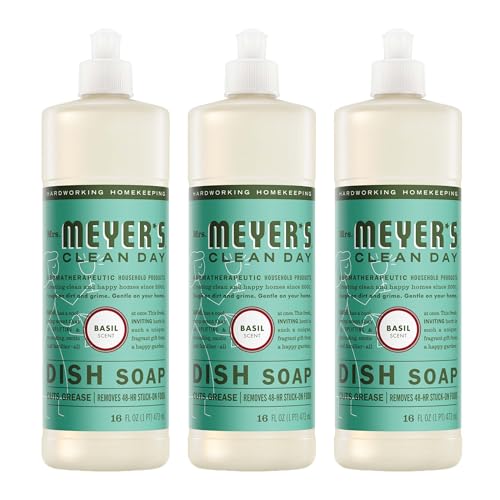 100Mrs. Meyer's Clean Day Basil Dish Soap
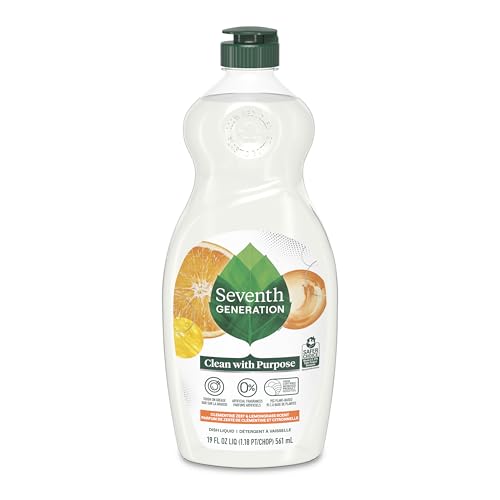 100Seventh Generation Dish Soap - Clementine Zest & Lemongrass
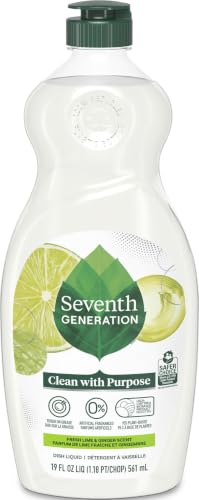 100Seventh Generation Dish Soap - Fresh Lime & Ginger
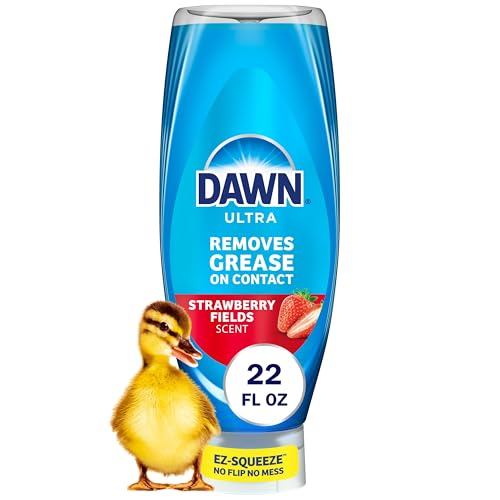 85Dawn Ultra Strawberry Fields
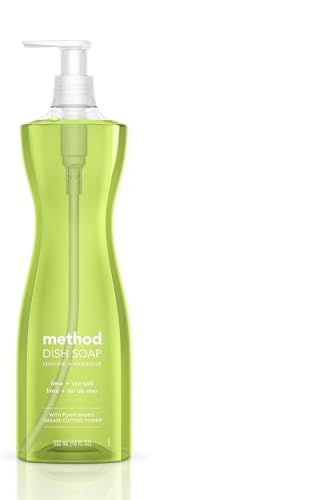 85Method Gel Dish Soap, Lime + Sea Salt
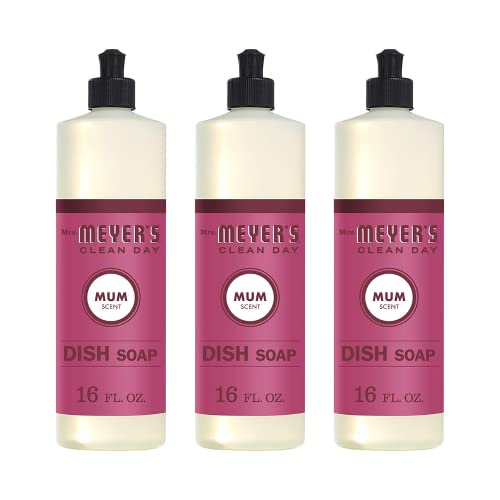 85Mrs. Meyer's Clean Day Mum Dish Soap
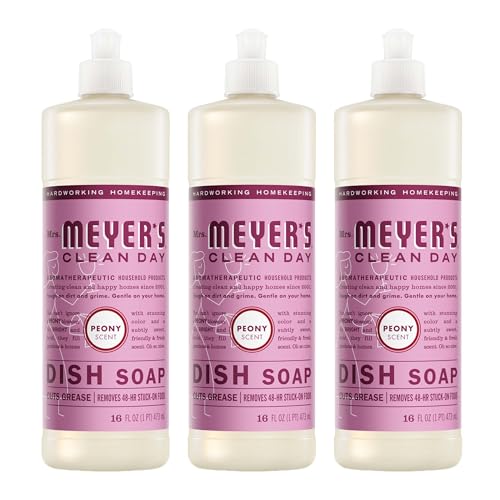 85Mrs. Meyer's Clean Day Peony Dish Soap
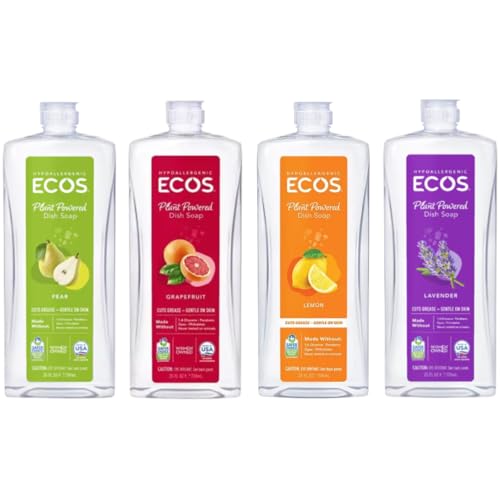 85ECOS Dish Soap – GrapefruitCompare vs Ecos →All dish soap →
How we score, every product runs through the same public 0-100 rubric based on materials, coatings, brand disclosure, lab findings, and recalls. See the full methodology → Spotted a mistake? Report an error.