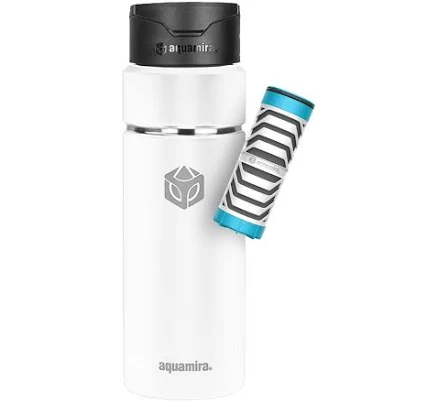
Aquamira Shift Filter Bottle
Lower concern filter bottle; contact brand for full material specs.
Activated carbon and ion exchange filtration work inside Aquamira's plastic housing. These filter types typically avoid PFAS.
We flunk more products than we pass. This one earned its grade. How we grade
Material
activated carbon and/or ion exchange filter media, plastic bottle housing
Brand disclosure
Brand is silent on PFAS
Lab data
No public lab test
What Aquamira Shift Filter Bottle is made of, ingredients and materials
The Aquamira Shift uses activated carbon and ion-exchange resin as filter media, both inert materials with long safety records in water treatment. The housing is plastic (likely polypropylene or polyethylene), which is stable at room temperature and not exposed to heat in typical use. No volatile organic compounds or formaldehyde are inherent to these materials when manufactured to standard; the filter operates passively without heating or chemical reactions that would create fume risk.
What’s concerning
Category baseline
The starting point for this type of product, before anything specific to this product is counted.
No PFAS disclosure
No public statement from the brand about PFAS in this product.
Bacterial growth in filter media or housing
Activated carbon can harbor bacteria if the bottle is left wet, not air-dried, or the filter cartridge is not replaced on schedule. Mira does not publish detailed maintenance protocols, increasing user error risk.
Filter media degradation and microplastic shedding
If the filter cartridge is used beyond rated lifespan or physically damaged, activated carbon particles may shed into filtered water. Aquamira does not clearly specify when particles begin to leach or provide visual wear indicators.
Incomplete contaminant removal if filter expired
Portable carbon filters are not designed to remove all pathogens or chemicals (e.g., viruses, nitrates); effectiveness degrades after 40 gallons. Users expecting full purification without boiling or chemical treatment may be underprotected in high-risk water sources.
Housing material transparency (unverified plastics)
Mira does not publicly confirm whether the bottle housing contains recycled plastics, UV stabilizers, or other additives that could theoretically leach. This is a disclosure gap rather than a known hazard, but limits independent verification.
What’s reassuring
Base material not linked to PFAS
The main material recorded for this product is not one associated with PFAS.
BPA & bisphenols
Polypropylene or polyethylene housing at room temperature does not release BPA or BPS under normal conditions. No documented leaching incidents for this product line; risk is extremely low but not formally certified by the brand.
Source, FDA ↗The full breakdown
The brand's record and disclosure
Aquamira (part of Katadyn Group) has minimal public disclosure of full material specifications or third-party testing for housing plastics on this product. No recalls or contamination incidents are on record for the Shift bottle specifically. The brand does not publicly address PFAS use or absence in filter media or housing, leaving material sourcing opacity as a minor transparency gap. Industry standard suggests carbon/resin filters do not require PFAS chemistry, but brand silence prevents full verification.
How it compares in its category
Portable carbon-filter bottles (Aquamira Shift, LifeStraw, Grayl) have lower concern than pitcher filters or under-sink systems because they have minimal housing surface area and simpler designs that reduce leaching risk. Unlike ceramic filters, carbon media does not degrade into microplastics or shed particles into water when properly maintained. The Shift is middle-market; higher-end brands (Grayl, LifeStraw) publish more complete material specs, while budget alternatives occasionally lack maintenance guidance that prevents bacterial regrowth.
If you buy it
Replace the filter cartridge every 40 gallons or per manufacturer guidance; expired filters lose effectiveness and may harbor bacteria in the media. Store the bottle dry between uses to prevent mold or bacterial biofilm in the housing. Do not leave filled water sitting longer than 24 hours before use. Rinse the bottle interior weekly with clean water if in regular rotation to minimize stagnant water and microbial growth risk.
What we don’t know
- Basis
- Model estimate, 62% confidence, not a lab result
- Lab test
- None on record for this exact product
- Brand statement
- Mira has made none
Formulations change between production runs, so check the current label. How we grade.
Better-graded alternatives in Portable Water Bottles
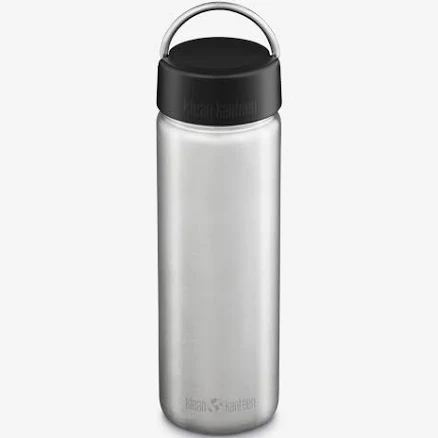
Klean Kanteen
27oz Wide Water Bottle with Loop Cap
- 18/8 stainless steel, no interior coating
- The brand calls it PFAS-free, which we have not verified
- Cap or closure contamination
2 hazards checked on this product. See all of them.
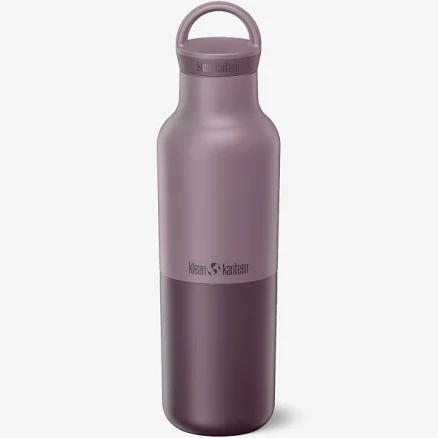
Klean Kanteen
Rise Classic Insulated Water Bottle
- stainless steel body, foam insulation, stainless steel cap
- The brand calls it PFAS-free, which we have not verified
- Cap gasket and seal contamination
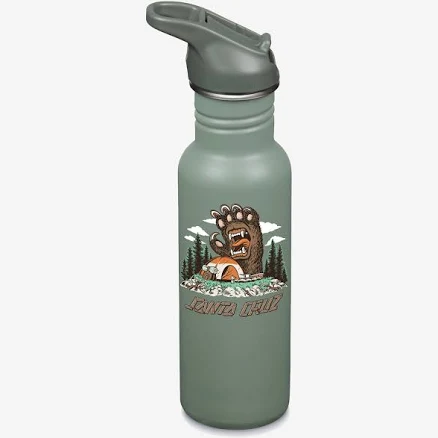
Klean Kanteen
Classic Flip Seal Sport Cap
- Stainless steel bottle, plastic flip cap
- The brand calls it PFAS-free, which we have not verified
- Plastic cap degradation and microplastic shedding
3 hazards checked on this product. See all of them.
More portable water bottles grades
How we score, every product runs through the same public 0-100 rubric based on materials, coatings, brand disclosure, lab findings, and recalls. See the full methodology → Spotted a mistake? Report an error.