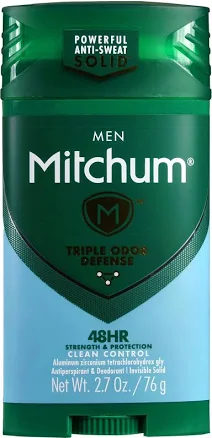
Mitchum Advanced Clean Control Anti-Perspirant Deodorant Stick
Lower PFAS concern, no water-repellent coating needed for powder format.
Mitchum's talc-based powder stick lacks the water-resistant or nonstick coatings that typically trigger PFAS use. No PFAS claims, public testing, or recalls exist for this product.
We flunk more products than we pass. This one earned its grade. How we grade
Material
Talc-based powder stick with wax binders
Brand disclosure
Brand is silent on PFAS
Lab data
No public lab test
You may also be interested in
Top-graded picks in the categories readers replace first, every one scored on the same rubric.

- polypropylene filter housing, carbon/sediment cartridge
- We found no PFAS statement from the brand
- Bacterial growth in spent cartridges
3 hazards checked on this product, all on its full breakdown.

Aquasure
Premier Series 75 GPD Under Sink Reverse Osmosis Water Filtration System
- RO membrane, carbon filters, stainless steel housing
- We found no PFAS statement from the brand
- Bacterial and microbial growth in housing and filters
4 hazards checked on this product, all on its full breakdown.

Avocado
Vegan Mattress
- organic cotton, natural latex, coconut coir, recycled steel coils
- The brand calls it PFAS-free, which we have not verified
- Heavy metals
2 hazards checked on this product, all on its full breakdown.
What Mitchum Advanced Clean Deodorant Stick is made of, ingredients and materials
Mitchum Advanced Clean Control is a powder-based antiperspirant stick formulated with talc as the primary base, combined with wax binders (typically paraffin or similar) and aluminum salts (likely aluminum zirconium as the active antiperspirant agent). The talc provides absorbency and slip; the wax allows it to adhere as a solid stick form. This format does not require water-repellent coatings, which is why PFAS concern is lower than in water-resistant textiles or some cosmetic powders with Teflon-family coating additives.
What’s concerning
Category baseline
The starting point for this type of product, before anything specific to this product is counted.
No PFAS disclosure
No public statement from the brand about PFAS in this product.
Talc contamination (asbestos risk)
Talc ore can contain asbestos depending on mining source and processing. Mitchum does not publicly disclose asbestos testing or sourcing standards. While regulatory talc used in cosmetics must meet FDA purity standards, third-party verification is absent from available brand communications. Risk is low under normal use (dermal exposure only, no inhalation during application); higher if powder is a
Aluminum salt absorption (systemic aluminum)
Antiperspirant-active aluminum salts (aluminum zirconium compounds) are absorbed percutaneously at low levels. Long-term daily use of aluminum antiperspirants has been epidemiologically linked to potential aluminum bioaccumulation, though causation to Alzheimer's or bone disease remains unconfirmed by major health agencies. FDA has approved antiperspirant aluminum at specific concentration levels for general use
Fragrance allergen sensitization
Mitchum Advanced Clean Control contains fragrance compounds (not itemized on label, as is standard FDA allowance). Common fragrance constituents in mass-market deodorants include limonene, linalool, and geraniol, which can trigger contact dermatitis or respiratory irritation in sensitive individuals. No brand-specific fragrance allergen incident record is on file, but fragrance remains the leading
Skin irritation from aluminum salts or additives
Aluminum zirconium antiperspirant compounds can cause localized irritation, rash, or folliculitis in ~1-5% of regular users, particularly in warm climates or after shaving. Mitchum's formulation does not include botanical or calming additives (e.g., aloe, chamomile) that might buffer irritation. Discontinuation typically resolves symptoms within 48-72 hours.
What’s reassuring
Base material not linked to PFAS
The main material recorded for this product is not one associated with PFAS.
Formaldehyde / VOCs
Mitchum's publicly available ingredient disclosures do not indicate formaldehyde releasers (such as DMDM hydantoin or imidazolidinyl urea); talc-based stick formats typically use paraffin wax and aluminum compounds, which do not require formaldehyde donors. No recalls or reports of formaldehyde off-gassing have been documented for this product line.
Source, ATSDR ↗How is this PFAS grade calculated?
The brand's record and disclosure
Mitchum (owned by Revlon) does not maintain a publicly visible position statement on talc sourcing, asbestos testing protocols, or fragrance allergen transparency. The brand has not faced major recalls or lawsuits tied to talc contamination as of available records, but does not voluntarily publish third-party safety certifications or raw material supplier audits. This represents a 'silent' stance typical of mass-market deodorant brands that rely on baseline FDA compliance rather than proactive disclosure.
How it compares in its category
Talc-based stick deodorants are a conventional middle market segment. Competitors like Dove and Secret use similar talc formulations; higher-end brands (Lavanila, Native) often market talc-free alternatives using corn starch or arrowroot. Clinical-strength sticks in the same price tier (Degree, Sure) also rely on talc-based matrices. Mitchum's positioning is price-accessible and stable; no performance or safety outlier relative to peers.
If you buy it
Store in a cool, dry location away from direct heat or sunlight; talc-based sticks can soften or separate if exposed to temperatures above 85°F. Replace every 6-12 months or when the stick becomes crumbly or depleted. If you have sensitive skin or a known talc allergy, patch-test on inner arm first. Wash hands after application and avoid inhaling powder cloud during application to minimize respiratory exposure to fine talc particles.
What is not known about PFAS in this product?
- Basis
- Model estimate, 72% confidence, not a lab result
- Lab test
- None on record for this exact product
- Brand statement
- Mitchum has made none
Formulations change between production runs, so check the current label. How we grade.
What are the PFAS-free alternatives to Mitchum Advanced Clean Control Anti-Perspirant Deodorant Stick?
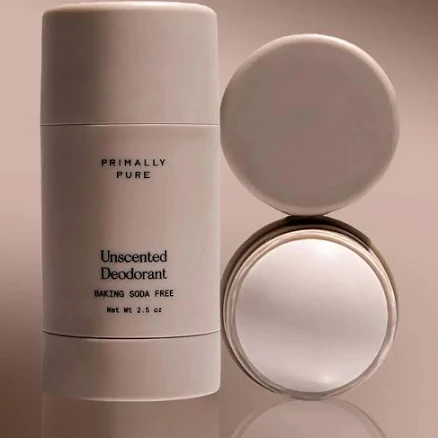
- mineral-based powder blend (arrowroot, magnesium hydroxide, mica)
- We found no PFAS statement from the brand
- Skin irritation from magnesium hydroxide alkalinity
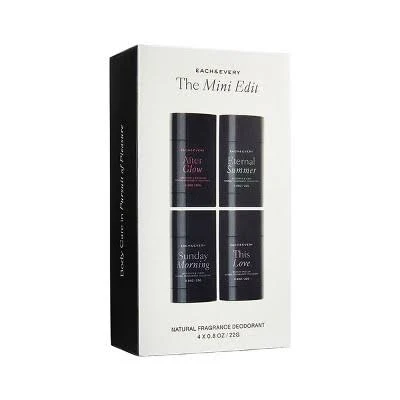
- cosmetic formulations, primary ingredients listed
- A third party reports verifying it as PFAS-free
- Fragrance allergens (natural essential oils)
2 hazards checked on this product, all on its full breakdown.
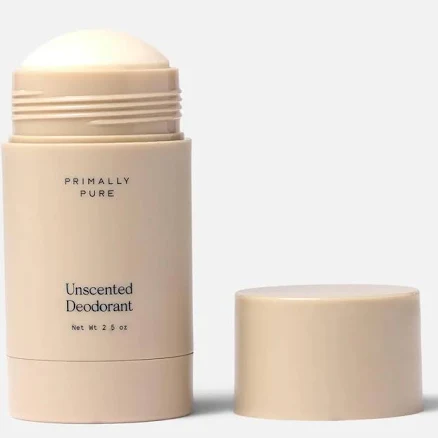
- natural mineral powders, plant-based actives, beeswax
- We found no PFAS statement from the brand
- Beeswax purity and contamination
2 hazards checked on this product, all on its full breakdown.
More deodorant grades
How we score, every product runs through the same public 0-100 rubric based on materials, coatings, brand disclosure, lab findings, and recalls. See the full methodology → Spotted a mistake? Report an error.