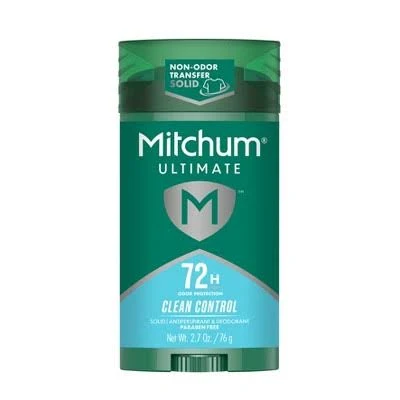
Mitchum Men's Ultimate 72H Odor Protection Antiperspirant & Deodorant
Lower concern than water-resistant cosmetics, but no brand PFAS disclosure given.
Mitchum makes no PFAS disclosure for this antiperspirant stick. Traditional antiperspirant formulations typically avoid water-repellent coating coatings that contain PFAS, but no third-party verification exists.
The better-graded swap
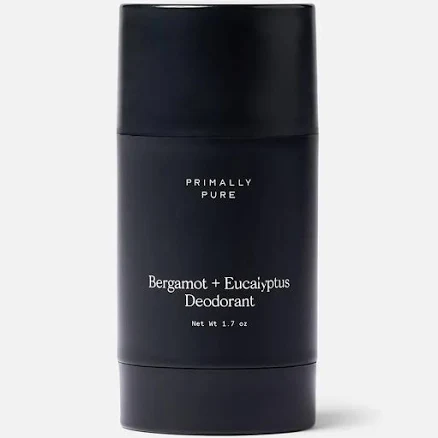
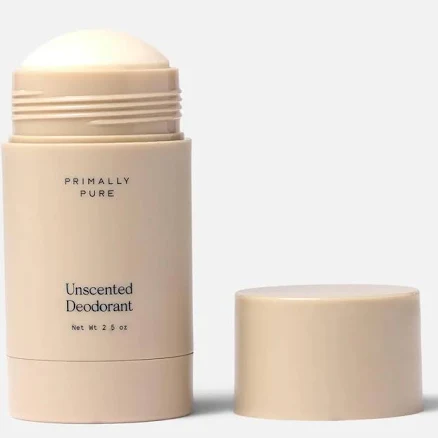
Primally Pure
Primally Pure Bergamot + Eucalyptus Deodorant
100/100 safety
Same rubric that flunked this product. The swap earned Excellent.
Still want this one anyway? Check the price on Amazon. We’d swap it.
Material
aluminum/tin based antiperspirant stick with fragrance
Brand disclosure
Brand is silent on PFAS
Lab data
No public lab test
You may also be interested in
Top-graded picks in the categories readers replace first, every one scored on the same rubric.

- polypropylene filter housing, carbon/sediment cartridge
- We found no PFAS statement from the brand
- Bacterial growth in spent cartridges
3 hazards checked on this product, all on its full breakdown.

Aquasure
Premier Series 75 GPD Under Sink Reverse Osmosis Water Filtration System
- RO membrane, carbon filters, stainless steel housing
- We found no PFAS statement from the brand
- Bacterial and microbial growth in housing and filters
4 hazards checked on this product, all on its full breakdown.

Avocado
Vegan Mattress
- organic cotton, natural latex, coconut coir, recycled steel coils
- The brand calls it PFAS-free, which we have not verified
- Heavy metals
2 hazards checked on this product, all on its full breakdown.
What Mitchum Men's Ultimate 72H Odor Deodorant is made of, ingredients and materials
Mitchum Ultimate 72H is an aluminum-based antiperspirant stick (likely aluminum zirconium or aluminum chlorohydrate compounds) combined with a fragrance blend and emollients. Aluminum salts work by forming plugs in sweat ducts to reduce perspiration; they are FDA-recognized active ingredients in antiperspirants but remain subject to ongoing safety monitoring. The stick format minimizes exposure to solvents and volatile organic compounds compared to aerosol deodorants. No talc, lead, or cadmium in the coating layer has been reported in this product line.
What’s concerning
Category baseline
The starting point for this type of product, before anything specific to this product is counted.
No PFAS disclosure
No public statement from the brand about PFAS in this product.
Aluminum salts (systemic absorption risk)
Aluminum compounds in antiperspirants are absorbed transdermally in small amounts. FDA permits aluminum zirconium complexes as Generally Recognized as Safe (GRAS) at current use levels, but long-term accumulation and neurotoxicology remain areas of scientific debate not conclusively resolved for antiperspirant users.
Fragrance allergens and irritation
Mitchum's fragrance blend is undisclosed (listed as 'fragrance' on label). Fragrance components commonly cause contact dermatitis and sensitization, especially with repeated daily application. Those with fragrance sensitivity or sensitive skin should patch-test or select unscented alternatives.
Skin barrier disruption with prolonged use
Daily aluminum antiperspirant use can suppress natural sweating and alter axillary microbiota and pH balance. While not acutely toxic, chronic use may increase fungal overgrowth risk or irritation upon discontinuation. Rotating with non-antiperspirant deodorants or taking breaks may mitigate this.
What’s reassuring
Base material not linked to PFAS
The main material recorded for this product is not one associated with PFAS.
1,4-dioxane (fragrance solvent contamination)
No independent testing or recalls of Mitchum antiperspirant for 1,4-dioxane have been published. The stick format and lack of polyethylene glycol as a primary ingredient make dioxane contamination less likely than in some spray or lotion cosmetics, but full absence cannot be confirmed without lab analysis.
Heavy metals
No published recalls or testing has identified lead, cadmium, or other heavy metals in Mitchum antiperspirant sticks. The opaque formulation and mass-market manufacturing standards make contamination unlikely, but ingredient sourcing is not transparent.
Source, FDA ↗How is this PFAS grade calculated?
The brand's record and disclosure
Edgewell Personal Care (Mitchum's parent company) does not publicly disclose PFAS content or manufacturing practices related to water resistance. No major safety recalls or FDA actions specific to Mitchum antiperspirant have been documented in the past decade. The brand does not pursue third-party certification (e.g., EWG Verified) or publish detailed ingredient sourcing. This silence on both PFAS and ingredient transparency is typical of mainstream antiperspirant manufacturers but differs from premium or natural brands that voluntarily disclose.
How it compares in its category
Mitchum sits in the standard-performance mass-market segment; its 72-hour claim and aluminum load are competitive with Degree and Secret. Unlike aluminum-free or mineral deodorants, it relies on the active antiperspirant mechanism rather than odor masking alone. Fragrance intensity is moderate; the product does not market itself as hypoallergenic or dermatologist-formulated, so fragrance allergen risk is not minimized by design. Overall safety profile is consistent with typical drugstore antiperspirants.
If you buy it
Apply to clean, dry underarms in the evening or before bed for maximum efficacy; reapply as needed after sweating or washing. Do not use on irritated or broken skin. Discontinue use if rash, redness, or itching develops and consult a healthcare provider if symptoms persist; fragrance sensitivity is the most common reaction in this category. Store in a cool, dry place to prevent deformity of the stick. Replace when depleted or if the formula hardens or separates.
What is not known about PFAS in this product?
- Basis
- Model estimate, 45% confidence, not a lab result
- Lab test
- None on record for this exact product
- Brand statement
- Mitchum has made none
Formulations change between production runs, so check the current label. How we grade.
What are the PFAS-free alternatives to Mitchum Men's Ultimate 72H Odor Protection Antiperspirant & Deodorant?
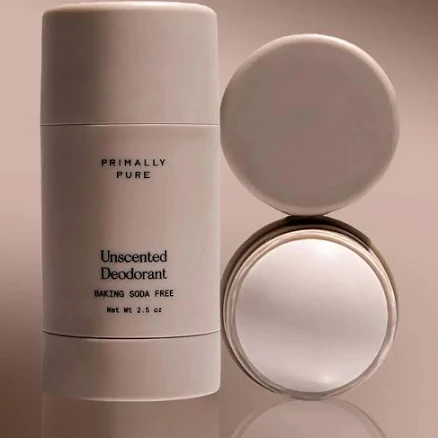
- mineral-based powder blend (arrowroot, magnesium hydroxide, mica)
- We found no PFAS statement from the brand
- Skin irritation from magnesium hydroxide alkalinity
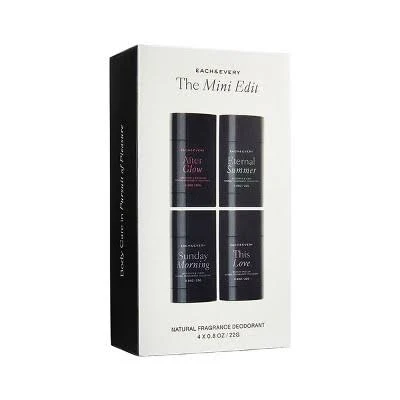
- cosmetic formulations, primary ingredients listed
- A third party reports verifying it as PFAS-free
- Fragrance allergens (natural essential oils)
2 hazards checked on this product, all on its full breakdown.
- natural mineral powders, plant-based actives, beeswax
- We found no PFAS statement from the brand
- Beeswax purity and contamination
2 hazards checked on this product, all on its full breakdown.
More deodorant grades
How we score, every product runs through the same public 0-100 rubric based on materials, coatings, brand disclosure, lab findings, and recalls. See the full methodology → Spotted a mistake? Report an error.