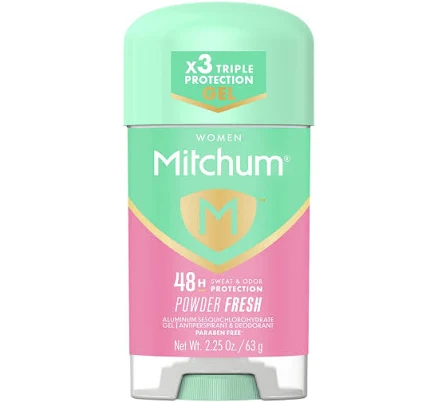
Mitchum Women Gel Anti-Perspirant Deodorant Fresh
Lower PFAS concern for standard gel deodorant without waterproofing triggers.
Mitchum Women Gel is a water-based cosmetic without water-repellent or non-stick treatments, eliminating obvious PFAS need. No PFAS claims or third-party verification exist for this product.
We flunk more products than we pass. This one earned its grade. How we grade
Material
Gel base (glycerin, water, silica) with standard cosmetic additives
Brand disclosure
Brand is silent on PFAS
Lab data
No public lab test
You may also be interested in
Top-graded picks in the categories readers replace first, every one scored on the same rubric.

- polypropylene filter housing, carbon/sediment cartridge
- We found no PFAS statement from the brand
- Bacterial growth in spent cartridges
3 hazards checked on this product, all on its full breakdown.

Aquasure
Premier Series 75 GPD Under Sink Reverse Osmosis Water Filtration System
- RO membrane, carbon filters, stainless steel housing
- We found no PFAS statement from the brand
- Bacterial and microbial growth in housing and filters
4 hazards checked on this product, all on its full breakdown.

Avocado
Vegan Mattress
- organic cotton, natural latex, coconut coir, recycled steel coils
- The brand calls it PFAS-free, which we have not verified
- Heavy metals
2 hazards checked on this product, all on its full breakdown.
What Mitchum Women Gel Deodorant Fresh is made of, ingredients and materials
Mitchum Women Gel is a water and glycerin-based formula with silica as a thickener, typical for gel antiperspirants. The gel matrix itself carries minimal leaching or off-gassing risk compared to stick or powder formats. Active ingredient is likely aluminum chlorohydrate or similar approved antiperspirant compound; these are regulated by FDA and have long safety history at cosmetic concentrations. Glycerin and water dominate the formulation, reducing exposure to synthetic solvents or volatile organics common in aerosol or cream versions.
What’s concerning
Category baseline
The starting point for this type of product, before anything specific to this product is counted.
No PFAS disclosure
No public statement from the brand about PFAS in this product.
Fragrance allergens
Product is labeled 'Fresh' scent; specific fragrance ingredients are typically undisclosed per industry practice. Limonene, linalool, and other common fragrance components can trigger contact dermatitis in sensitive individuals; not tested or reported for this specific product.
Talc or silica dust (inhalation)
Silica is listed as a gel thickener; gel format minimizes airborne particulate compared to powder deodorants. Risk is low for topical application, but residual dust during application could pose minimal inhalation concern for vulnerable populations (respiratory conditions). No talc listed; silica at cosmetic concentrations is generally recognized as safe by FDA.
Aluminum absorption (systemic)
Antiperspirant aluminum salts (chlorohydrate, zirconium) are applied topically and minimally absorbed through intact skin. Scientific debate continues on cumulative aluminum exposure and neurological health; regulatory bodies (FDA, EFSA) have not identified hazards of this kind on record at standard use levels. This is a category-wide concern, not specific to Mitchum's formulation.
Preservative or stabilizer irritation
Standard cosmetic preservatives (phenoxyethanol, methylisothiazolinone, or similar) may be present to prevent microbial growth in water-based gels. Incidence of sensitization is low but documented; individual reactions vary. No specific preservative recalls or safety alerts for this product line are on record.
What’s reassuring
Base material not linked to PFAS
The main material recorded for this product is not one associated with PFAS.
Heavy metals
Gel deodorants typically use minimal colorants; no reports of lead, cadmium, or arsenic contamination in Mitchum formulations. Standard FDA cosmetic limits apply to any approved color additives.
Source, FDA ↗How is this PFAS grade calculated?
The brand's record and disclosure
Mitchum (owned by Revlon) does not publicly disclose detailed ingredient sourcing, allergen testing protocols, or independent safety certifications. No major recalls or safety investigations specific to this product line are on public record. The brand has not made explicit statements on PFAS avoidance, though the gel base format suggests lower likelihood of intentional fluorochemical additives. Standard cosmetic compliance (FDA labeling, ingredient declaration) applies; transparency beyond regulatory baseline is not a distinguishing feature.
How it compares in its category
Gel antiperspirants as a category pose fewer material-related hazards than stick formulations (lower heavy metal pigment risk) or aluminum-free powders (lower talc contamination exposure). Mitchum's gel ranks mid-tier for ingredient simplicity; premium natural/organic deodorants often claim fewer synthetic additives, while mass-market alternatives (Secret, Dove) use similar gel technology with comparable transparency. Price and performance are competitive; safety profile is not a meaningful differentiator within mainstream gel deodorant options.
If you buy it
Apply sparingly to clean, dry skin to minimize irritation and allow even coverage. Store in a cool place away from direct sunlight; gel formulations can separate or degrade if exposed to sustained heat above 80F. Replace every 12-18 months or when product noticeably changes texture, color, or odor. If skin irritation, rash, or allergic reaction occurs, discontinue use; if persistent, consult a healthcare provider to rule out fragrance or preservative sensitivities.
What is not known about PFAS in this product?
- Basis
- Model estimate, 72% confidence, not a lab result
- Lab test
- None on record for this exact product
- Brand statement
- Mitchum has made none
Formulations change between production runs, so check the current label. How we grade.
What are the PFAS-free alternatives to Mitchum Women Gel Anti-Perspirant Deodorant Fresh?
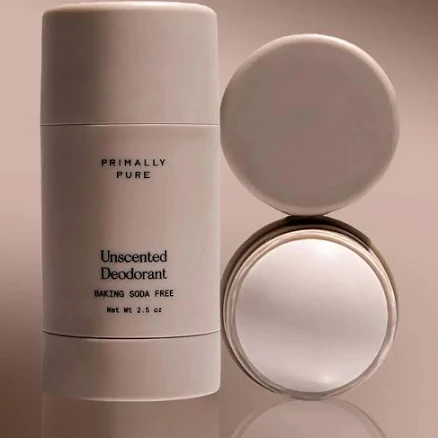
- mineral-based powder blend (arrowroot, magnesium hydroxide, mica)
- We found no PFAS statement from the brand
- Skin irritation from magnesium hydroxide alkalinity
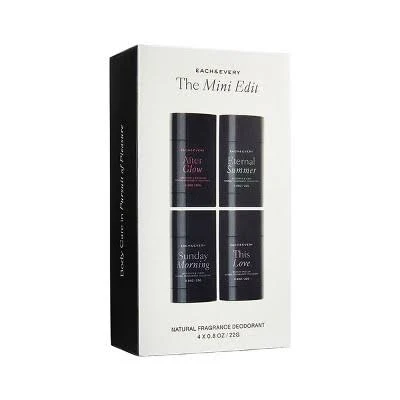
- cosmetic formulations, primary ingredients listed
- A third party reports verifying it as PFAS-free
- Fragrance allergens (natural essential oils)
2 hazards checked on this product, all on its full breakdown.
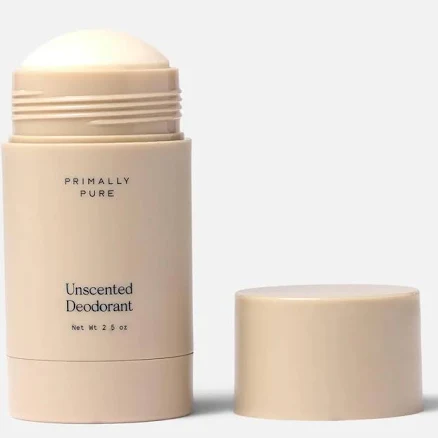
- natural mineral powders, plant-based actives, beeswax
- We found no PFAS statement from the brand
- Beeswax purity and contamination
2 hazards checked on this product, all on its full breakdown.
More deodorant grades
How we score, every product runs through the same public 0-100 rubric based on materials, coatings, brand disclosure, lab findings, and recalls. See the full methodology → Spotted a mistake? Report an error.