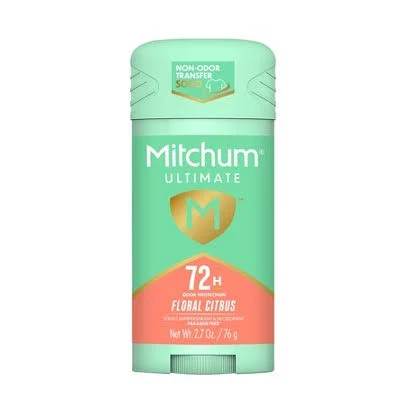
Mitchum Women's Ultimate 72H Odor Protection Antiperspirant & Deodorant
Lower concern for standard stick without known PFAS, but no brand transparency.
Mitchum's solid antiperspirant stick typically avoids water-resistance or nonstick coatings that would require PFAS. Mitchum has not disclosed PFAS testing or made any fluorinated compound commitment.
We flunk more products than we pass. This one earned its grade. How we grade
Material
Aluminum-based solid antiperspirant/deodorant stick with talc or silica
Brand disclosure
Brand is silent on PFAS
Lab data
No public lab test
You may also be interested in
Top-graded picks in the categories readers replace first, every one scored on the same rubric.

- polypropylene filter housing, carbon/sediment cartridge
- We found no PFAS statement from the brand
- Bacterial growth in spent cartridges
3 hazards checked on this product, all on its full breakdown.

Aquasure
Premier Series 75 GPD Under Sink Reverse Osmosis Water Filtration System
- RO membrane, carbon filters, stainless steel housing
- We found no PFAS statement from the brand
- Bacterial and microbial growth in housing and filters
4 hazards checked on this product, all on its full breakdown.

Avocado
Vegan Mattress
- organic cotton, natural latex, coconut coir, recycled steel coils
- The brand calls it PFAS-free, which we have not verified
- Heavy metals
2 hazards checked on this product, all on its full breakdown.
What Mitchum Women's Ultimate 72H Deodorant is made of, ingredients and materials
Mitchum Ultimate 72H is an aluminum-based solid stick antiperspirant, typically formulated with aluminum zirconium compounds as the active ingredient, combined with talc or silica as bulk agents and emollients. The solid format minimizes volatilization risk compared to sprays and avoids water-based preservative concerns. Aluminum zirconium salts are approved by the FDA as over-the-counter antiperspirant actives and do not penetrate skin systemically in clinically significant amounts under normal use. Talc presence is noted below as a separate hazard class.
What’s concerning
Category baseline
The starting point for this type of product, before anything specific to this product is counted.
No PFAS disclosure
No public statement from the brand about PFAS in this product.
Talc contamination (asbestos and lung risk)
Mitchum does not explicitly disclose talc sourcing or whether it has undergone asbestos testing. Talc mined and processed in some regions may carry trace asbestos fibers. While the FDA does not require asbestos limits in talc used in cosmetics (unlike the EU), inhalation from powder/spray deodorants carries documented occupational and consumer risk. Solid stick format minimizes inhalation compared
Fragrance allergen potency (skin sensitization)
Mitchum Ultimate 72H contains fragrance compounds not individually disclosed on the label. Deodorant fragrances commonly include limonene, eugenol, and cinnamyl compounds known to trigger contact dermatitis in sensitive individuals. Brand does not offer fragrance-free variant in this specific product line, limiting options for fragrance-sensitive consumers.
Coating/stick base degradation (bacterial/fungal colonization)
Solid antiperspirant sticks are hygroscopic and can absorb moisture from skin, promoting bacterial and fungal growth at the applicator surface if stored improperly or used after showering. Mitchum's formulation does not include added antimicrobial preservatives in the stick matrix. Replacing the product regularly and allowing it to dry fully between uses mitigates this risk.
What’s reassuring
Base material not linked to PFAS
The main material recorded for this product is not one associated with PFAS.
Aluminum systemic absorption (neurotoxicity concern)
No established causal link between antiperspirant aluminum use and Alzheimer's or neurotoxicity in peer-reviewed epidemiology. Aluminum zirconium salts do not penetrate epidermis significantly; systemic absorption is negligible under normal application. FDA permits aluminum in OTC antiperspirant formulations. Concern remains theoretical and is not a documented hazard for this product.
Heavy metals
Mitchum does not disclose specific pigment or dye sources for this product's color. Standard cosmetic-grade iron oxides and mica used in deodorants are regulated and tested for lead and cadmium content in the US. No recalls or adverse events linked to heavy metal contamination in Mitchum antiperspirants are on record.
Source, FDA ↗How is this PFAS grade calculated?
The brand's record and disclosure
Henkel (Mitchum's parent company) does not publicly highlight PFAS-free claims or provide detailed ingredient sourcing transparency for this product line. No major safety recalls or regulatory actions against Mitchum antiperspirants are on record in the FDA or CPSC databases as of public knowledge cutoff. The brand takes a standard posture of compliance rather than proactive ingredient disclosure, typical of legacy antiperspirant manufacturers. No third-party certifications (EWG, Clean Beauty, etc.) are associated with this product.
How it compares in its category
Mitchum's 72-hour claim positions it in the mid-to-premium efficacy tier; competitors like Degree, Secret, and Dove offer comparable performance with similar aluminum chemistry. This product lacks the marketing differentiation of aluminum-free or PFAS-free alternatives (e.g., Native, Kopari), but also avoids the higher cost premium of those brands. Among traditional antiperspirant sticks, Mitchum has a stable reputation with no widespread safety concerns that distinguish it negatively from peers. The talc/silica formulation is standard across the category.
If you buy it
Apply to dry skin only; antiperspirant efficacy drops if skin is wet. Replace stick every 3-4 months or when product becomes difficult to dispense (indicates binder breakdown and potential uneven coverage). If skin irritation, rash, or burning occurs, discontinue and switch products; some users report sensitivity to aluminum zirconium complexes. Avoid application immediately after shaving or on broken skin. Store in cool, dry conditions; high heat or humidity can soften the stick and promote bacterial growth.
What is not known about PFAS in this product?
- Basis
- Model estimate, 72% confidence, not a lab result
- Lab test
- None on record for this exact product
- Brand statement
- Mitchum has made none
Formulations change between production runs, so check the current label. How we grade.
What are the PFAS-free alternatives to Mitchum Women's Ultimate 72H Odor Protection Antiperspirant & Deodorant?
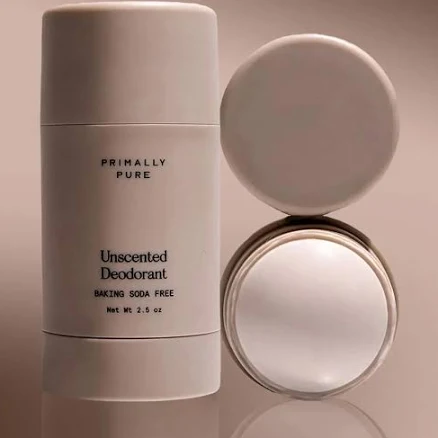
- mineral-based powder blend (arrowroot, magnesium hydroxide, mica)
- We found no PFAS statement from the brand
- Skin irritation from magnesium hydroxide alkalinity
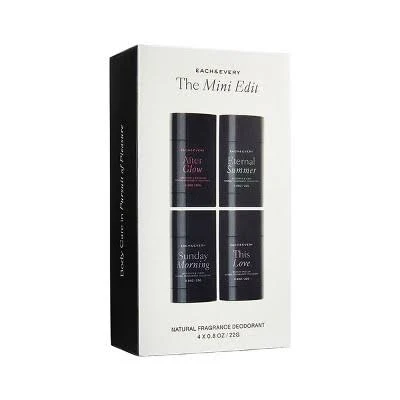
- cosmetic formulations, primary ingredients listed
- A third party reports verifying it as PFAS-free
- Fragrance allergens (natural essential oils)
2 hazards checked on this product, all on its full breakdown.
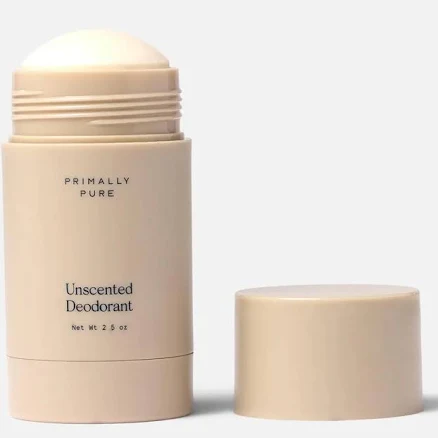
- natural mineral powders, plant-based actives, beeswax
- We found no PFAS statement from the brand
- Beeswax purity and contamination
2 hazards checked on this product, all on its full breakdown.
More deodorant grades
How we score, every product runs through the same public 0-100 rubric based on materials, coatings, brand disclosure, lab findings, and recalls. See the full methodology → Spotted a mistake? Report an error.