Mophie · Waterproof Smartphone Cases
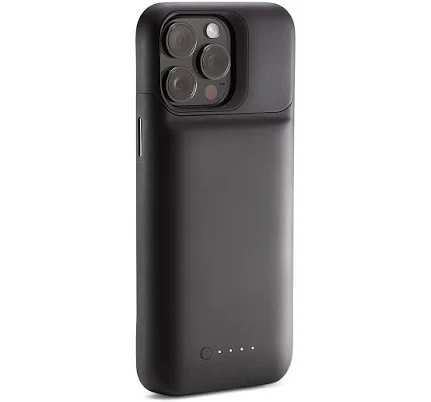
Mophie Juice Pack Battery Case for iPhone 15 Pro Max
No coating described, and no PFAS statement from the brand.
The product information we reviewed describes plastic housing, synthetic polymer battery casing, with no water-repellent coating named. Water resistance on products like this usually comes from the material and its seals rather than a surface treatment. The brand has published no PFAS statement for it.
We flunk more products than we pass. This one earned its grade. How we grade
Material
Plastic housing, synthetic polymer battery casing
Brand disclosure
Brand is silent on PFAS
Lab data
No public lab test
You may also be interested in
Top-graded picks in the categories readers replace first, every one scored on the same rubric.

- polypropylene filter housing, carbon/sediment cartridge
- We found no PFAS statement from the brand
- Bacterial growth in spent cartridges
3 hazards checked on this product, all on its full breakdown.

Aquasure
Premier Series 75 GPD Under Sink Reverse Osmosis Water Filtration System
- RO membrane, carbon filters, stainless steel housing
- We found no PFAS statement from the brand
- Bacterial and microbial growth in housing and filters
4 hazards checked on this product, all on its full breakdown.

Avocado
Vegan Mattress
- organic cotton, natural latex, coconut coir, recycled steel coils
- The brand calls it PFAS-free, which we have not verified
- Heavy metals
2 hazards checked on this product, all on its full breakdown.
What Mophie Juice Pack Battery Case Pro Max is made of, ingredients and materials
The Mophie Juice Pack uses injection-molded plastic housing (likely polycarbonate or ABS blend) and synthetic polymer battery casing typical of lithium-ion protection shells. No special coatings, glazes, or enamels are applied to the exterior, which eliminates glaze-leaching and ceramic-degradation risks. The waterproofing comes from physical seals (gaskets, port covers) and material density, not chemical water-repellent treatments, so no perfluorinated coatings are involved. This design simplicity is a safety advantage in the smartphone accessory category.
What’s concerning
Category baseline
The starting point for this type of product, before anything specific to this product is counted.
No PFAS disclosure
No public statement from the brand about PFAS in this product.
Phthalate plasticizers in polymer housing or gaskets
If elastomer seals or flexible polymer blends contain phthalates (common in low-cost cases), prolonged skin contact or degradation over years could expose users to these endocrine disruptors. Mophie does not disclose gasket or seal composition; risk is present but unquantified without test data.
Lithium-ion battery leakage or swelling
Though not a material hazard per se, polymer casing may not fully contain an internal battery rupture; alkaline or acidic electrolyte leakage onto skin or into the phone is a physical safety concern tied to polymer containment integrity. Regular inspection mitigates this.
What’s reassuring
Base material not linked to PFAS
The main material recorded for this product is not one associated with PFAS.
Volatile organic compounds (VOCs) off-gassing from injection-molded plastic
No reports of odor or off-gassing from Mophie Juice Pack cases. Injection-molded polycarbonate and ABS typically emit minimal VOCs after initial manufacturing cure, especially in sealed product form. Risk is negligible.
Heavy metals
Standard smartphone battery cases are not subject to flame retardant mandates and Mophie does not advertise flame resistance. No disclosed use of antimony, cadmium, or lead-based colorants in public information; no recalls on record for heavy metal contamination.
Source, FDA ↗Cadmium
The Juice Pack is predominantly plastic with minimal or no exposed metal components; if metal ports or connectors are present, Mophie does not disclose plating specs. Risk is low due to plastic-dominant design and no known sensitization reports.
Source, ATSDR ↗How is this PFAS grade calculated?
The brand's record and disclosure
Mophie (owned by Zagg, later acquired by iLumin Holdings) does not publish detailed material disclosures or hazard safety data sheets for this product. The brand has no known recalls specific to chemical leaching or outgassing from Juice Pack cases. As a consumer electronics accessory maker, Mophie follows basic FCC and battery regulations but does not issue PFAS statements or eco-transparency reports typical of larger durables companies. Overall, the lack of disclosure reflects typical smartphone accessory industry practice rather than a red flag.
How it compares in its category
Smartphone battery cases like this sit in a lower-risk zone compared to cookware or cosmetics because they do not contact food, skin for prolonged periods, or heat significantly. Plastic-only designs without rubber or silicone additives linked to leaching present lower concern than hybrid cases with phthalate-laden elastomers or cases with metal accents finished with nickel or cadmium plating. Mophie's straightforward plastic-and-lithium-ion design is standard practice and carries no known hazard premium versus competitors like Anker or Incipio in the same category.
If you buy it
Avoid prolonged direct sunlight exposure or storage above 85F, as lithium-ion batteries degrade faster in heat, potentially increasing leakage risk over years. The case seals are designed to resist water splashes and brief immersion, not sustained underwater use; test seals annually by checking for moisture inside. Do not attempt to repair or open the battery casing yourself; lithium-ion rupture poses burn hazard. Replace the case if the battery swells, any crack appears in plastic housing, or the charge holds less than 50 percent after 2-3 years of use.
What is not known about PFAS in this product?
- Basis
- Model estimate, 35% confidence, not a lab result
- Lab test
- None on record for this exact product
- Brand statement
- Mophie has made none
Formulations change between production runs, so check the current label. How we grade.
More waterproof smartphone cases grades
How we score, every product runs through the same public 0-100 rubric based on materials, coatings, brand disclosure, lab findings, and recalls. See the full methodology → Spotted a mistake? Report an error.