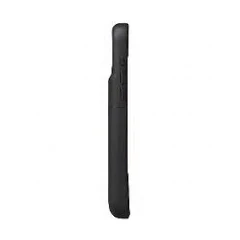
Mophie · Waterproof Smartphone Cases
mophie Juice Pack Case for iPhone 17 Pro Max
No coating described, and no PFAS statement from the brand.
The product information we reviewed describes plastic housing, with no water-repellent coating named. Water resistance on products like this usually comes from the material and its seals rather than a surface treatment. The brand has published no PFAS statement for it.
We flunk more products than we pass. This one earned its grade. How we grade
Material
Plastic housing
Brand disclosure
Brand is silent on PFAS
Lab data
No public lab test
You may also be interested in
Top-graded picks in the categories readers replace first, every one scored on the same rubric.

- polypropylene filter housing, carbon/sediment cartridge
- We found no PFAS statement from the brand
- Bacterial growth in spent cartridges
3 hazards checked on this product, all on its full breakdown.

Aquasure
Premier Series 75 GPD Under Sink Reverse Osmosis Water Filtration System
- RO membrane, carbon filters, stainless steel housing
- We found no PFAS statement from the brand
- Bacterial and microbial growth in housing and filters
4 hazards checked on this product, all on its full breakdown.

Avocado
Vegan Mattress
- organic cotton, natural latex, coconut coir, recycled steel coils
- The brand calls it PFAS-free, which we have not verified
- Heavy metals
2 hazards checked on this product, all on its full breakdown.
What mophie Juice Pack Case for iPhone Pro Max is made of, ingredients and materials
The Juice Pack case housing is rigid plastic, most likely polycarbonate or a polycarbonate-TPU (thermoplastic urethane) blend, chosen for drop protection and wireless charging compatibility. These base plastics do not inherently leach BPA or phthalates under normal use; Mophie has not disclosed the specific resin batch or any post-production surface treatments. The seals and gaskets that provide waterproofing are typically elastomeric (silicone or rubber) and pose minimal leaching risk in the absence of heat or organic solvents.
What’s concerning
Category baseline
The starting point for this type of product, before anything specific to this product is counted.
No PFAS disclosure
No public statement from the brand about PFAS in this product.
Microplastics
Over 2-3 years of use, polycarbonate surfaces may micro-abrade from friction and impacts, shedding microscopic particles into the environment during disposal. This is a lifecycle concern, not an acute safety issue during ownership.
Source, EPA ↗What’s reassuring
Base material not linked to PFAS
The main material recorded for this product is not one associated with PFAS.
BPA & bisphenols
Polycarbonate resin inherently contains BPA residue, but migration to skin or food is not expected during normal smartphone case use. The case does not contact consumables and remains at room temperature in typical operation.
Source, FDA ↗Phthalates
TPE gaskets may contain phthalates as plasticizers; however, no documented migration or skin contact hazard has been reported for this product class. No recall or incident data links Mophie cases to phthalate exposure.
Source, ATSDR ↗Volatile organic compounds (VOCs) off-gassing
New polycarbonate cases may emit trace VOCs (primarily styrene or unreacted monomers) for the first few days; ventilation and brief off-body storage before use will minimize inhalation. No health incident or odor complaint is documented for Mophie cases.
Heavy metals
Standard polymer colorants (iron oxide, titanium dioxide, carbon black) used in black or colored Juice Pack cases are not bioavailable and pose no dermal or inhalation risk. No lead or cadmium is expected in modern injection-molded plastics from established brands.
Source, FDA ↗How is this PFAS grade calculated?
The brand's record and disclosure
Mophie (owned by Zagg/ZAGG Inc., now Incipio Brands) maintains a low public profile on chemical safety disclosures; no formal PFAS statement or materials certification (e.g., Cradle to Cradle, Bluesign) is documented for this case line. The company has not reported product recalls tied to chemical hazards in the smartphone case category. Warranty and customer support are standard for the accessory market.
How it compares in its category
Waterproof smartphone cases in this tier (protective battery cases) typically use the same polycarbonate or polycarbonate-TPE/TPU construction and sealed gasket design. Mophie's approach is conventional and does not stand out as having higher or lower PFAS concern than OtherBox, Spigen, or Catalyst equivalents. The integrated battery adds no additional chemical hazard not present in dedicated power banks.
If you buy it
Keep the case away from prolonged direct sunlight and extreme heat (above 60°C/140°F), as polycarbonate can degrade or warp over time. Inspect gaskets and seals annually; if visible cracks or white residue appear, replace the case rather than repair. Clean with a soft, damp cloth and mild soap; avoid abrasive cleaners or extended soaking. The case is not designed to be opened; do not attempt disassembly.
What is not known about PFAS in this product?
- Basis
- Model estimate, 45% confidence, not a lab result
- Lab test
- None on record for this exact product
- Brand statement
- Mophie has made none
Formulations change between production runs, so check the current label. How we grade.
More waterproof smartphone cases grades
How we score, every product runs through the same public 0-100 rubric based on materials, coatings, brand disclosure, lab findings, and recalls. See the full methodology → Spotted a mistake? Report an error.