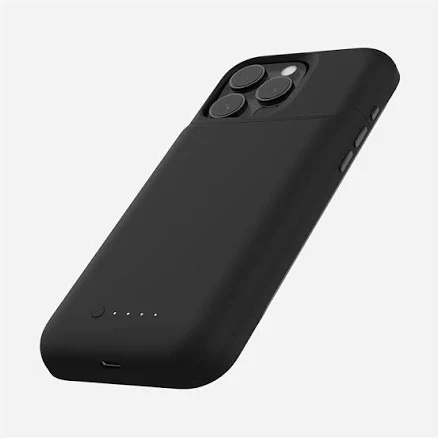
Mophie · Waterproof Smartphone Cases
Mophie Juice Pack for iPhone 16
No coating described, and no PFAS statement from the brand.
The product information we reviewed describes plastic housing, lithium battery, rubber grip, with no water-repellent coating named. Water resistance on products like this usually comes from the material and its seals rather than a surface treatment. The brand has published no PFAS statement for it.
We flunk more products than we pass. This one earned its grade. How we grade
Material
Plastic housing, lithium battery, rubber grip
Brand disclosure
Brand is silent on PFAS
Lab data
No public lab test
You may also be interested in
Top-graded picks in the categories readers replace first, every one scored on the same rubric.

- polypropylene filter housing, carbon/sediment cartridge
- We found no PFAS statement from the brand
- Bacterial growth in spent cartridges
3 hazards checked on this product, all on its full breakdown.

Aquasure
Premier Series 75 GPD Under Sink Reverse Osmosis Water Filtration System
- RO membrane, carbon filters, stainless steel housing
- We found no PFAS statement from the brand
- Bacterial and microbial growth in housing and filters
4 hazards checked on this product, all on its full breakdown.

Avocado
Vegan Mattress
- organic cotton, natural latex, coconut coir, recycled steel coils
- The brand calls it PFAS-free, which we have not verified
- Heavy metals
2 hazards checked on this product, all on its full breakdown.
What Mophie Juice Pack for iPhone 16 is made of, ingredients and materials
The Juice Pack housing is injection-molded plastic (likely polycarbonate or ABS blend) with a rubberized grip layer and an integrated lithium-ion battery pack. The plastic shell serves as a structural and electrical barrier between the battery and your phone; the rubber grip reduces drop risk and does not appear to be a flame-retardant-treated textile. The battery itself is sealed in a protective cell casing, so direct contact with battery chemistry is not a consumer-facing concern under normal use.
What’s concerning
Category baseline
The starting point for this type of product, before anything specific to this product is counted.
No PFAS disclosure
No public statement from the brand about PFAS in this product.
Lithium-ion battery thermal runaway
All integrated lithium batteries carry inherent risk of rapid thermal failure if damaged, short-circuited, or charged with incompatible equipment. The Juice Pack includes protection circuitry, but physical damage or counterfeit charging accessories could bypass it. This is not specific to Mophie but applies to all battery cases.
VOC off-gassing from plastic assembly
New plastic cases may emit volatile organic compounds (styrene, monomers) in the first weeks of use, especially if stored or charged in warm, enclosed spaces. Airing the case in ventilation before heavy pocket use may reduce inhalation exposure. This is typical of injection-molded electronics but unquantified for this product.
Water intrusion and bacterial growth in seams
Although marketed as waterproof-rated (IP rating if present), repeated submersion or sweat ingress into seams between the plastic housing and rubber grip can trap moisture. Bacterial or fungal biofilm may develop if the case is not dried thoroughly after water exposure. Regular air-drying and occasional cleaning with a dry cloth mitigate this risk.
What’s reassuring
Base material not linked to PFAS
The main material recorded for this product is not one associated with PFAS.
BPA & bisphenols
The polycarbonate or ABS shell is not in prolonged contact with food or open skin under typical use. Mophie provides no material specifications or migration testing data. Regulatory concern is low for external-contact applications, but long-term leaching into sweat during heavy use has not been independently tested for this product.
Source, FDA ↗Heavy metals
Rubber or TPE grip overlays sometimes contain brominated flame retardants or antimony compounds. No public testing or materials declaration from Mophie confirms the absence of these. Risk is low for external contact, but the grip is in frequent hand contact and could shed or leach additives with high-temperature exposure or physical wear.
Source, FDA ↗How is this PFAS grade calculated?
The brand's record and disclosure
Mophie (owned by Zagg Inc., now part of GN Store Nord) has not published a public PFAS policy or chemical safety transparency statement. The company does not appear in major brand PFAS commitments (like the AFIRM group). This silence is not unusual for accessory manufacturers but limits independent verification of manufacturing practices. No recalls or chemical safety incidents specific to Mophie cases are on public record.
How it compares in its category
Smartphone battery cases are typically plastic-housed and battery-powered; this design is standard. Compared to silicone-based alternatives, rigid plastic cases carry marginally lower risk of additive leaching but offer less drop protection. Compared to unpadded hard cases, the rubberized grip is a safety plus. Most competitors (OtterBox, Spigen, Apple MagSafe Battery Pack) use similar plastic-and-rubber construction with equally sparse chemical disclosure.
If you buy it
Keep the case away from sustained heat above 60 degrees Celsius (the battery will throttle performance and degrade faster). Do not attempt to disassemble it; the battery is not user-serviceable. Replace the case if the rubber grip shows cracking or the plastic housing develops splits, as this can expose battery internals. Charge via the official USB connector; third-party chargers may damage the internal protection circuits. Wipe the exterior occasionally with a dry or slightly damp cloth; do not soak it.
What is not known about PFAS in this product?
- Basis
- Model estimate, 35% confidence, not a lab result
- Lab test
- None on record for this exact product
- Brand statement
- Mophie has made none
Formulations change between production runs, so check the current label. How we grade.
More waterproof smartphone cases grades
How we score, every product runs through the same public 0-100 rubric based on materials, coatings, brand disclosure, lab findings, and recalls. See the full methodology → Spotted a mistake? Report an error.