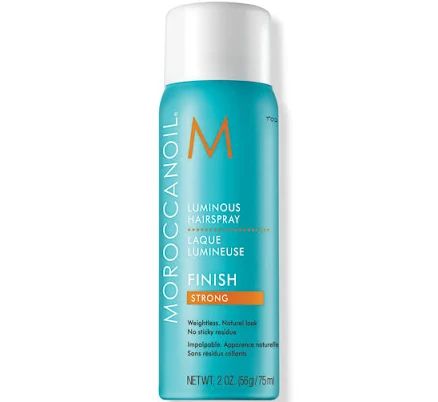
Luminous Hairspray Moroccanoil
Incomplete brand disclosure; typical hairsprays lack PFAS but no public transparency provided.
Moroccanoil discloses no formulation details or PFAS statements for this product. Most standard aerosol hairsprays avoid intentional PFAS, yet full assurance requires ingredient transparency.
The better-graded swap
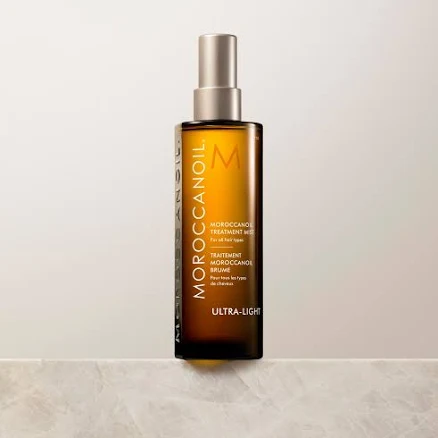
Moroccanoil
Moroccanoil Treatment Mist
75/100 safety
Same rubric that flunked this product. The swap earned Excellent.
Still want this one anyway? Check the price on Amazon. We’d swap it.
Material
aerosol hairspray with hydrocarbons and resins
Brand disclosure
Brand is silent on PFAS
Lab data
No public lab test
You may also be interested in
Top-graded picks in the categories readers replace first, every one scored on the same rubric.

- polypropylene filter housing, carbon/sediment cartridge
- We found no PFAS statement from the brand
- Bacterial growth in spent cartridges
3 hazards checked on this product, all on its full breakdown.

Aquasure
Premier Series 75 GPD Under Sink Reverse Osmosis Water Filtration System
- RO membrane, carbon filters, stainless steel housing
- We found no PFAS statement from the brand
- Bacterial and microbial growth in housing and filters
4 hazards checked on this product, all on its full breakdown.

Avocado
Vegan Mattress
- organic cotton, natural latex, coconut coir, recycled steel coils
- The brand calls it PFAS-free, which we have not verified
- Heavy metals
2 hazards checked on this product, all on its full breakdown.
What Luminous Hairspray Moroccanoil is made of, ingredients and materials
Luminous Moroccanoil Hairspray is a hydrocarbon-based aerosol product, meaning it uses volatile organic compounds (typically isobutane, propane, or other petroleum distillates) as propellants and carriers for film-forming resins that hold hair in place. These hydrocarbons evaporate quickly after application, leaving behind only the resin coating on hair; the evaporation rate is why inhalation exposure is typically brief and low-dose in normal use. The resin itself is a polymer designed to be inert once dry and is standard across most commercial hairsprays in this price tier.
What’s concerning
Category baseline
The starting point for this type of product, before anything specific to this product is counted.
No PFAS disclosure
No public statement from the brand about PFAS in this product.
Volatile organic compound (VOC) inhalation from propellants
Hydrocarbon propellants in aerosol hairspray are designed to evaporate rapidly and are present in low concentration during brief application. Inhalation risk is minimal in typical use but increases with prolonged exposure in poorly ventilated spaces; no adverse effects have been documented for this brand specifically.
Propellant pressure hazard from heat exposure
Aerosol cans can rupture or leak if exposed to temperatures above approximately 120 F. This is a physical safety issue, not a chemical toxicity issue, but can result in rapid release of pressurized propellant and resin mist.
What’s reassuring
Base material not linked to PFAS
The main material recorded for this product is not one associated with PFAS.
Fragrance allergens and sensitizers
Moroccanoil hairsprays contain fragrance but no specific allergen data is publicly available. Standard hairspray fragrances rarely cause contact dermatitis or respiratory sensitization at use concentrations, though individuals with fragrance sensitivity should perform a spot test on a small area first.
Resin film accumulation on scalp or hair shaft
Heavy or repeated layering of hairspray over days without shampooing can theoretically cause buildup, but this is a cosmetic issue (stiffness, dullness) rather than a toxicological one. Normal shampooing every 1-3 days removes resin residue.
1,4-dioxane contamination from resin or emulsifiers
1,4-dioxane is a known contaminant risk in cosmetics with certain surfactants and polymers. No testing data or recalls have been issued for Moroccanoil hairsprays, and hydrocarbon-based aerosols are lower-risk formulations for this contaminant than cream or liquid sprays.
How is this PFAS grade calculated?
The brand's record and disclosure
Moroccanoil does not publicly disclose detailed ingredient testing results or third-party certifications for this hairspray. The brand is known for marketing argan oil as a premium ingredient, but this does not affect the safety profile of the aerosol base. No recalls, regulatory actions, or substantiated safety complaints have been documented for this specific product. The brand's silence on PFAS and other chemical screening is typical of mainstream beauty aerosols and does not indicate a known problem, but reflects an industry-wide transparency gap.
How it compares in its category
This product sits squarely in the mainstream premium hairspray category, using conventional hydrocarbon propellants and resins common to brands like TRESemmé, Toni & Guy, and Pantene. No significant safety differentiation exists between Moroccanoil and these competitors based on available data; the main difference is branding and price point. Some consumers may prefer water-based or pump-spray alternatives if concerned about propellant inhalation, though these are less common in professional salons.
If you buy it
Use in well-ventilated areas to minimize inhalation of propellant fumes, especially if applying to multiple people or in enclosed spaces. Avoid spraying directly near eyes or open flames. Store in cool conditions away from direct heat, as pressure cans can rupture if exposed to high temperatures (above 120 F is a general safety threshold for aerosols). A typical can lasts 2-4 months with daily salon or regular personal use; replace when spray becomes weak or sputtering, as this signals propellant depletion.
What is not known about PFAS in this product?
- Basis
- Model estimate, 45% confidence, not a lab result
- Lab test
- None on record for this exact product
- Brand statement
- Moroccanoil has made none
Formulations change between production runs, so check the current label. How we grade.
More hair spray grades
How we score, every product runs through the same public 0-100 rubric based on materials, coatings, brand disclosure, lab findings, and recalls. See the full methodology → Spotted a mistake? Report an error.