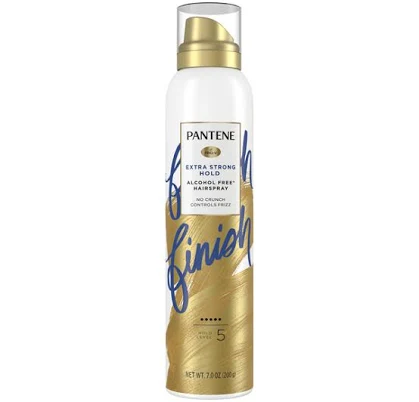
Pantene Pro-V Alcohol-Free Level 5 Extra Strong Hold Hairspray
Avoid until Pantene discloses propellant and polymer information; hairspray formulations commonly contain undisclosed PFAS.
Pantene offers no public statement on PFAS for this hairspray. Aerosol propellants and film-forming polymers frequently carry PFAS, yet cosmetics rarely disclose these details.
The better-graded swap
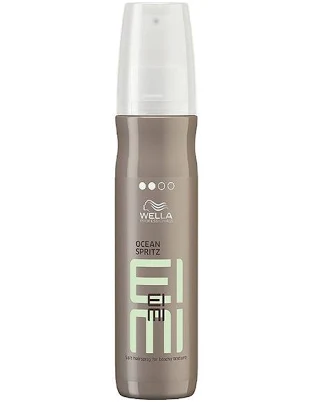
Wella
Wella EIMI Ocean Spritz
75/100 safety
Same rubric that flunked this product. The swap earned Excellent.
Still want this one anyway? Check the price on Amazon. We’d swap it.
Material
propellant-driven liquid hairspray (alcohols, polymers, propellants)
Brand disclosure
Brand is silent on PFAS
Lab data
No public lab test
You may also be interested in
Top-graded picks in the categories readers replace first, every one scored on the same rubric.

- polypropylene filter housing, carbon/sediment cartridge
- We found no PFAS statement from the brand
- Bacterial growth in spent cartridges
3 hazards checked on this product, all on its full breakdown.

Aquasure
Premier Series 75 GPD Under Sink Reverse Osmosis Water Filtration System
- RO membrane, carbon filters, stainless steel housing
- We found no PFAS statement from the brand
- Bacterial and microbial growth in housing and filters
4 hazards checked on this product, all on its full breakdown.

Avocado
Vegan Mattress
- organic cotton, natural latex, coconut coir, recycled steel coils
- The brand calls it PFAS-free, which we have not verified
- Heavy metals
2 hazards checked on this product, all on its full breakdown.
What Pantene Pro-V Alcohol-Free Hold Hairspray is made of, ingredients and materials
Pantene Pro-V Level 5 is a pressurized aerosol hairspray containing film-forming polymers (likely acrylates or polyquaternium compounds), propellants (typically hydrocarbons or compressed gas), water, and fragrance. The 'alcohol-free' claim refers to absence of ethanol/isopropanol solvents, which reduces volatile organic compound (VOC) inhalation during application compared to traditional formulas. However, the propellant system and polymer identity remain undisclosed on the label, making independent safety assessment incomplete. Hairsprays in this delivery format inherently create fine aerosol particles that deposit in the respiratory tract during spraying.
What’s concerning
Category baseline
The starting point for this type of product, before anything specific to this product is counted.
No PFAS disclosure
No public statement from the brand about PFAS in this product.
PFAS
Aerosol hairsprays commonly contain PFAS-based propellants or surfactants to achieve fine mist and water resistance; Pantene's silence on propellant identity creates unquantified PFAS exposure risk. Standard hydrocarbons (butane/propane) are PFAS-free but still volatile; fluorinated alternatives are not ruled out by label information.
Source, ATSDR ↗Inhalation of fine aerosol particles and polymer film
Hairspray aerosols deposit submicrometer polymer particles in the upper and lower respiratory tract. Chronic occupational exposure (hairdressers) is associated with increased airway hyperresponsiveness; consumer inhalation risk is lower but not negligible with frequent use in poorly ventilated bathrooms.
Fragrance allergens and sensitization
Pantene does not itemize fragrance components ('parfum' is a catch-all label term). Undisclosed fragrance mixtures can contain allergenic compounds (e.g., limonene, linalool) that cause contact dermatitis, scalp irritation, or airway sensitization in susceptible individuals.
Polymer coating buildup and scalp residue
Film-forming polymers accumulate on hair and scalp over repeated applications, potentially trapping moisture, bacteria, or sebum and causing product buildup, itching, or folliculitis if not thoroughly washed out. Alcohol-free formulas may clear less effectively than alcohol-containing sprays during shampooing.
What’s reassuring
Base material not linked to PFAS
The main material recorded for this product is not one associated with PFAS.
Pressurized container rupture or flammability risk
No documented incidents specific to this product. Standard aerosol safety, keep away from heat sources, open flame, and extreme temperatures. Propellants (hydrocarbon or inert gas) are flammable or asphyxiant depending on type; risk is low with normal use but present in enclosed spaces or near ignition sources.
How is this PFAS grade calculated?
The brand's record and disclosure
Pantene (Procter and Gamble subsidiary) does not publicly disclose full ingredient sourcing, propellant type, or PFAS presence in hairspray formulations despite industry pressure. The brand holds no third-party certifications for chemical transparency (e.g., SkinSafe, EWG Verified) and has not issued statements on PFAS phase-out timelines. P&G has faced historical criticism for vague fragrance declarations ('parfum' masking multiple undisclosed chemicals) and lack of ingredient traceability, though no product recalls specific to this hairspray are documented.
How it compares in its category
Most aerosol hairsprays carry similar PFAS and propellant opacity; this product is not distinctive in transparency. Alcohol-free formulas reduce inhalation irritation compared to ethanol-based sprays, placing it in the middle tier of respiratory consideration. Competitors offering full propellant/polymer disclosure (e.g., some indie brands using butane/isobutane without PFAS) or non-aerosol alternatives (pump sprays, powder dry shampoos) provide clearer safety profiles. Pantene's mainstream positioning and affordability come at the cost of chemical accountability.
If you buy it
Apply in well-ventilated spaces and avoid direct inhalation of the spray mist; hold the can at arm's length and spray away from your face. Limit use to 2-3 applications per week to reduce cumulative inhalation exposure. Do not spray near children or pets, and store in a cool place away from heat or direct sunlight to prevent propellant pressurization risks. If respiratory irritation, coughing, or headaches occur during use, discontinue and switch to a non-aerosol styling product or a brand with disclosed propellant ingredients.
What is not known about PFAS in this product?
- Basis
- Model estimate, 35% confidence, not a lab result
- Lab test
- None on record for this exact product
- Brand statement
- Pantene has made none
Formulations change between production runs, so check the current label. How we grade.
More hair spray grades
How we score, every product runs through the same public 0-100 rubric based on materials, coatings, brand disclosure, lab findings, and recalls. See the full methodology → Spotted a mistake? Report an error.