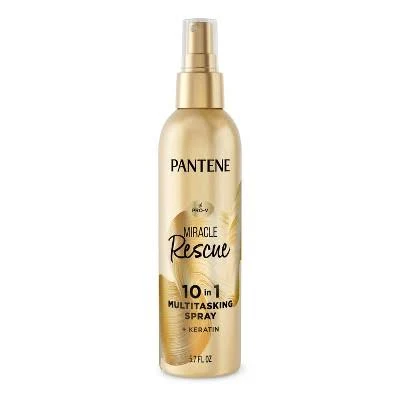
Pantene Miracle Rescue 10 In 1 Multitasking Spray
Lower-risk spray, but Pantene discloses nothing about PFAS; silicone-based conditioners lack inherent PFAS but formula remains undisclosed.
This rinse-off cosmetic contains no known PFAS-prone additives like waterproofing or grease barriers. Pantene provides no ingredient-level transparency or PFAS statement, limiting full assurance.
The better-graded swap
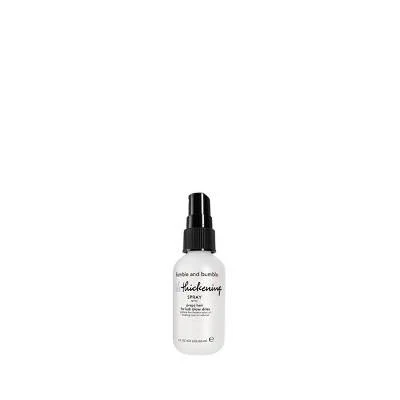
Bumble and bumble
Bumble and Bumble Thickening Spray
75/100 safety
Same rubric that flunked this product. The swap earned Excellent.
Still want this one anyway? Check the price on Amazon. We’d swap it.
Material
aqueous spray formula; likely silicone + polymeric conditioning agents
Brand disclosure
Brand is silent on PFAS
Lab data
No public lab test
You may also be interested in
Top-graded picks in the categories readers replace first, every one scored on the same rubric.

- polypropylene filter housing, carbon/sediment cartridge
- We found no PFAS statement from the brand
- Bacterial growth in spent cartridges
3 hazards checked on this product, all on its full breakdown.

Aquasure
Premier Series 75 GPD Under Sink Reverse Osmosis Water Filtration System
- RO membrane, carbon filters, stainless steel housing
- We found no PFAS statement from the brand
- Bacterial and microbial growth in housing and filters
4 hazards checked on this product, all on its full breakdown.

Avocado
Vegan Mattress
- organic cotton, natural latex, coconut coir, recycled steel coils
- The brand calls it PFAS-free, which we have not verified
- Heavy metals
2 hazards checked on this product, all on its full breakdown.
What Pantene Miracle Rescue 10 In 1 Spray is made of, ingredients and materials
Pantene Miracle Rescue is an aqueous (water-based) spray formula, meaning the carrier is predominantly water rather than volatile organic solvents. The active conditioning agents are likely silicone polymers and water-soluble conditioning resins, which coat the hair shaft to reduce frizz and improve manageability. Silicones themselves are inert, high-molecular-weight polymers that do not bioaccumulate and are not absorbed through skin. The spray format minimizes inhalation risk compared to aerosol formulations, as it is manually pumped rather than propellant-driven.
What’s concerning
Category baseline
The starting point for this type of product, before anything specific to this product is counted.
No PFAS disclosure
No public statement from the brand about PFAS in this product.
Fragrance allergens
Pantene formulations typically include fragrance blends; not publicly broken down. Common spray fragrance components (limonene, linalool) can trigger contact sensitization or airway irritation in individuals with fragrance sensitivity, though rates are low in general populations.
Inhalation risk from volatile organic compounds (VOCs)
Aqueous pump sprays generate finer mist than creams and may increase inhalation exposure during application. No specific VOC content is disclosed; silicone volatility is low, but undisclosed additives or preservatives could contribute minor airway irritation in poorly ventilated spaces.
Silicone buildup and scalp irritation
Long-term use of silicone-heavy styling products can lead to waxy accumulation on hair and scalp, potentially triggering itching, flaking, or fungal overgrowth if not clarified regularly. This is a chronic-use concern rather than acute toxicity.
What’s reassuring
Base material not linked to PFAS
The main material recorded for this product is not one associated with PFAS.
Formaldehyde / VOCs
No recalls or public reports of formaldehyde-releasing preservatives in Pantene Miracle Rescue. Modern Procter and Gamble formulations typically avoid DMDM hydantoin and imidazolidinyl urea, but ingredient disclosure is not detailed enough to rule out entirely.
Source, ATSDR ↗Heavy metals
Hair sprays do not typically require colorants or pigments; no evidence of cadmium, lead, or arsenic in published testing. P&G operates under FDA and EU regulatory oversight, which screens for elemental impurities in personal care products.
Source, FDA ↗How is this PFAS grade calculated?
The brand's record and disclosure
Pantene (owned by Procter and Gamble) does not publicly disclose PFAS content in hair care products, nor does it appear on lists of brands with PFAS transparency commitments. P&G has faced historical pressure on microplastics disclosure in personal care but has not been subject to major safety recalls for Pantene hair sprays. The brand meets basic regulatory compliance in major markets but does not voluntarily exceed minimum labeling requirements. No formal certifications (e.g., EWG Verified, Leaping Bunny) are associated with this product line.
How it compares in its category
Water-based conditioning sprays like this are broadly considered lower-risk than solvent-heavy styling products or aerosol sprays that may contain propellants or carrier VOCs. Compared to leave-in conditioners formulated with mineral oils or dimethicone-heavy bases, this product sits in the mainstream safety range. Silicone-based conditioners are more common in mainstream brands than plant-derived or silicone-free alternatives, which occupy a smaller premium segment. Relative to aerosol formulations, the pump spray delivery eliminates propellant inhalation risk.
If you buy it
Apply to damp hair at mid-length to ends; avoid saturating the scalp to prevent product buildup. Silicone-based products can accumulate with repeated use; clarify hair monthly with a chelating shampoo if you notice stiffness or flaking. Store at room temperature away from direct heat and sunlight to maintain formula stability; discard if separated or discolored after 12-18 months. Discontinue use if scalp irritation or contact dermatitis develops, as synthetic polymers occasionally trigger sensitivity in very reactive individuals.
What is not known about PFAS in this product?
- Basis
- Model estimate, 45% confidence, not a lab result
- Lab test
- None on record for this exact product
- Brand statement
- Pantene has made none
Formulations change between production runs, so check the current label. How we grade.
More hair spray grades
How we score, every product runs through the same public 0-100 rubric based on materials, coatings, brand disclosure, lab findings, and recalls. See the full methodology → Spotted a mistake? Report an error.