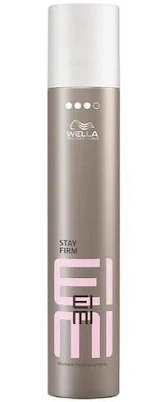
Wella EIMI Stay Firm Workable Finishing Hairspray
Avoid until Wella discloses or third-party testing confirms safety.
Wella offers no public PFAS disclosure or third-party verification for this aerosol. Hairsprays historically carry PFAS risk from water/stain repellency claims and aerosol formulations, though this product's specific ingredients are untested.
The better-graded swap
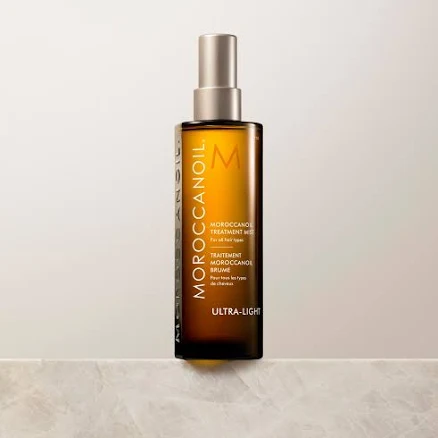
Moroccanoil
Moroccanoil Treatment Mist
75/100 safety
Same rubric that flunked this product. The swap earned Excellent.
Still want this one anyway? Check the price on Amazon. We’d swap it.
Material
aerosol hairspray (alcohol, resins, propellant)
Brand disclosure
Brand is silent on PFAS
Lab data
No public lab test
You may also be interested in
Top-graded picks in the categories readers replace first, every one scored on the same rubric.

- polypropylene filter housing, carbon/sediment cartridge
- We found no PFAS statement from the brand
- Bacterial growth in spent cartridges
3 hazards checked on this product, all on its full breakdown.

Aquasure
Premier Series 75 GPD Under Sink Reverse Osmosis Water Filtration System
- RO membrane, carbon filters, stainless steel housing
- We found no PFAS statement from the brand
- Bacterial and microbial growth in housing and filters
4 hazards checked on this product, all on its full breakdown.

Avocado
Vegan Mattress
- organic cotton, natural latex, coconut coir, recycled steel coils
- The brand calls it PFAS-free, which we have not verified
- Heavy metals
2 hazards checked on this product, all on its full breakdown.
What Wella EIMI Stay Firm Workable Hairspray is made of, ingredients and materials
Wella EIMI Stay Firm is an alcohol-based aerosol hairspray containing film-forming resins (likely acrylate polymers) and a hydrocarbon or liquefied petroleum gas propellant. The alcohol carrier evaporates quickly, leaving resin particles suspended in hair; propellants and aerosol delivery carry inhalation risk if used in unventilated spaces. This is a functional category where ingredient transparency is limited by industry practice, making independent verification difficult.
What’s concerning
Category baseline
The starting point for this type of product, before anything specific to this product is counted.
No PFAS disclosure
No public statement from the brand about PFAS in this product.
Propellant inhalation (hydrocarbon or LPG)
Aerosol hairsprays release volatile propellants during and after application. Acute inhalation in poor ventilation may cause dizziness or respiratory irritation; chronic exposure risk is low for typical consumer use but cumulative in salons or frequent heavy users.
Resin particle inhalation
Acrylate or acrylic resin polymers form fine particles in aerosol clouds; long-term lung effects at consumer exposure levels are not well-studied, though occupational exposure to aerosol resins is monitored in salon settings.
Fragrance allergen exposure
Hairsprays typically contain undisclosed fragrance compounds; individuals with fragrance sensitivity may experience scalp irritation, headache, or respiratory sensitivity from inhalation or residue contact.
Eye and mucous membrane irritation
Aerosol spray contact with eyes or mouth causes acute irritation. Product labeling warns against direct facial spray; accidental exposure during application in windy conditions or in bathrooms is a known consumer hazard.
PFAS
Wella does not disclose PFAS use; industry testing has found PFAS in some aerosol hairsprays as anti-static or water-repellent additives. Third-party data for this specific product is absent; Wella's silence is the primary concern.
Source, ATSDR ↗What’s reassuring
Base material not linked to PFAS
The main material recorded for this product is not one associated with PFAS.
How is this PFAS grade calculated?
The brand's record and disclosure
Wella (owned by Coty Inc.) does not publicly disclose PFAS use in hairsprays or commitment to phase-out, despite growing industry awareness. The brand has no major published safety recalls for this specific product line. Wella does not list detailed ingredient breakdowns beyond FDA cosmetic labeling standards, limiting consumer verification of chemical content beyond what aerosol hairsprays typically contain.
How it compares in its category
Standard alcohol-based aerosol hairsprays like Wella's carry similar inhalation and propellant risks as competitors (Tresemmé, TRESemmé, drugstore brands). Pump-spray and non-aerosol alternatives eliminate propellant concerns but may offer less firm hold. Brands with explicit PFAS-free claims or third-party certifications (e.g., EWG Verified) are available in the same price range, offering more transparency.
If you buy it
Use only in well-ventilated spaces to minimize inhalation of propellant and fine resin particles; avoid spraying near face if possible. Do not use in unventilated bathrooms or cars for extended periods. Replace when propellant pressure drops noticeably. If respiratory sensitivity, allergies, or pregnancy are factors, opt for pump-spray or non-aerosol finishers pending Wella's PFAS disclosure.
What is not known about PFAS in this product?
- Basis
- Model estimate, 45% confidence, not a lab result
- Lab test
- None on record for this exact product
- Brand statement
- Wella has made none
Formulations change between production runs, so check the current label. How we grade.
More hair spray grades
How we score, every product runs through the same public 0-100 rubric based on materials, coatings, brand disclosure, lab findings, and recalls. See the full methodology → Spotted a mistake? Report an error.