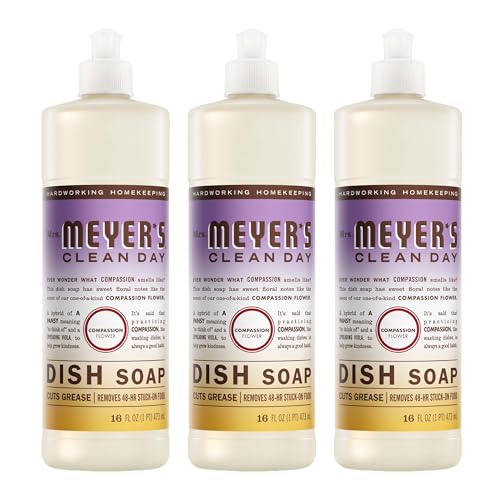
Mrs. Meyer's Clean Day · Dish Soap
Mrs. Meyer's Clean Day Compassion Flower Dish Soap
Lower concern. Liquid soap formulations rarely contain PFAS.
Mrs. Meyer's dish soap is a surfactant-based liquid cleaner with no typical PFAS risk factors. Brand does not disclose PFAS status but product category poses minimal concern.
We flunk more products than we pass. This one earned its grade. How we grade
Material
aqueous liquid soap, surfactants, fragrance
Brand disclosure
Brand is silent on PFAS
Lab data
No public lab test
You may also be interested in
Top-graded picks in the categories readers replace first, every one scored on the same rubric.

- polypropylene filter housing, carbon/sediment cartridge
- We found no PFAS statement from the brand
- Bacterial growth in spent cartridges
3 hazards checked on this product, all on its full breakdown.

Aquasure
Premier Series 75 GPD Under Sink Reverse Osmosis Water Filtration System
- RO membrane, carbon filters, stainless steel housing
- We found no PFAS statement from the brand
- Bacterial and microbial growth in housing and filters
4 hazards checked on this product, all on its full breakdown.

Avocado
Vegan Mattress
- organic cotton, natural latex, coconut coir, recycled steel coils
- The brand calls it PFAS-free, which we have not verified
- Heavy metals
2 hazards checked on this product, all on its full breakdown.
What Mrs. Meyer's Clean Day Flower Dish Soap is made of, ingredients and materials
Mrs. Meyer's Compassion Flower is an aqueous liquid soap formulation containing plant-derived surfactants, water, fragrance compounds, and preservatives. Liquid soaps avoid the coating-degradation and leaching risks of solid cookware or ceramic vessels. The surfactants break down oils and food residue; fragrance is the primary chemical additive that warrants scrutiny in personal-care contact products.
What’s concerning
Category baseline
The starting point for this type of product, before anything specific to this product is counted.
No PFAS disclosure
No public statement from the brand about PFAS in this product.
Fragrance allergens and sensitizers
Fragrance compounds in 'Compassion Flower' scent are not itemized on labels (US law permits 'fragrance' as a single ingredient). Limonene, linalool, and geraniol are common plant-derived fragrances that can trigger contact dermatitis or respiratory irritation in sensitive individuals; no specific reactions to this product are on record.
Preservative-related irritation
Liquid soaps require preservatives to prevent microbial growth. Common preservatives (methylisothiazolinone, phenoxyethanol) can cause skin irritation at high concentrations; Mrs. Meyer's does not disclose preservative identity in fragrance. Risk is low if rinsed promptly and thoroughly.
Eye and mucous membrane irritation
Dish soaps are surfactant-based and inherently irritating to eyes and sensitive mucous membranes. Standard precaution, avoid contact with eyes and mouth. This is a typical hazard of the product category, not specific to Mrs. Meyer's formulation.
Aquatic toxicity from disposal
Surfactants and fragrance compounds enter wastewater; plant-derived surfactants biodegrade faster than synthetic ones, but complete environmental impact depends on wastewater treatment capacity. Not a direct user hazard but relevant to full product lifecycle.
What’s reassuring
Base material not linked to PFAS
The main material recorded for this product is not one associated with PFAS.
Heavy metals
No recalls or testing reports document heavy metal contamination (lead, cadmium, arsenic) in Mrs. Meyer's products. Manufacturer sourcing practices are not independently audited or disclosed.
Source, FDA ↗How is this PFAS grade calculated?
The brand's record and disclosure
Mrs. Meyer's (owned by SC Johnson) publishes ingredient lists on packaging and online, meeting FDA cosmetic labeling standards. The brand does not publicly promote PFAS-free status or independent third-party certifications (e.g., EPA Safer Choice, EWG Verified). No major recalls or safety controversies specific to this product line are on record in CPSC or FDA databases.
How it compares in its category
Liquid dish soaps are among the lowest-risk consumer cleaning products because they rinse away completely and contain no persistent coatings or structural materials. Mrs. Meyer's sits in the mainstream-accessible segment; it is not certified eco-label (e.g., Green Seal, EcoLogo) but also does not use industrial-grade surfactants or undisclosed 'fragrance cocktails' common in budget brands. Plant-derived surfactants are chemically gentler than petroleum-derived ones, though efficacy varies.
If you buy it
Use as directed on packaging; dish soaps are meant to be diluted with water and rinsed thoroughly. No special storage precautions beyond normal household cleaning products, keep away from children and pets, store at room temperature. Liquid soaps do not require replacement cycles; use until empty. If skin sensitivity occurs with the fragrance, switch to fragrance-free or hypoallergenic dish soap formulations.
What is not known about PFAS in this product?
- Basis
- Model estimate, 82% confidence, not a lab result
- Lab test
- None on record for this exact product
- Brand statement
- Mrs. Meyer's Clean Day has made none
Formulations change between production runs, so check the current label. How we grade.
What are the PFAS-free alternatives to Mrs. Meyer's Clean Day Compassion Flower Dish Soap?
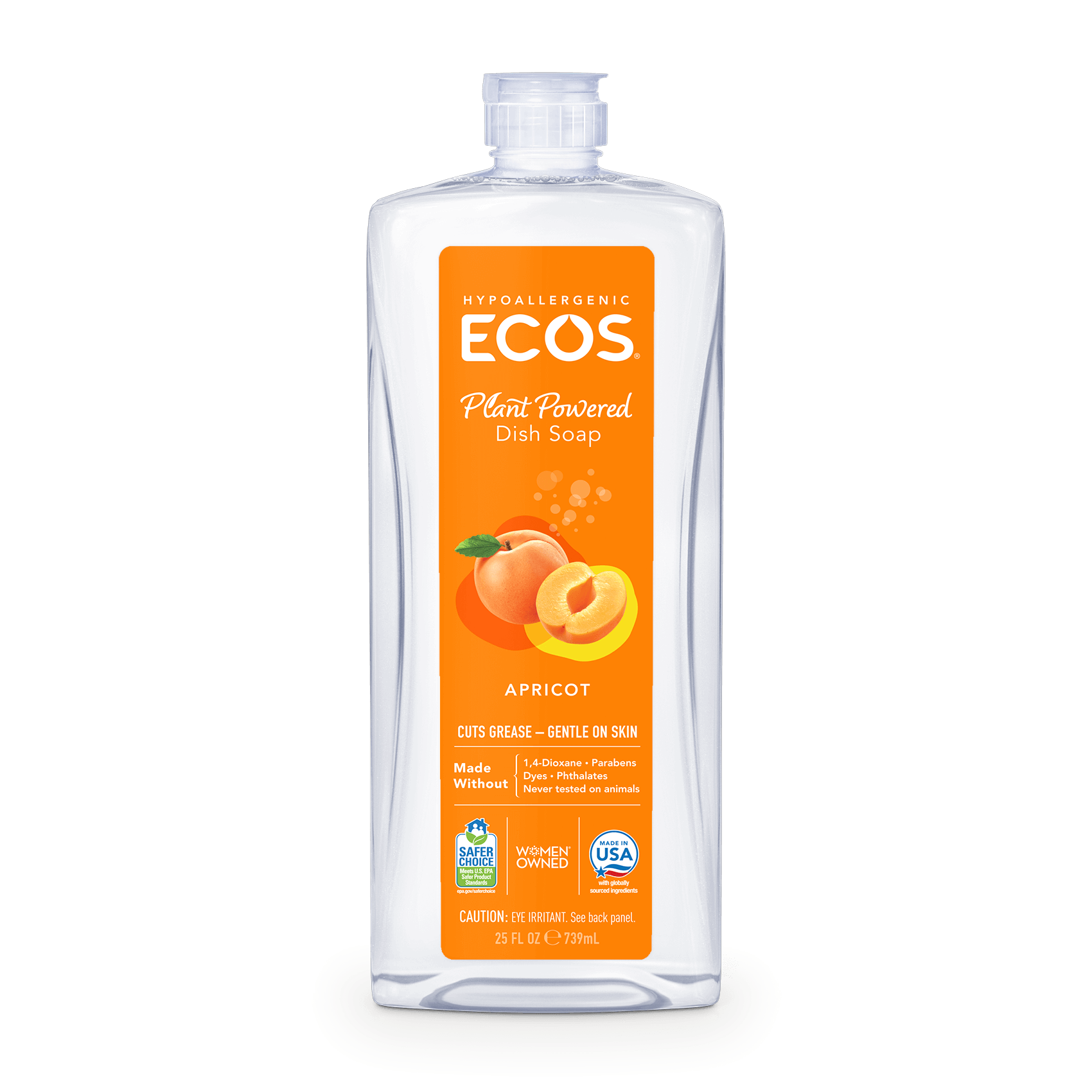
- plant-derived surfactants, water, botanical extracts
- A third party reports verifying it as PFAS-free
- Fragrance allergens (botanical origin)
2 hazards checked on this product, all on its full breakdown.
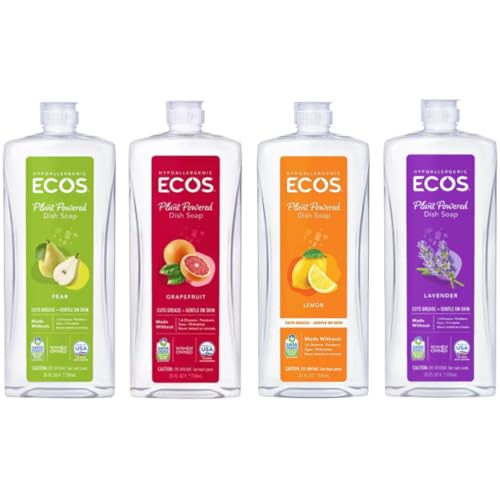
- plant-based surfactants, water, plant derivatives
- A third party reports verifying it as PFAS-free
- Aquatic toxicity from surfactants
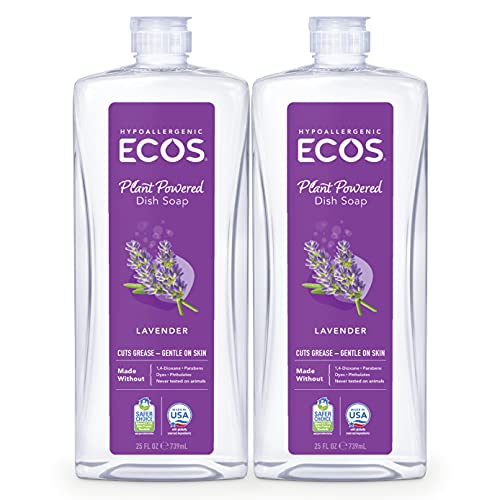
- Plant-based surfactants, water, essential oil
- The brand calls it PFAS-free, which we have not verified
- Fragrance allergens (essential oil)
2 hazards checked on this product, all on its full breakdown.
More dish soap grades
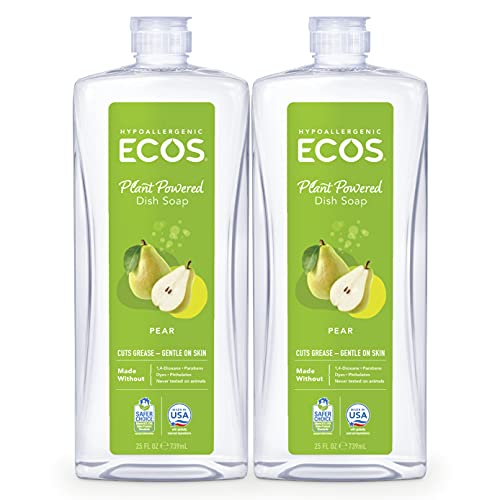 100ECOS Dish Soap – Pear
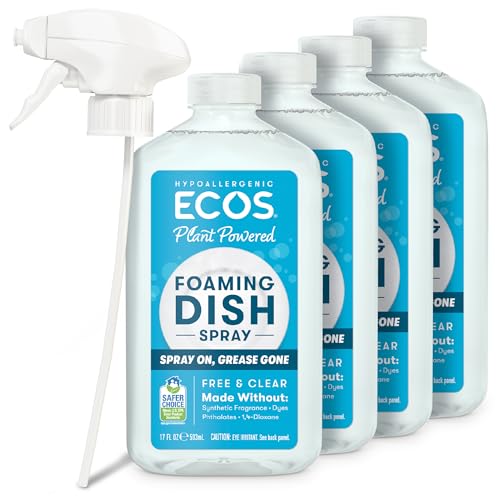 100ECOS Foaming Dish Soap – Free & Clear
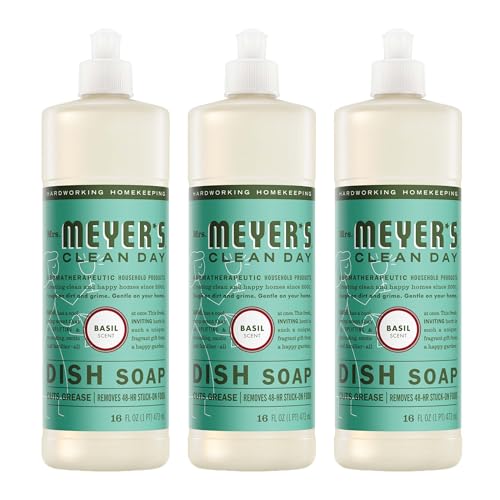 100Mrs. Meyer's Clean Day Basil Dish Soap
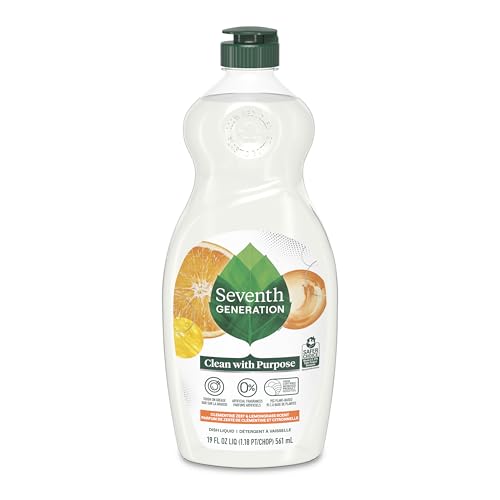 100Seventh Generation Dish Soap - Clementine Zest & Lemongrass
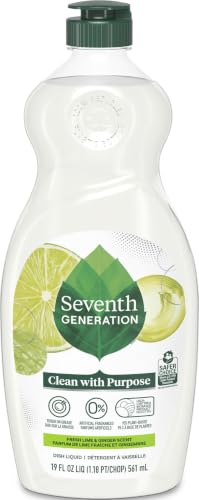 100Seventh Generation Dish Soap - Fresh Lime & Ginger
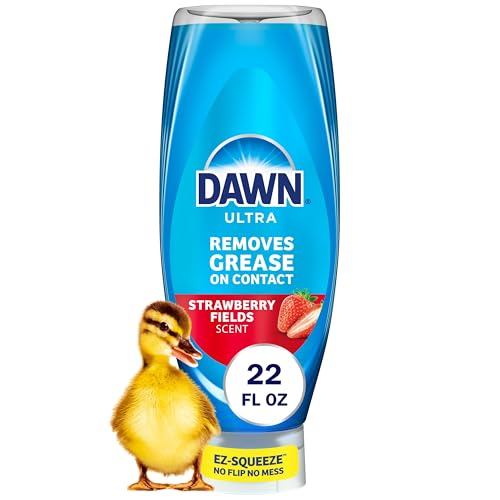 85Dawn Ultra Strawberry Fields
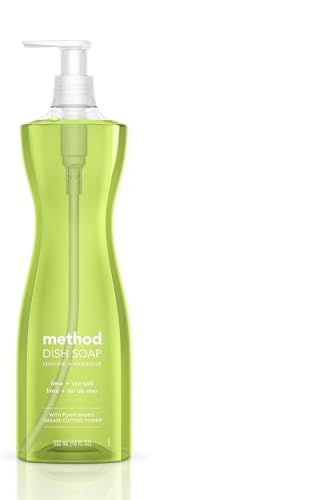 85Method Gel Dish Soap, Lime + Sea Salt
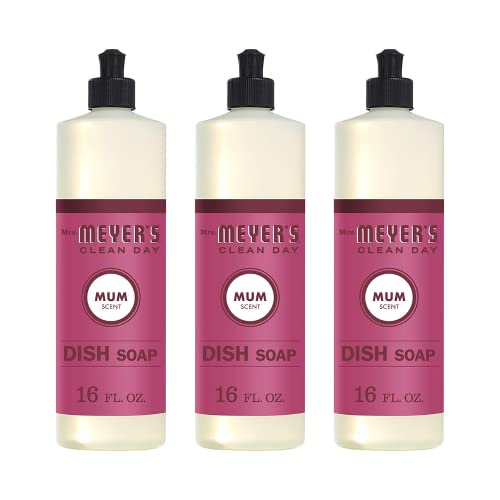 85Mrs. Meyer's Clean Day Mum Dish Soap
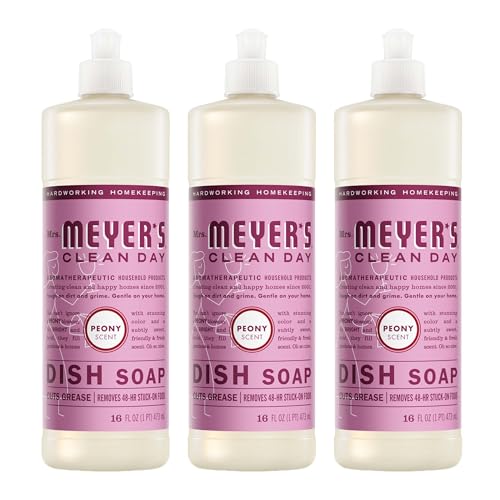 85Mrs. Meyer's Clean Day Peony Dish Soap
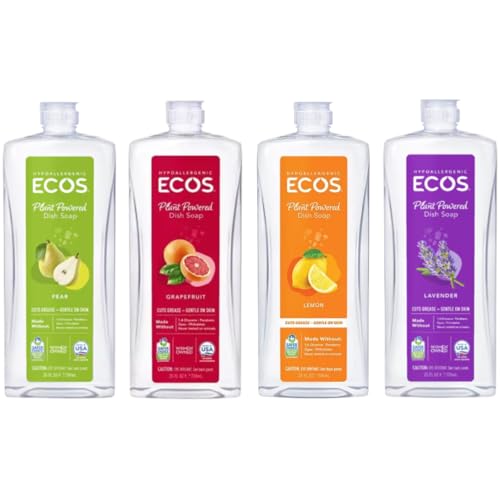 85ECOS Dish Soap – GrapefruitCompare vs Ecos →All dish soap →
How we score, every product runs through the same public 0-100 rubric based on materials, coatings, brand disclosure, lab findings, and recalls. See the full methodology → Spotted a mistake? Report an error.