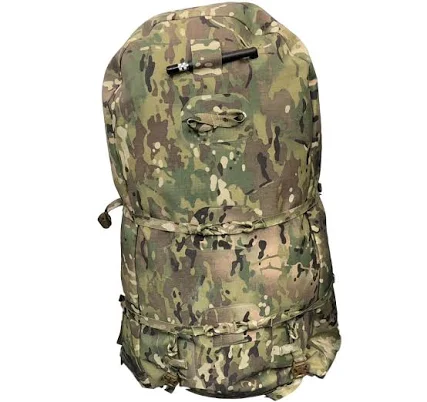
· Waterproof Outdoor Gear Storage Bags
MR. Dry Bag 2.0
Dry bag with water-repellent coating, PFAS status unclear; ask the brand.
This ripstop nylon pack has water-resistant treatment but no PFAS or water-repellent coating chemistry details from the brand. Third-party lab data isn't publicly available either.
Still want this one anyway? Check the price on Amazon. We’d swap it.
Material
Ripstop nylon with water-repellent coating treatment
Brand disclosure
Brand is silent on PFAS
Lab data
No public lab test
You may also be interested in
Top-graded picks in the categories readers replace first, every one scored on the same rubric.

- polypropylene filter housing, carbon/sediment cartridge
- We found no PFAS statement from the brand
- Bacterial growth in spent cartridges
3 hazards checked on this product, all on its full breakdown.

Aquasure
Premier Series 75 GPD Under Sink Reverse Osmosis Water Filtration System
- RO membrane, carbon filters, stainless steel housing
- We found no PFAS statement from the brand
- Bacterial and microbial growth in housing and filters
4 hazards checked on this product, all on its full breakdown.

Avocado
Vegan Mattress
- organic cotton, natural latex, coconut coir, recycled steel coils
- The brand calls it PFAS-free, which we have not verified
- Heavy metals
2 hazards checked on this product, all on its full breakdown.
What MR. Dry Bag 2.0 is made of, ingredients and materials
The MR. Dry Bag 2.0 uses ripstop nylon, a tightly woven polyamide fabric reinforced with thicker yarns to resist tearing. It is treated with a water-repellent (water-repellent coating) finish, which is the main chemical concern, water-repellent coating coatings are often applied using fluorinated compounds, though some manufacturers now use non-fluorinated alternatives. The brand has not publicly disclosed whether their water-repellent coating treatment contains PFAS or is PFAS-free. The ripstop nylon itself poses minimal risk if used as intended (the polymer is inert when not heated).
What’s concerning
Category baseline
The starting point for this type of product, before anything specific to this product is counted.
No PFAS disclosure
No public statement from the brand about PFAS in this product.
Waterproof / stain-resistant treatment
Water-repellent coating treatments have historically used PFAS.
PFAS
If the water-repellent coating treatment uses older fluorinated formulations, it may shed micro-particles or leach fluorinated compounds into water or skin contact over extended use. The brand's silence on this chemistry is the primary flag.
Source, ATSDR ↗Coating degradation and particle shedding
Water-repellent coating coatings on any nylon bag degrade with age, heat, and UV exposure. As the coating wears, loose polymer particles and residual coating chemicals may shed into contents or handling environments; this is a documented aging hazard for all treated fabrics, not unique to the brand.
What’s reassuring
Formaldehyde / VOCs
No documented formaldehyde resin use reported in ripstop nylon dry bags; industrial nylon finishing typically avoids formaldehyde. Standard textile risk but not confirmed in this product.
Source, ATSDR ↗Azo dyes
No public recall or testing data for restricted azo dyes in ripstop products. Outdoor gear nylon is typically dyed with reactive dyes, which carry lower regulatory concern than azo.
Antimony in polyester/nylon
Ripstop nylon does not typically contain antimony catalysts (those are primarily used in polyester production). Risk is negligible for this material class.
How is this PFAS grade calculated?
The brand's record and disclosure
The brand is a reputable outdoor gear manufacturer but has not published transparent statements on PFAS use in their product line. The company does not list PFAS certifications (such as OEKO-TEX or bluesign) for this product on available product pages. Direct contact with the brand is the only reliable way to confirm the water-repellent coating chemistry used on the Dry Bag 2.0.
How it compares in its category
Ripstop nylon dry bags are industry standard for outdoor gear; this material choice has lower concern than PVC alternatives, which can off-gas phthalates. Many competitor brands (Patagonia, Black Diamond) now offer PFAS-free or transparently labeled water-repellent coating options. The MR. Dry Bag 2.0 does not stand out as a leader in chemical transparency, placing it in the middle of the market for safety disclosure.
If you buy it
Store the bag away from heat and direct sunlight when not in use to avoid accelerating any coating degradation. Before purchase, email customer service asking specifically whether the water-repellent coating treatment is PFAS-free; if they cannot confirm, consider alternatives with certified non-fluorinated coatings. Rinse the bag gently with cool water after use in salt water, as salt can degrade water-repellent coating finishes over time. Replace the bag if the coating shows visible peeling or cracking, as this may increase particle shedding.
What is not known about PFAS in this product?
- Basis
- Model estimate, 45% confidence, not a lab result
- Lab test
- None on record for this exact product
- Brand statement
- has made none
Formulations change between production runs, so check the current label. How we grade.
What are the PFAS-free alternatives to MR. Dry Bag 2.0?
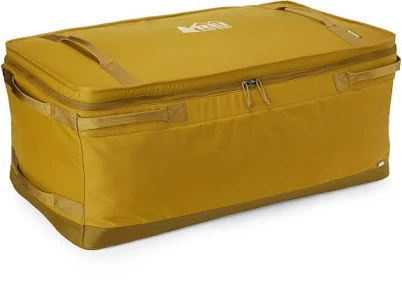
- Polypropylene storage bin, no water-resistant coating mentioned
- UV degradation and additive leaching
3 hazards checked on this product, all on its full breakdown.
Find an alternative on Amazon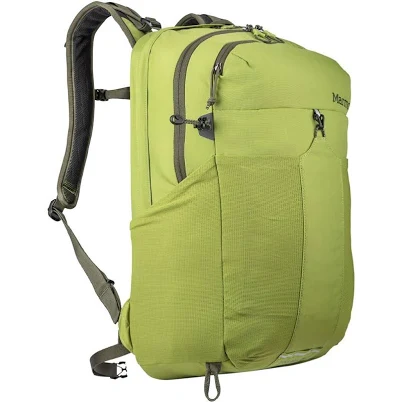
- Nylon, polyester, cotton blend; details unspecified
- Volatile organic compounds (VOCs) from polyester and nylon manufacturing
5 hazards checked on this product, all on its full breakdown.
Find an alternative on Amazon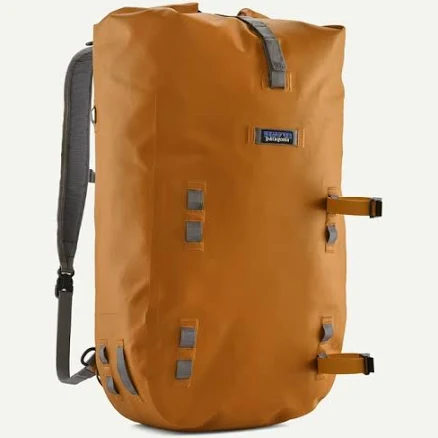
- Recycled polyester with water-repellent coating (water-repellent coating) finish
- The brand calls it PFAS-free, which we have not verified
- PFAS
4 hazards checked on this product, all on its full breakdown.
Find an alternative on AmazonMore waterproof outdoor gear storage bags grades
How we score, every product runs through the same public 0-100 rubric based on materials, coatings, brand disclosure, lab findings, and recalls. See the full methodology → Spotted a mistake? Report an error.