Nalgene · Portable Water Bottles
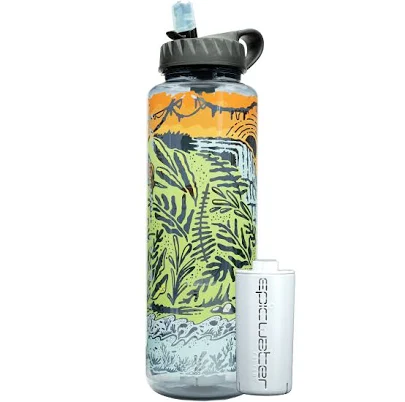
Epic Water Filters Nalgene OG Water Bottle with Filter
Low risk, but independent verification of PFAS status remains advisable.
Tritan plastic and activated carbon are inherently low-PFAS materials. The brand provides no PFAS claims or third-party verification.
We flunk more products than we pass. This one earned its grade. How we grade
Material
Tritan copolyester bottle, activated carbon filter
Brand disclosure
Brand is silent on PFAS
Lab data
No public lab test
What Epic Water Filters Nalgene OG Water is made of, ingredients and materials
The bottle is Tritan copolyester, a BPA-free engineering plastic designed for durability and temperature resistance without the chemical concerns of older polycarbonate. Tritan does not contain BPA, BPS, or phthalates in its base formulation. The filter is activated carbon, an inert porous material that traps dissolved contaminants and chlorine but does not leach chemicals into water under normal use. Combined, these materials are chemically inert and stable across standard drinking-use temperature ranges (cold to warm water, not boiling).
What’s concerning
Category baseline
The starting point for this type of product, before anything specific to this product is counted.
No PFAS disclosure
No public statement from the brand about PFAS in this product.
Bacterial growth in filter (maintenance-dependent)
Activated carbon filters provide a nutrient-rich surface for bacteria if not replaced regularly. Risk is not inherent to the product design but depends entirely on user maintenance; a neglected filter can harbor E. coli or Legionella after 4-6 weeks of non-replacement.
Filter housing seal degradation
The connection between bottle and filter cartridge relies on a rubber or silicone gasket that can wear or crack over time (typically 1-2 years of daily use), allowing unfiltered water to bypass the carbon. Inspect seals visually every 6 months.
Activated carbon saturation without visual warning
Spent activated carbon may not change color or appearance, so users cannot detect when it is exhausted. A saturated filter no longer removes chlorine, odors, or some contaminants; replacement schedules are the only reliable control.
What’s reassuring
Base material not linked to PFAS
The main material recorded for this product is not one associated with PFAS.
Tritan leaching under extreme thermal stress
Tritan is chemically stable under standard drinking-use conditions. No published reports of leaching from this specific product exist; however, prolonged exposure to near-boiling water (above 70°C) or freezing could theoretically stress the polymer, though this is not a documented field hazard.
BPA & bisphenols
Tritan copolyester does not contain BPA or phthalates in its polymer backbone. No recalls or field reports of these chemicals leaching from Nalgene Tritan bottles exist, but independent third-party testing of this specific product is not publicly available.
Source, FDA ↗The full breakdown
The brand's record and disclosure
Nalgene has no major product safety recalls or documented chemical hazard controversies in recent years. The brand does not publicly disclose PFAS testing or mitigation efforts for this product line, which is typical of many water bottle manufacturers but represents a gap in transparency. Nalgene is owned by Groupe SEB (a French conglomerate) and markets bottles as durable, reusable alternatives to single-use plastics, aligning with environmental messaging rather than detailed chemical safety disclosure.
How it compares in its category
Tritan-based bottles with activated carbon filters occupy the mid-tier of water filter bottles. They show lower concern for leaching than low-cost plastic bottles with unknown coatings and comparable chemical stability to glass or stainless steel alternatives, though slightly less durable than steel. Activated carbon filters are standard in this category and require regular replacement (typically every 2-3 months) to prevent bacterial colonization; they are not superior to pitcher filters or tap-mounted systems at removing specific contaminants like heavy metals or fluoride.
If you buy it
Replace the filter every 2-3 months or per the manufacturer's schedule, even if the bottle appears clean, to avoid bacterial biofilm buildup in spent carbon. Do not expose the bottle to boiling water or freezers for extended periods, as Tritan can become brittle under extreme thermal stress. Rinse the filter housing with clean water during each refill. Check the filter fits snugly; a loose seal allows unfiltered water to bypass the cartridge.
What we don’t know
- Basis
- Model estimate, 72% confidence, not a lab result
- Lab test
- None on record for this exact product
- Brand statement
- Nalgene has made none
Formulations change between production runs, so check the current label. How we grade.
Better-graded alternatives in Portable Water Bottles
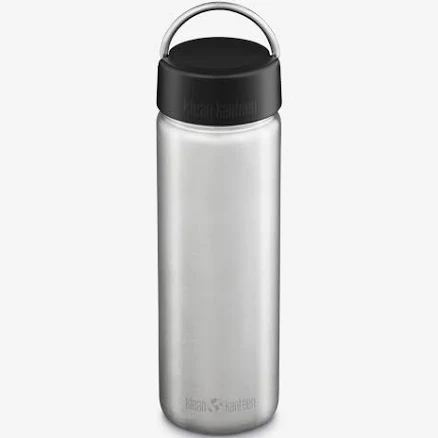
Klean Kanteen
27oz Wide Water Bottle with Loop Cap
- 18/8 stainless steel, no interior coating
- The brand calls it PFAS-free, which we have not verified
- Cap or closure contamination
2 hazards checked on this product. See all of them.
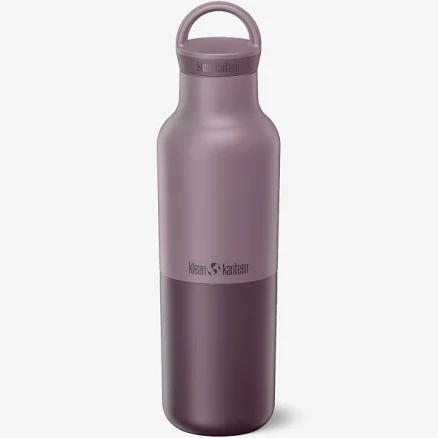
Klean Kanteen
Rise Classic Insulated Water Bottle
- stainless steel body, foam insulation, stainless steel cap
- The brand calls it PFAS-free, which we have not verified
- Cap gasket and seal contamination
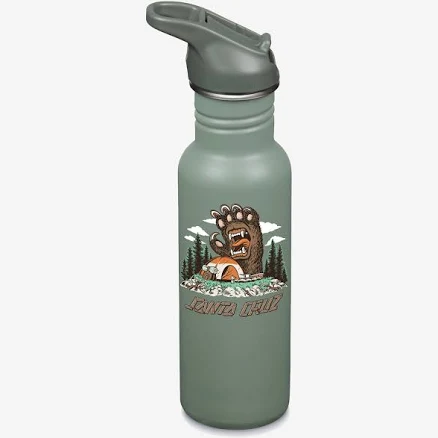
Klean Kanteen
Classic Flip Seal Sport Cap
- Stainless steel bottle, plastic flip cap
- The brand calls it PFAS-free, which we have not verified
- Plastic cap degradation and microplastic shedding
3 hazards checked on this product. See all of them.
More portable water bottles grades
How we score, every product runs through the same public 0-100 rubric based on materials, coatings, brand disclosure, lab findings, and recalls. See the full methodology → Spotted a mistake? Report an error.