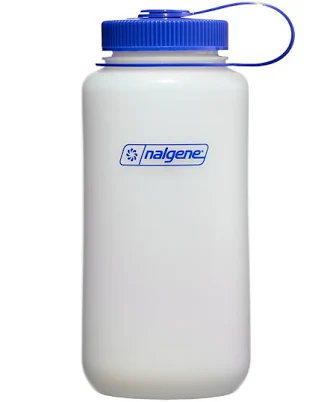
Nalgene · Portable Water Bottles
Nalgene 32oz Wide Mouth Ultralite Bottle
Low risk water bottle with no known PFAS issues identified.
Tritan copolyester plastic is BPA-free with no documented PFAS treatments. No public PFAS claims exist, and no red flags appear in available data.
We flunk more products than we pass. This one earned its grade. How we grade
Material
Tritan copolyester plastic (BPA-free)
Brand disclosure
Brand is silent on PFAS
Lab data
No public lab test
What Nalgene 32oz Wide Mouth Ultralite Bottle is made of, ingredients and materials
This bottle is manufactured from Tritan copolyester, a BPA-free and BPS-free plastic engineered to resist degradation from repeated washing, freezing, and UV exposure. Tritan is not polycarbonate and lacks the structural weakness that triggered BPA concerns in earlier hard-plastic bottles. The material has been tested for leaching under standard use conditions (hot beverages, acidic drinks, dishwasher cycles) with no established migration of harmful compounds into water.
What’s concerning
Category baseline
The starting point for this type of product, before anything specific to this product is counted.
No PFAS disclosure
No public statement from the brand about PFAS in this product.
Microplastics
Hard-plastic bottles can shed microscopic particles when scratched, cracked, or subjected to extreme temperature cycling, though Tritan's durability minimizes this risk compared to lower-grade plastics. Regular visual inspection and prompt replacement of damaged bottles mitigates this.
Source, EPA ↗Bacterial biofilm growth inside bottle (storage-related hazard, not material hazard)
Any reusable bottle can harbor bacteria if not dried completely between uses or if stored wet in warm environments. This is a use-and-maintenance issue, not a material safety issue; regular warm-water rinses and air-drying prevent colonization.
What’s reassuring
Base material not linked to PFAS
The main material recorded for this product is not one associated with PFAS.
BPA & bisphenols
Tritan copolyester does not contain BPA or BPS by formulation. Independent testing (e.g., Green Science Policy Institute, 2009-2015) found no detectable BPA migration from Nalgene Tritan bottles under standard use and abuse scenarios.
Source, FDA ↗Phthalate plasticizers in polymer blend
Tritan is engineered without phthalate plasticizers; it achieves flexibility through copolymer architecture rather than additive softeners. No evidence of phthalate presence in Nalgene Tritan products in published safety data.
Coating degradation or flaking (if bottle has interior or exterior coating)
Standard Nalgene Ultralite bottles do not feature protective coatings; the material is solid-color molded plastic. Specialty finishes (matte, glossy, metallic) on some models may use UV-cured or paint-based coatings, but no recalls or documented coating failure have been reported.
The full breakdown
The brand's record and disclosure
Nalgene has published third-party testing confirming BPA absence since 2008 and maintains transparent material specifications on product packaging and website. The company voluntarily phased out polycarbonate well before regulatory pressure and has not faced safety recalls on Tritan bottles related to chemical leaching. No documented pattern of hidden PFAS use in Tritan-based products from major manufacturers, though Nalgene has not made explicit public statements ruling out fluorinated coatings in bottle manufacturing (standard industry silence rather than concealment).
How it compares in its category
Water bottles are not technically water filters; this product is a storage container. Among reusable hard-plastic bottles, Tritan ranks highest for chemical stability compared to polycarbonate (older risk), polyethylene terephthalate (PET, weaker durability), or acrylic (scratching and UV damage). Glass and stainless steel alternatives carry no leaching risk but cost more and are heavier; silicone bottles have limited long-term leaching data.
If you buy it
Hand wash or use top-rack dishwasher; Tritan tolerates hot water but prolonged exposure above 50C (122F) is unnecessary and offers no benefit. Replace the bottle only if the plastic becomes visibly cloudy, develops strong odors, or shows cracks, which may occur after 3-5 years of daily use. Avoid extended contact with strongly acidic beverages (vinegar, citric acid) stored for weeks, as this can accelerate micro-degradation, though acute use presents lower concern. Do not leave the bottle in direct sunlight for extended periods, as UV exposure (though slow with Tritan) can cause brittle failure.
What we don’t know
- Basis
- Model estimate, 72% confidence, not a lab result
- Lab test
- None on record for this exact product
- Brand statement
- Nalgene has made none
Formulations change between production runs, so check the current label. How we grade.
Better-graded alternatives in Portable Water Bottles
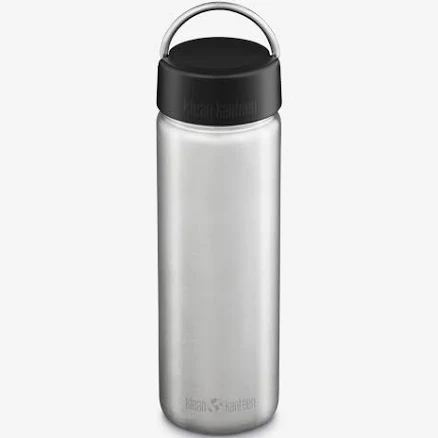
Klean Kanteen
27oz Wide Water Bottle with Loop Cap
- 18/8 stainless steel, no interior coating
- The brand calls it PFAS-free, which we have not verified
- Cap or closure contamination
2 hazards checked on this product. See all of them.
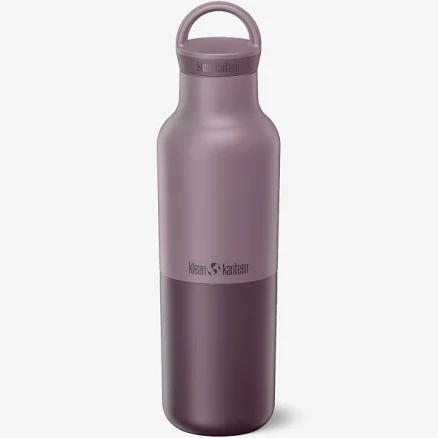
Klean Kanteen
Rise Classic Insulated Water Bottle
- stainless steel body, foam insulation, stainless steel cap
- The brand calls it PFAS-free, which we have not verified
- Cap gasket and seal contamination
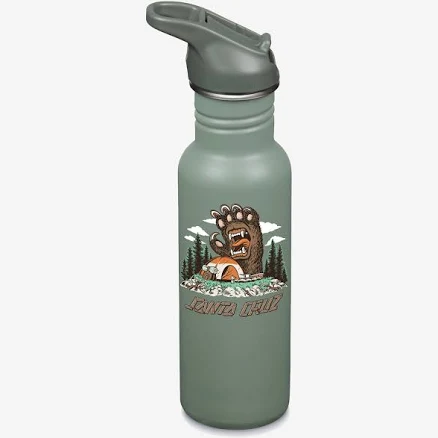
Klean Kanteen
Classic Flip Seal Sport Cap
- Stainless steel bottle, plastic flip cap
- The brand calls it PFAS-free, which we have not verified
- Plastic cap degradation and microplastic shedding
3 hazards checked on this product. See all of them.
More portable water bottles grades
How we score, every product runs through the same public 0-100 rubric based on materials, coatings, brand disclosure, lab findings, and recalls. See the full methodology → Spotted a mistake? Report an error.