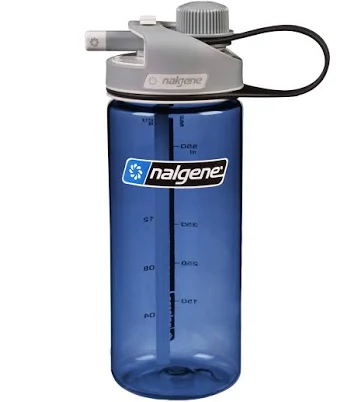
Nalgene · Portable Water Bottles
Nalgene Multidrink Sustain Water Bottle
Tritan copolyester body is not a material linked to PFAS, but filter chemistry is not stated.
The water bottle body is made from Tritan copolyester, which is not a material associated with PFAS. The brand has no PFAS statement on record. The replaceable carbon filter's chemistry is not stated.
We flunk more products than we pass. This one earned its grade. How we grade
Material
Tritan copolyester plastic body, replaceable carbon filter
Brand disclosure
Brand is silent on PFAS
Lab data
No public lab test
What Nalgene Multidrink Sustain Water Bottle is made of, ingredients and materials
The Nalgene Multidrink Sustain uses Tritan copolyester, a plastic not linked to BPA or phthalates and engineered with lower concern than polycarbonate. Tritan does not leach estrogen-mimicking compounds under normal use, including hot beverage storage. The replaceable carbon filter is the functional risk point; its housing material and activated carbon source determine whether contaminants or bacterial byproducts enter drinking water.
What’s concerning
Category baseline
The starting point for this type of product, before anything specific to this product is counted.
No PFAS disclosure
No public statement from the brand about PFAS in this product.
Bacterial growth in filter housing and carbon bed
If the filter cartridge is not replaced on schedule or the bottle sits unused for extended periods, standing water in the carbon filter creates ideal conditions for bacteria and mold colonization. This is a behavioral risk, not a manufacturing defect, but common among users who underestimate replacement frequency.
Filter media leachables (housing polymer, activated carbon sourcing)
Nalgene does not publicly disclose the specific polymer used in the filter cartridge housing or the origin and processing of the activated carbon. If the filter housing is lower-grade plastic or the carbon is not food-grade activated, micro-contamination or odor compounds could enter water; third-party testing would be required to confirm safety.
What’s reassuring
Base material not linked to PFAS
The main material recorded for this product is not one associated with PFAS.
Tritan plastic degradation over time
Tritan is more durable than polycarbonate and does not yellow or become brittle as quickly, but long-term storage in sunlight or repeated thermal stress (hot cars, freezing) can degrade the polymer. No documented leaching from Tritan degradation has been reported in this product line, but durability claims are not lifetime guarantees.
Filter bypass or inadequate particulate removal
Carbon filters are designed to reduce chlorine taste and some chemicals but are not certified for pathogenic bacteria or viruses. If the filter is damaged or improperly seated, untreated water may pass through. No recalls or performance failures have been reported for Nalgene Sustain filters, but user error (loose cartridge) is possible.
Seal and gasket material leachables
The cap and filter cartridge seals are typically rubber or elastomer compounds. Nalgene does not disclose whether these contain BPA, phthalates, or other plasticizers. Exposure is minimal because seals contact water briefly, but individuals with sensitivities or infants may warrant caution. No leaching incidents are on public record.
The full breakdown
The brand's record and disclosure
Nalgene has marketed Tritan adoption since 2008 as a BPA-avoidance move and maintains certification from third parties (typically NSF or similar) for their bottled-water products. The brand has not issued public statements on PFAS in their plastic body or filter media. No product recalls for leaching or contamination are on record for this specific model. Transparency on filter sourcing and manufacturing standards remains limited in public marketing materials.
How it compares in its category
Water bottles with replaceable filters sit at higher risk than sealed bottles because filter maintenance and bacterial colonization depend entirely on user behavior. Nalgene's Sustain line avoids the known chemical hazards of polycarbonate and most stainless steel liners (which can shed metals under acidic conditions). Most competitors using Tritan face identical trade-offs, plastic resin with no hazard of this kind on record but filter hygiene is user-managed, not manufacturer-managed.
If you buy it
Replace the carbon filter every 2 months or 40 gallons (follow the label, not marketing guesses). Rinse the bottle and filter housing weekly with hot water and a brush to prevent biofilm buildup. Do not store the bottle with filter cartridge seated for more than 48 hours without use; standing water breeds bacteria regardless of carbon quality. Tritan is suitable for cold and room-temperature drinks but not dishwasher-recommended (heat can degrade seals).
What we don’t know
- Basis
- Model estimate, 72% confidence, not a lab result
- Lab test
- None on record for this exact product
- Brand statement
- Nalgene has made none
Formulations change between production runs, so check the current label. How we grade.
Better-graded alternatives in Portable Water Bottles
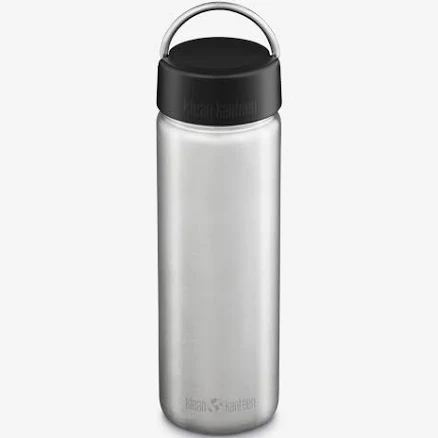
Klean Kanteen
27oz Wide Water Bottle with Loop Cap
- 18/8 stainless steel, no interior coating
- The brand calls it PFAS-free, which we have not verified
- Cap or closure contamination
2 hazards checked on this product. See all of them.
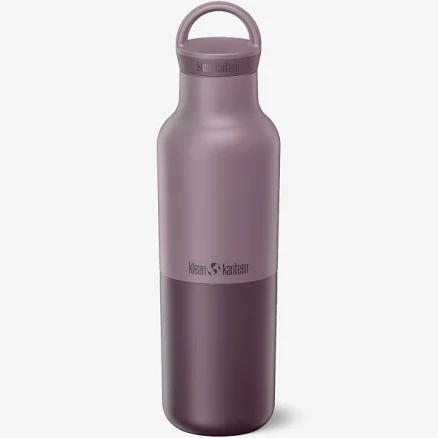
Klean Kanteen
Rise Classic Insulated Water Bottle
- stainless steel body, foam insulation, stainless steel cap
- The brand calls it PFAS-free, which we have not verified
- Cap gasket and seal contamination
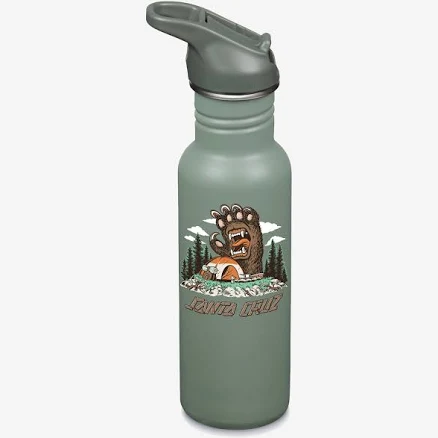
Klean Kanteen
Classic Flip Seal Sport Cap
- Stainless steel bottle, plastic flip cap
- The brand calls it PFAS-free, which we have not verified
- Plastic cap degradation and microplastic shedding
3 hazards checked on this product. See all of them.
More portable water bottles grades
How we score, every product runs through the same public 0-100 rubric based on materials, coatings, brand disclosure, lab findings, and recalls. See the full methodology → Spotted a mistake? Report an error.