Nalgene · Portable Water Bottles
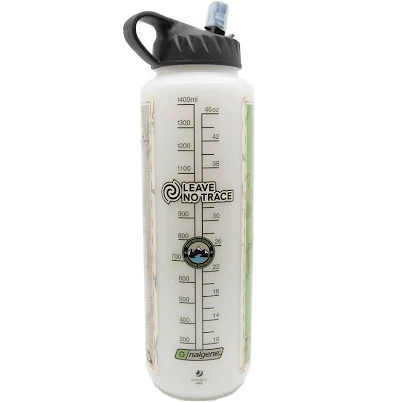
Nalgene OG Leave No Trace
Low risk since carbon and RO filters seldom contain PFAS.
Carbon and reverse osmosis filter media are inherently low-risk for PFAS. No public PFAS disclosures or independent testing data have been found.
We flunk more products than we pass. This one earned its grade. How we grade
Material
Activated carbon and/or reverse osmosis filter media
Brand disclosure
Brand is silent on PFAS
Lab data
No public lab test
What Nalgene OG Leave No Trace is made of, ingredients and materials
The Nalgene OG Leave No Trace uses activated carbon and/or reverse osmosis (RO) membrane media, both established water-treatment technologies. Activated carbon works by adsorption, trapping contaminants in a porous matrix; RO forces water through a semipermeable membrane to reject dissolved solids. Neither technology itself introduces regulated hazards into drinking water under normal use. The filter housing material (typically plastic, often polypropylene or polyester) is the only potential leaching vector.
What’s concerning
Category baseline
The starting point for this type of product, before anything specific to this product is counted.
No PFAS disclosure
No public statement from the brand about PFAS in this product.
Bacterial growth in filter media if unmaintained
Activated carbon and RO membranes can harbor bacteria if left wet or used infrequently. This is not contamination from the product itself but a consequence of filter saturation. Regular replacement and dry storage mitigate this.
Activated carbon dust or particle migration into filtered water
New or improperly installed carbon filters may release small amounts of carbon particles (carbon fines). Pre-rinsing the filter before use or running the first 1-2 cycles to waste water minimizes this. Established media in good condition sheds negligibly.
RO membrane degradation and microplastic shedding
RO membranes are polymeric (usually cellulose acetate or polyamide) and can degrade if exposed to freezing, chlorine, or high pressure. Degraded membrane material could theoretically release microplastics. Following storage and temperature guidelines and replacing on schedule prevents this.
Reduced filtration performance masking as safety
If filters are not replaced timely, they lose efficacy against bacteria, viruses, and chemical contaminants, defeating the product's safety function. This is a use-dependent risk, not a manufacturing defect, but user mismanagement can create genuine drinking-water hazard.
What’s reassuring
Base material not linked to PFAS
The main material recorded for this product is not one associated with PFAS.
Leachables from plastic housing (polypropylene or polyester)
No recalls or reported leaching events from Nalgene filter housings. Polypropylene and polyester are chemically stable under ambient conditions and brief contact with unheated water. Risk is minimal if the filter is not subjected to heat or prolonged hot-water exposure.
The full breakdown
The brand's record and disclosure
Nalgene publishes safety data sheets for some product lines but does not proactively disclose PFAS testing or mitigation strategies for this filter line. No recalls or public safety violations related to filter contamination have been documented for this product. The brand markets the filter as a sustainability tool (hence 'Leave No Trace') but provides limited transparency on filter media sourcing or third-party testing certifications.
How it compares in its category
Portable water filters in this segment (carbon or RO) are generally lower-risk than whole-house systems because contact time is brief and replacement frequency is high. Nalgene's integrated design reduces housing complexity compared to modular filter systems, lowering assembly-related leaching risk. Most competitors (Sawyer, LifeStraw, Grayl) offer comparable certification (NSF, WQA) transparency; Nalgene lags in third-party validation publication.
If you buy it
Replace filters on the manufacturer's schedule (typically every 40-100 gallons, depending on water quality) to prevent bacterial regrowth in saturated media and reduced filtration efficacy. Store the filter dry between uses to inhibit microbial colonization. Do not apply pressure or heat to the filter; if you use the product in freezing conditions, allow thawing before filtering. Backflush only if the manufacturer explicitly permits it, as this can damage RO membranes.
What we don’t know
- Basis
- Model estimate, 72% confidence, not a lab result
- Lab test
- None on record for this exact product
- Brand statement
- Nalgene has made none
Formulations change between production runs, so check the current label. How we grade.
Better-graded alternatives in Portable Water Bottles
Klean Kanteen
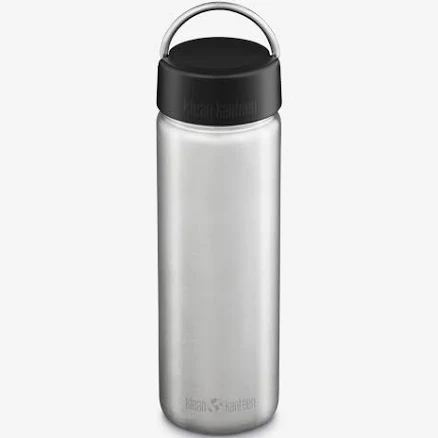
27oz Wide Water Bottle with Loop Cap
- 18/8 stainless steel, no interior coating
- The brand calls it PFAS-free, which we have not verified
- Cap or closure contamination
2 hazards checked on this product. See all of them.
Klean Kanteen
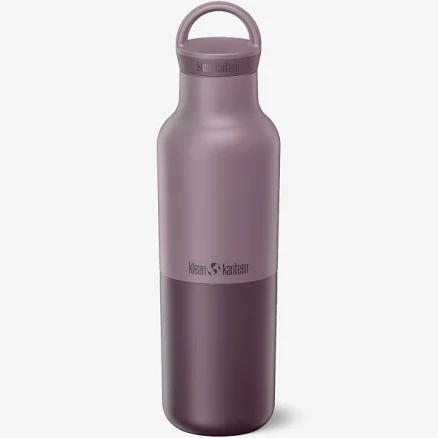
Rise Classic Insulated Water Bottle
- stainless steel body, foam insulation, stainless steel cap
- The brand calls it PFAS-free, which we have not verified
- Cap gasket and seal contamination
Klean Kanteen
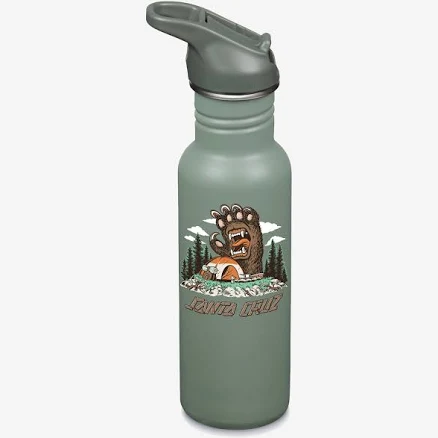
Classic Flip Seal Sport Cap
- Stainless steel bottle, plastic flip cap
- The brand calls it PFAS-free, which we have not verified
- Plastic cap degradation and microplastic shedding
3 hazards checked on this product. See all of them.
More portable water bottles grades
How we score, every product runs through the same public 0-100 rubric based on materials, coatings, brand disclosure, lab findings, and recalls. See the full methodology → Spotted a mistake? Report an error.