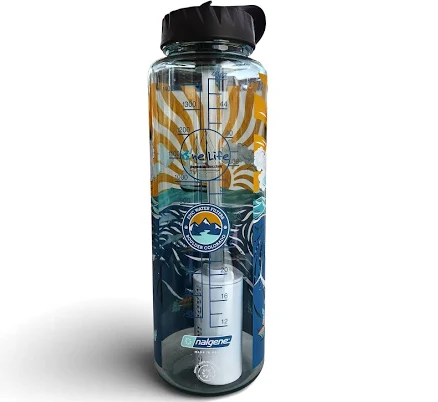
Nalgene · Portable Water Bottles
Nalgene Og Water Bottle W Filter Bpa 48oz Sailing One Life
Lower concern portable water bottle with copolyester plastic body and activated carbon filter.
The copolyester plastic body is not a material linked to PFAS. The activated carbon filter has no coating on record. The brand has no PFAS statement on record and no third-party certification.
We flunk more products than we pass. This one earned its grade. How we grade
Material
Copolyester plastic body, activated carbon filter
Brand disclosure
Brand is silent on PFAS
Lab data
No public lab test
What Nalgene Og Water Bottle W Filter Bpa 48oz is made of, ingredients and materials
The Nalgene OG body is copolyester plastic, a rigid engineering thermoplastic that does not contain BPA or BPS by design. Copolyester is chemically stable at room temperature and under typical drinking conditions, unlike polycarbonate. The integrated activated carbon filter uses granulated carbon to reduce chlorine taste and odor; carbon itself is inert and food-safe when properly contained. The main degradation risk is physical wear of the filter cartridge over time, which reduces efficacy rather than creating leachates.
What’s concerning
Category baseline
The starting point for this type of product, before anything specific to this product is counted.
No PFAS disclosure
No public statement from the brand about PFAS in this product.
Bacterial growth in filter housing
Activated carbon is a porous medium that can harbor bacteria if the bottle is left sealed with standing water or not cleaned regularly. This is a maintenance issue, not a manufacturing defect, and is typical across all carbon-filter bottles.
Copolyester leaching at temperature
Copolyester is more thermally stable than polycarbonate but can leach minor oligomers or processing residues if exposed to heat above 160 degrees Fahrenheit. Normal cold or room-temperature use carries negligible risk.
Filter cartridge housing degradation
Wear of the threaded or snap-fit filter housing is occasionally reported by long-term users, potentially compromising seal integrity and filter contact time. This reduces filter function rather than introducing contaminants but may allow bypass.
What’s reassuring
Base material not linked to PFAS
The main material recorded for this product is not one associated with PFAS.
Activated carbon dust ingestion
Loose carbon particles can shed from a new or damaged filter cartridge. Rinsing the filter compartment before first use and inspecting cartridge integrity minimizes this risk; no adverse events are documented for Nalgene bottles.
Heavy metals
Food-grade activated carbon is the expected feedstock, but manufacturing origin and quality standards are not disclosed. No contamination incidents are on record for Nalgene filter bottles.
Source, FDA ↗The full breakdown
The brand's record and disclosure
Nalgene explicitly markets this line as BPA-free and has maintained that position since the early 2000s shift away from polycarbonate. The company provides basic material information on packaging but does not publish third-party test reports or detailed chemical disclosures. No significant product safety recalls specific to leaching, bacterial contamination, or filter failure have been documented for current Nalgene filter bottles in public databases. Brand transparency on PFAS content in the plastic resin itself remains silent.
How it compares in its category
This bottle sits at the practical midpoint of the water-bottle-with-filter category. Built-in carbon filters are less maintenance-intensive than separate pitcher filters but less comprehensive than multi-stage systems. Copolyester construction is more durable and chemical-resistant than lower-grade plastic alternatives, though less inert than stainless steel. The 48 oz size is standard; integrated filters add marginal cost but avoid single-use filter cartridge waste.
If you buy it
Replace the carbon filter cartridge every 2-3 months or per manufacturer guidance, depending on tap water quality and usage frequency. Do not expose the bottle to prolonged heat above 160 degrees Fahrenheit, as copolyester can soften and reduce seal integrity. Rinse the filter housing before first use and after each cartridge swap to remove loose carbon dust. Store in a cool, dry place; do not leave standing water in the filter longer than a week to prevent microbial colonization of the carbon bed.
What we don’t know
- Basis
- Model estimate, 72% confidence, not a lab result
- Lab test
- None on record for this exact product
- Brand statement
- Nalgene has made none
Formulations change between production runs, so check the current label. How we grade.
Better-graded alternatives in Portable Water Bottles
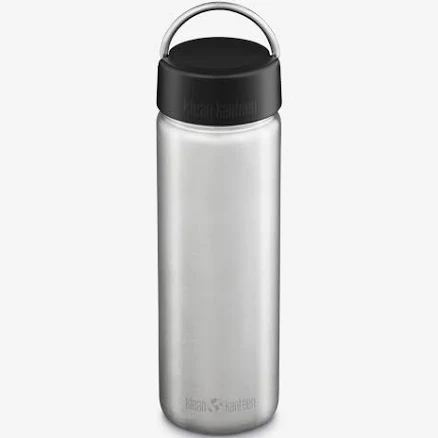
Klean Kanteen
27oz Wide Water Bottle with Loop Cap
- 18/8 stainless steel, no interior coating
- The brand calls it PFAS-free, which we have not verified
- Cap or closure contamination
2 hazards checked on this product. See all of them.
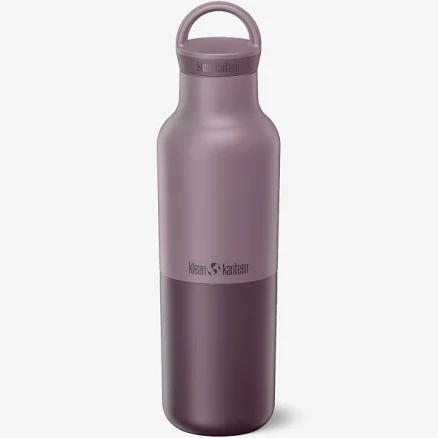
Klean Kanteen
Rise Classic Insulated Water Bottle
- stainless steel body, foam insulation, stainless steel cap
- The brand calls it PFAS-free, which we have not verified
- Cap gasket and seal contamination
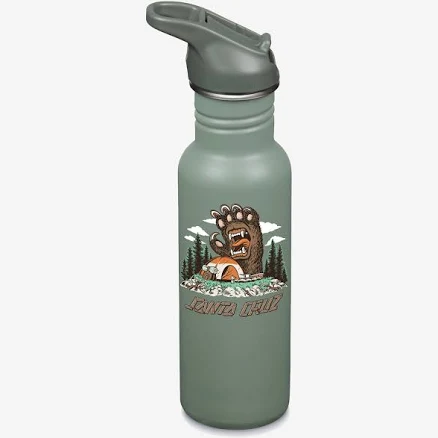
Klean Kanteen
Classic Flip Seal Sport Cap
- Stainless steel bottle, plastic flip cap
- The brand calls it PFAS-free, which we have not verified
- Plastic cap degradation and microplastic shedding
3 hazards checked on this product. See all of them.
More portable water bottles grades
How we score, every product runs through the same public 0-100 rubric based on materials, coatings, brand disclosure, lab findings, and recalls. See the full methodology → Spotted a mistake? Report an error.