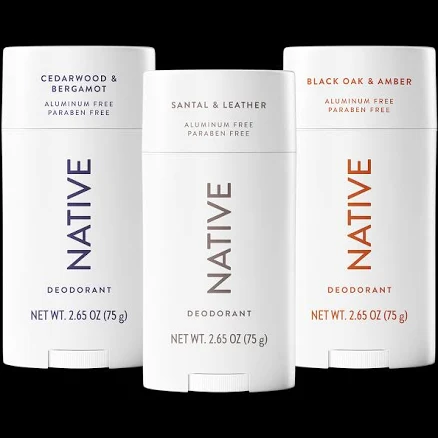
Deodorant Discovery 3-Pack Bundle
Lower concern; mineral sticks rarely need PFAS without public disclosure.
Mineral and plant-based actives lack intentional water-repellent or grease-resistant coatings driving PFAS use. Brand makes no PFAS claims or seeks verification.
We flunk more products than we pass. This one earned its grade. How we grade
Material
Mineral-based powder (talc-free formulation)
Brand disclosure
Brand is silent on PFAS
Lab data
No public lab test
You may also be interested in
Top-graded picks in the categories readers replace first, every one scored on the same rubric.

- polypropylene filter housing, carbon/sediment cartridge
- We found no PFAS statement from the brand
- Bacterial growth in spent cartridges
3 hazards checked on this product, all on its full breakdown.

Aquasure
Premier Series 75 GPD Under Sink Reverse Osmosis Water Filtration System
- RO membrane, carbon filters, stainless steel housing
- We found no PFAS statement from the brand
- Bacterial and microbial growth in housing and filters
4 hazards checked on this product, all on its full breakdown.

Avocado
Vegan Mattress
- organic cotton, natural latex, coconut coir, recycled steel coils
- The brand calls it PFAS-free, which we have not verified
- Heavy metals
2 hazards checked on this product, all on its full breakdown.
What Deodorant Discovery 3-Pack Bundle is made of, ingredients and materials
Native's mineral-based deodorant uses talc-free powder (typically arrowroot, mica, or clay) as the active ingredient rather than aluminum compounds or synthetic antimicrobials. This formulation avoids the respiratory and skin sensitization risks historically tied to talc-containing body powders. The absence of aluminum salts also sidesteps concerns about aluminum perchlorate or zirconium salt absorption, though efficacy trades off against traditional antiperspirants. Mineral powders are inert and generally well-tolerated, though mica can irritate if inhaled in large quantities (unlikely in normal deodorant use).
What’s concerning
Category baseline
The starting point for this type of product, before anything specific to this product is counted.
No PFAS disclosure
No public statement from the brand about PFAS in this product.
Fragrance allergens and undisclosed fragrance components
Native lists 'fragrance' or 'natural fragrance' on packaging without full ingredient transparency. While not inherently unsafe, fragrance is a leading contact allergen in deodorants; individuals with fragrance sensitivity or atopic dermatitis may react. The 3-pack bundle format increases exposure duration if irritation develops.
Bacterial or fungal contamination from improper storage or multi-use applicator
Mineral powders provide a dry, stable base but do not inherently inhibit microbial growth if the product is exposed to moisture or shared applicators. 3-pack bundles encourage household sharing; fingers or re-usable applicators can introduce bacteria. Risk is low with proper hygiene but higher than sealed single-use formats.
Preservative-related dermatitis (if added)
Native deodorants may contain preservatives (e.g., phenoxyethanol, methylisothiazolinone) not always prominently disclosed on packaging, to prevent microbial growth in the powder base. These have lower concern at low levels but can trigger contact dermatitis in <5% of users, especially with daily application to sensitive underarm skin.
What’s reassuring
Base material not linked to PFAS
The main material recorded for this product is not one associated with PFAS.
Mica inhalation risk (if loose powder formula)
If the product is a loose mineral powder (as opposed to a pressed stick), mica particles pose a theoretical inhalation hazard if applied by dusting rather than rubbing. No adverse events reported for Native deodorants specifically; normal application method (direct stick or minimal powder dispersion) minimizes this risk.
Heavy metals
Talc-free formulation eliminates the primary historic contamination vector (asbestos, talc deposits with asbestos). No publicly reported lead, cadmium, or other heavy metal findings in Native products. Third-party testing of mineral deodorants for heavy metals is not routine.
Source, FDA ↗How is this PFAS grade calculated?
The brand's record and disclosure
Native has marketed itself as a 'clean' personal care brand and does not use synthetic fragrances in some SKUs, but the company does not publicly disclose PFAS testing or commitments to avoid water-repellent coatings on packaging. No major safety recalls or disclosed contamination incidents are on record for Native deodorants. The brand is owned by Procter & Gamble (acquired 2017) but maintains independent marketing around ingredient transparency; however, full ingredient lists and sourcing details remain limited compared to niche competitors.
How it compares in its category
Mineral-based deodorants like Native sit in a middle ground, lower concern than traditional aluminum-based antiperspirants for those avoiding systemic aluminum exposure, but typically less effective at moisture control than prescription-strength formulas. Compared to synthetic deodorants (propylene glycol, cyclomethicone bases), mineral powders have lower volatile organic compound (VOC) off-gassing risk and no synthetic fragrance allergen load. They align with consumer preferences for 'natural' formulations but lack third-party certifications (USDA Organic, EWG Verified) that peer brands (Kopari, Schmidt's) carry.
If you buy it
Store in a cool, dry place away from high humidity to prevent clumping and bacterial growth in the powder. Inspect the stick or powder monthly for discoloration or mold, especially if stored in a bathroom; replace every 2-3 months or sooner if efficacy drops. Apply to clean, dry skin; excess moisture can promote bacterial growth on the product surface. Discontinue use if you develop rash or irritation; mineral powders are rare sensitizers but fragrance or preservatives in the formulation may trigger contact dermatitis in sensitive individuals.
What is not known about PFAS in this product?
- Basis
- Model estimate, 75% confidence, not a lab result
- Lab test
- None on record for this exact product
- Brand statement
- Native has made none
Formulations change between production runs, so check the current label. How we grade.
What are the PFAS-free alternatives to Deodorant Discovery 3-Pack Bundle?
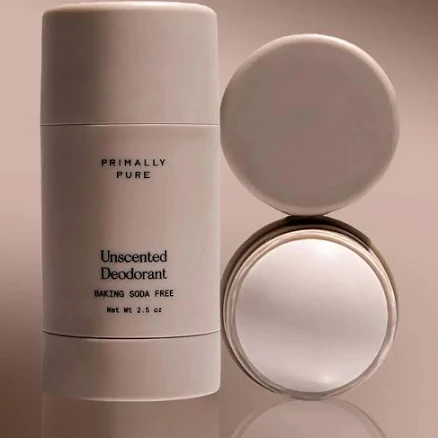
- mineral-based powder blend (arrowroot, magnesium hydroxide, mica)
- We found no PFAS statement from the brand
- Skin irritation from magnesium hydroxide alkalinity
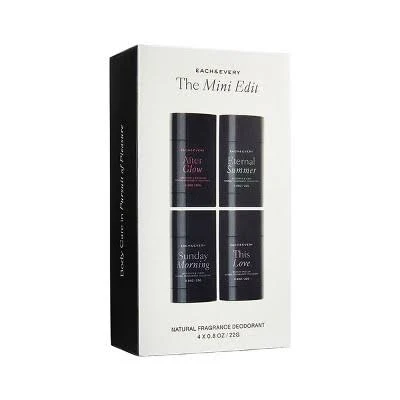
- cosmetic formulations, primary ingredients listed
- A third party reports verifying it as PFAS-free
- Fragrance allergens (natural essential oils)
2 hazards checked on this product, all on its full breakdown.
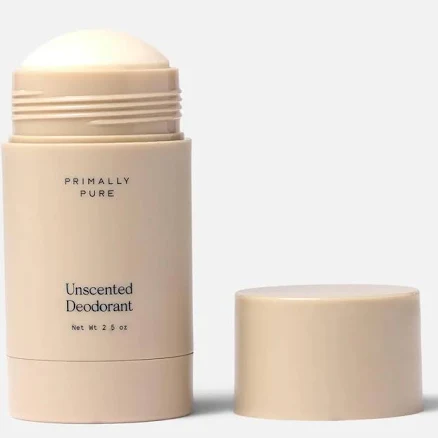
- natural mineral powders, plant-based actives, beeswax
- We found no PFAS statement from the brand
- Beeswax purity and contamination
2 hazards checked on this product, all on its full breakdown.
More deodorant grades
How we score, every product runs through the same public 0-100 rubric based on materials, coatings, brand disclosure, lab findings, and recalls. See the full methodology → Spotted a mistake? Report an error.