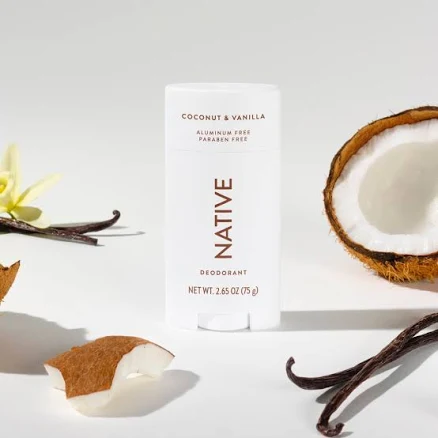
Native Deodorant
Lower PFAS concern; formula unlikely to need PFAS without brand transparency.
Mineral powder, coconut oil, and beeswax base contains no water-repellent or nonstick coating requiring PFAS. Brand makes no PFAS claims or offers testing.
We flunk more products than we pass. This one earned its grade. How we grade
Material
mineral-based powder, coconut oil, beeswax
Brand disclosure
Brand is silent on PFAS
Lab data
No public lab test
You may also be interested in
Top-graded picks in the categories readers replace first, every one scored on the same rubric.

- polypropylene filter housing, carbon/sediment cartridge
- We found no PFAS statement from the brand
- Bacterial growth in spent cartridges
3 hazards checked on this product, all on its full breakdown.

Aquasure
Premier Series 75 GPD Under Sink Reverse Osmosis Water Filtration System
- RO membrane, carbon filters, stainless steel housing
- We found no PFAS statement from the brand
- Bacterial and microbial growth in housing and filters
4 hazards checked on this product, all on its full breakdown.

Avocado
Vegan Mattress
- organic cotton, natural latex, coconut coir, recycled steel coils
- The brand calls it PFAS-free, which we have not verified
- Heavy metals
2 hazards checked on this product, all on its full breakdown.
What Native Deodorant is made of, ingredients and materials
Native Deodorant uses a mineral powder base (typically talc-free as of recent formulations, or rice starch/arrowroot) mixed with coconut oil and beeswax. This dry-powder-and-oil matrix is inherently low-risk because it contains no synthetic antimicrobials, volatile solvents, or spray propellants. The coconut oil provides mild antibacterial action through naturally occurring lauric acid; beeswax acts as a binder and moisture barrier. This chemistry avoids the need for problematic preservatives or chemical odor-masking agents common in conventional deodorants.
What’s concerning
Category baseline
The starting point for this type of product, before anything specific to this product is counted.
No PFAS disclosure
No public statement from the brand about PFAS in this product.
Fragrance allergens and sensitizers
Native uses essential oils and fragrance compounds that can trigger contact dermatitis or allergic reactions in sensitive skin, particularly lavender and tea tree oil variants. This is inherent to fragrance use, not unique to Native, but remains a consideration for individuals with fragrance sensitivity.
Coconut oil oxidation and rancidity
Coconut oil in stick format can oxidize over time, especially in warm storage, potentially producing peroxide compounds that irritate skin or cause unpleasant odor. Proper storage and timely replacement mitigate this risk.
Contact dermatitis from beeswax
Beeswax is a natural occlusive and can trap moisture on skin, leading to irritation or folliculitis in some users, particularly in warm climates or if applied to damp skin. Incidence is low but more common in individuals with sensitive or acne-prone skin.
What’s reassuring
Base material not linked to PFAS
The main material recorded for this product is not one associated with PFAS.
Talc contamination (if talc-based formulation used)
Native has marketed talc-free versions prominently; current widely available formulations use rice starch or arrowroot instead. No talc-related recalls or contamination reports identified for Native products.
Heavy metals
No heavy metal contamination (lead, cadmium, arsenic) has been reported in Native deodorant testing or recalls. Mineral powders used in cosmetic-grade deodorants are generally well-regulated; Native's transparency on sourcing is limited but no evidence of contamination exists.
Source, FDA ↗How is this PFAS grade calculated?
The brand's record and disclosure
Native has marketed itself as a clean-ingredient brand and publishes ingredient lists openly on product packaging and websites. The brand has not faced major recalls or safety controversies on record. However, Native does not publicly disclose PFAS testing data or explicitly confirm PFAS-free status, despite industry pressure on water-repellent coatings in some stick formats. Certifications include cruelty-free claims but lack third-party safety certifications (e.g., EWG Verified) that would strengthen trust in non-PFAS and contaminant absence.
How it compares in its category
Native sits in the mid-market clean-deodorant segment alongside Schmidt's, Primal Pit Paste, and Routine. Unlike aluminum-based antiperspirants (which prevent sweating via aluminum chlorohydrate) or aerosol sprays (which carry inhalation and propellant risks), Native's stick format minimizes systemic absorption and airborne exposure. Compared to fragrance-heavy conventional brands, Native typically uses essential oils or minimal synthetic fragrance, reducing allergenic load. It trades antiperspirant efficacy (it does not stop sweat) for tolerability and ingredient simplicity.
If you buy it
Store Native in a cool, dry place to prevent oil separation or rancidity from heat. Coconut oil degrades over time if exposed to direct sunlight or high temperature; replace if the product develops off-odors or separates visibly. Apply sparingly to clean, dry underarms to avoid buildup and irritation. If skin sensitivity develops, discontinue and patch-test a small amount on inner arm first, as beeswax or coconut oil can trigger contact dermatitis in sensitive individuals.
What is not known about PFAS in this product?
- Basis
- Model estimate, 72% confidence, not a lab result
- Lab test
- None on record for this exact product
- Brand statement
- Native has made none
Formulations change between production runs, so check the current label. How we grade.
What are the PFAS-free alternatives to Native Deodorant?
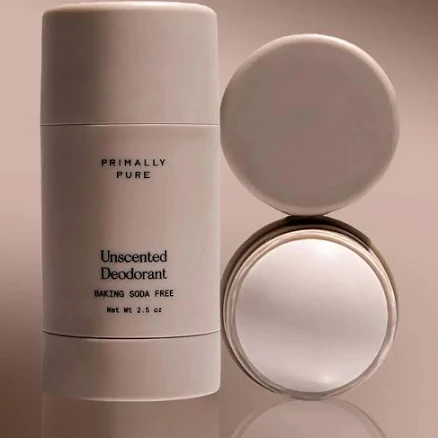
- mineral-based powder blend (arrowroot, magnesium hydroxide, mica)
- We found no PFAS statement from the brand
- Skin irritation from magnesium hydroxide alkalinity
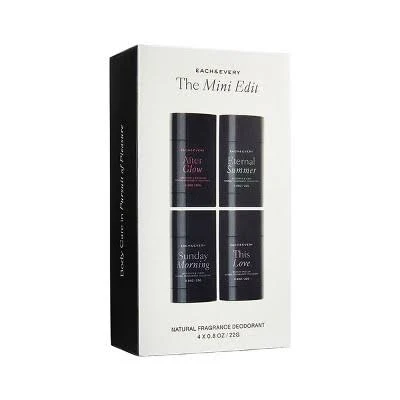
- cosmetic formulations, primary ingredients listed
- A third party reports verifying it as PFAS-free
- Fragrance allergens (natural essential oils)
2 hazards checked on this product, all on its full breakdown.
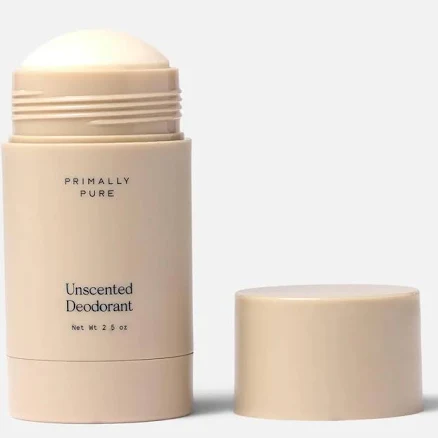
- natural mineral powders, plant-based actives, beeswax
- We found no PFAS statement from the brand
- Beeswax purity and contamination
2 hazards checked on this product, all on its full breakdown.
More deodorant grades
How we score, every product runs through the same public 0-100 rubric based on materials, coatings, brand disclosure, lab findings, and recalls. See the full methodology → Spotted a mistake? Report an error.